-

-


Follow Us
-

 On Facebook
 On Flipboard


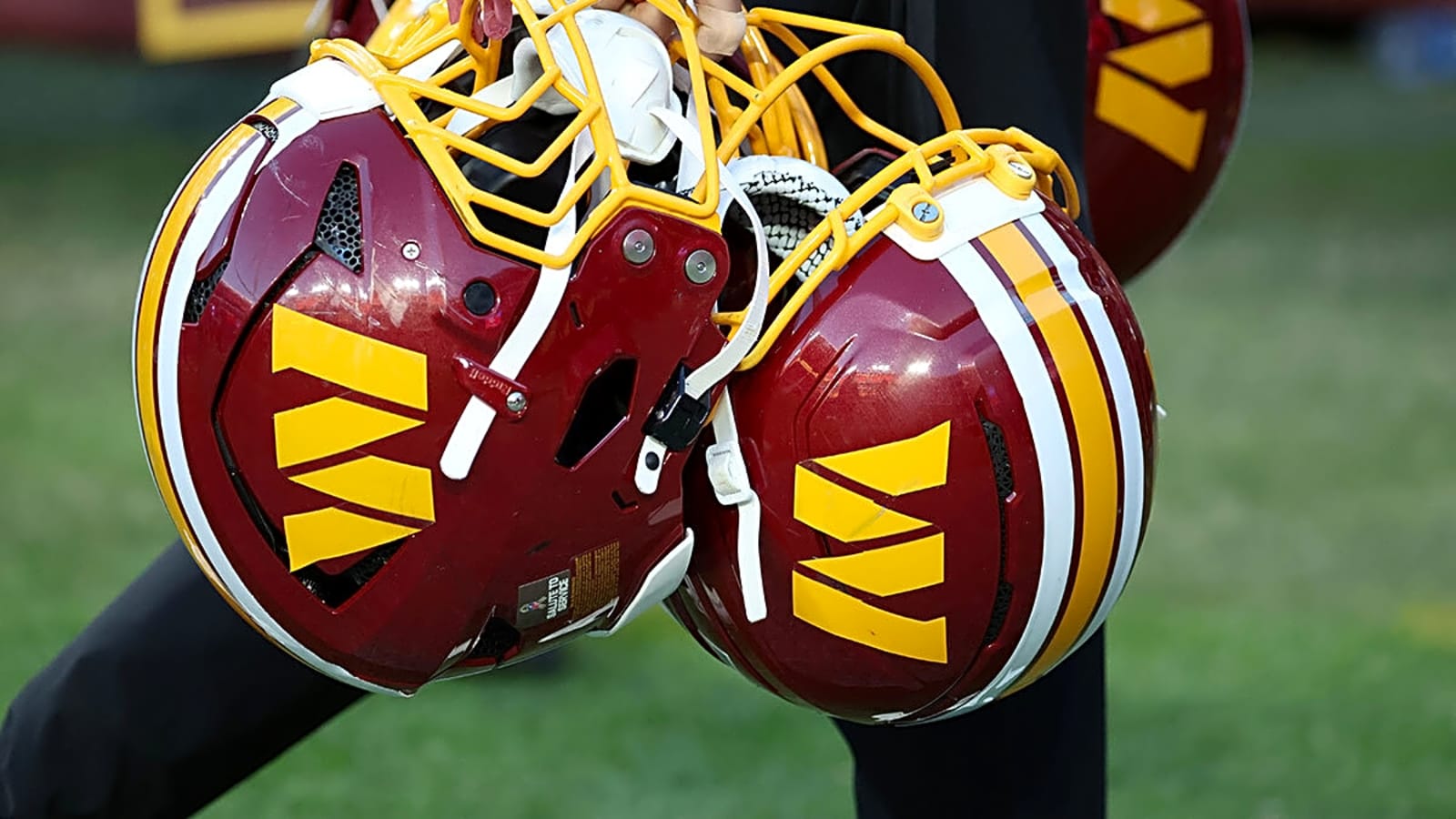
The Washington Commanders’ biggest mistake at the NFL trade deadline was standing completely pat. General manager Adam Peters made zero trades Tuesday, leaving a depleted roster unchanged and collecting no additional draft capital for a team whose circumstances pointed toward selling.
At 2-5-1, the Commanders needed to turn their disappointing position into an opportunity to improve their future. Instead, they preserved their existing personnel without resolving the weaknesses that had undermined their season.
Avoiding an expensive acquisition was sensible for the Commanders. Finishing without a single transaction was harder to defend. Washington had needs across its roster, several veterans approaching free agency and little justification for spending picks to chase an unlikely turnaround. Selective selling offered the clearest direction.
Injuries and standings pointed the Commanders toward selling
The injuries made that choice more compelling. Terry McLaurin’s season-ending torn patellar tendon removed a cornerstone of the passing game. Dyami Brown was on injured reserve, while defensive tackles Daron Payne and Javon Kinlaw were sidelined. Significant salary-cap resources remained committed to unavailable players.
Those absences compounded needs at receiver, running back and defensive tackle. One addition would not have repaired every weakness. Spending future assets to address only part of the problem would have left the Commanders carrying the cost without solving their broader predicament.
Payne’s broken foot also disrupted the possibility of selling. His injury ended ongoing trade discussions, removing one potential source of draft compensation.
That setback explains part of the result. It does not turn complete inactivity into a successful deadline.
The Commanders remain third in the NFC East, behind the division-leading New York Giants at 5-2-1. Thursday night’s rematch presents a chance to close the gap, but even a victory would leave substantial work ahead.
Peters had said the Rams game would not determine the organization’s approach. He also maintained that the value had to be right, whether the Commanders were buying or selling.
That standard deserved discipline. It also required weighing the value of keeping players against the opportunity to acquire assets. Preserving the roster was itself a decision, with consequences extending beyond Thursday.
Expiring contracts created opportunities to add draft capital
Edge rushers K’Lavon Chaisson and Dorance Armstrong, along with cornerback Rasul Douglas, represented potential opportunities to collect draft capital. All were approaching free agency. Chaisson had been productive early in the season on a one-year deal.
Keeping them protected immediate depth. It also left Washington exposed to losing contributors after the season without receiving anything through a trade.
Even Day 3 selections would have created additional opportunities to develop inexpensive players. Those picks would not guarantee improvement, but a struggling team benefits from having more options.
The value of selling also extends beyond the number of selections collected. Additional picks give a front office more choices when addressing several weaknesses. For a roster needing help at multiple positions, that flexibility matters more than preserving every component of a disappointing season.
An expiring contract does not justify accepting any offer. Productive veterans still help their current teams. The Commanders completed no trades. That outcome does not establish that Peters rejected a worthwhile offer, but it leaves the organization without additional draft capital.
The criticism rests on the final result. A team positioned to prioritize its future emerged with no additional resources and every pending decision still ahead.
Keeping those veterans also preserves the possibility of retaining them after the season. However, that possibility does not erase the deadline’s opportunity cost. The Commanders chose their remaining contributions over whatever draft return negotiations might have produced.
Standing pat left Washington’s future needs unresolved
Other NFL teams picked a direction. Kirk Cousins moved to the Minnesota Vikings, Josh Downs joined the Kansas City Chiefs, and Jordan Davis became part of the Jacksonville Jaguars’ defensive additions.
The Commanders did not need to match those moves. They needed a transaction suited to their own position. Selling selectively offered a route to future improvement without spending more resources on an injured roster.
Payne’s injury narrowed that route. It did not change Washington’s record, restore its missing players or remove the uncertainty surrounding its pending free agents.
The Commanders’ disappointing season made future flexibility more valuable than preserving every veteran’s remaining snaps. Peters kept depth, but added no draft capital to address the roster’s weaknesses. If those pending free agents leave this offseason, Washington will have passed its last opportunity to secure a trade return for them.
More must-reads:
- 4 winners and 5 losers of the NFL trade deadline: Vikings land their QB, Chargers stand pat, Bengals blunder, more
- Trading for Kirk Cousins may not have been Vikings' first choice for new QB
- The '150-Rec.-Yard NFL teammates' quiz
Breaking News
Trending News



Customize Your Newsletter
 +



Get the latest news and rumors, customized to your favorite sports and teams. Emailed daily. Always free!
PRIVACY POLICY COOKIE POLICY CONTACT US
ABOUT YARDBARKER TERMS OF SERVICE


By using this site, you agree to our Terms of Service and Privacy Policy.
This site is for entertainment purposes only.
There is no gambling offered on this site.
Gambling Problem? Call 1-800-Gambler.