
-

-


Follow Us
-

 On Facebook
 On Flipboard
 On Twitter
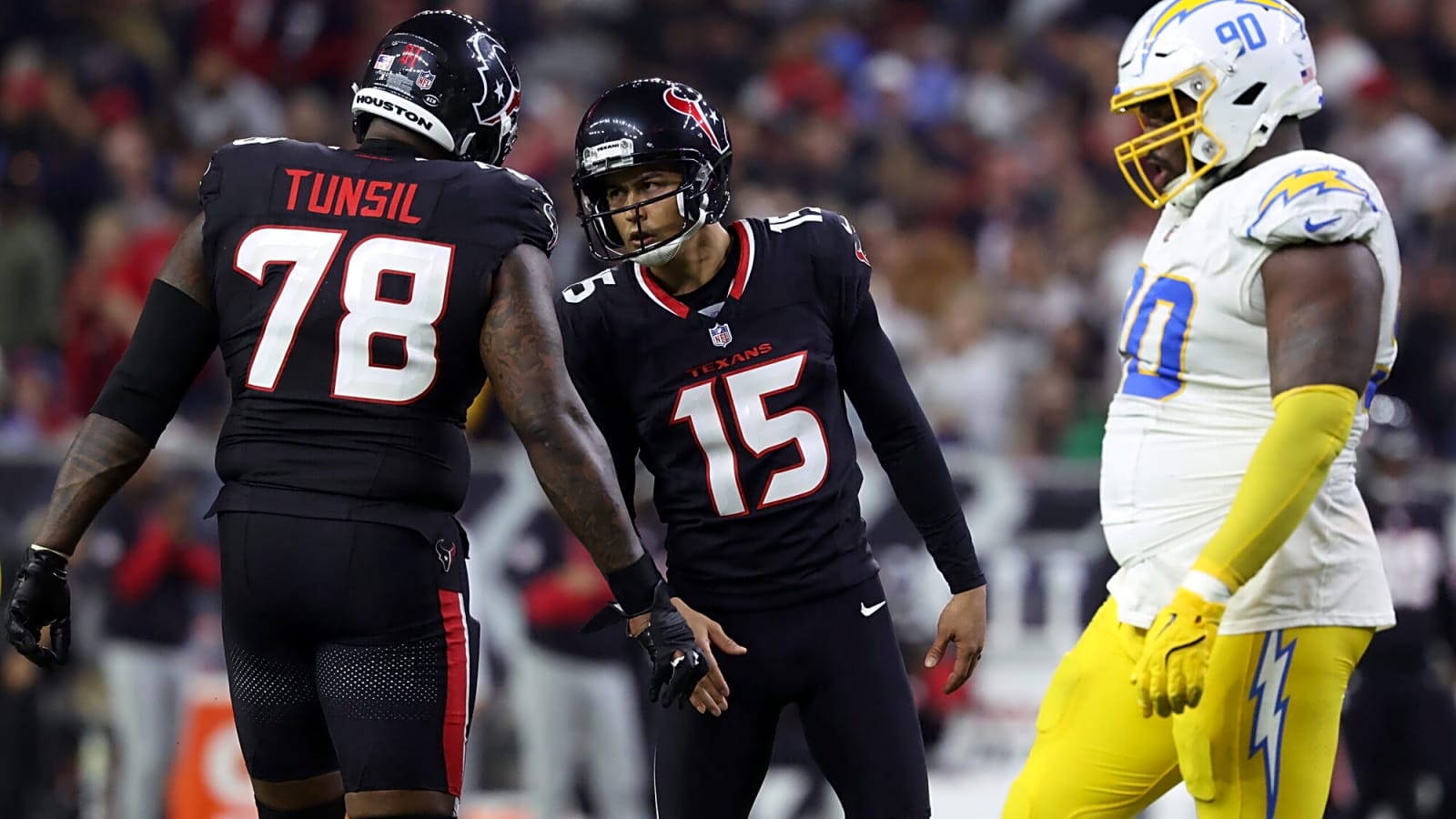
Washington rolled out the press release like a championship banner. The Commanders acquired Laremy Tunsil from Houston, and within hours, the word “record” was everywhere. Social media lit up. Fan accounts celebrated. The front office framed it as a franchise-altering commitment to protecting the quarterback. Confetti energy, basically. But buried underneath the hype was a detail worth noting: both teams confirmed the trade, yet neither team’s official channels included the contract terms that supposedly made it historic. Those numbers came from Tunsil’s business manager, reported by ESPN and NFL Network, not from the Commanders themselves.
The Price Tag
The trade cost future draft picks, per ESPN and NFL.com. That part is real, documented, and irreversible. Once those selections leave the building, no restructure brings them back. Washington bet its rookie pipeline on one player at one position. For a franchise trying to build around a young quarterback, that signals something louder than any press release: protection-first, consequences-later. The picks are the one receipt the team itself put on record. The contract terms, meanwhile, arrived through a different door.
The Numbers Behind the Label

According to ESPN’s Adam Schefter and NFL Network’s Cameron Wolfe, Tunsil’s extension is a two-year deal worth $60.2 million, with $61.5 million fully guaranteed and a $32.5 million signing bonus—making him the first offensive lineman to average $30 million per year. Those figures were sourced from Tunsil’s business manager, Laolu Sanni. The terms are credible and widely corroborated. What is notable is the sourcing path: the numbers reached the public through the player’s camp and reporters, not through a Commanders press release or official contract disclosure.
Marketing vs. Math
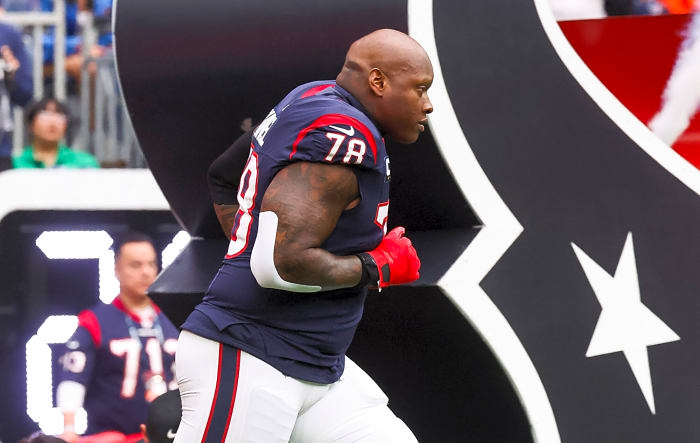
The word “record” means different things depending on the metric. Record average annual value? Record guarantees? Or, record total value? Those are three wildly different commitments with three wildly different cap consequences. In this case, the “record” label applies to average annual value at the position—$30.1 million per year—and to the signing bonus, $32.5 million, the largest ever for an offensive lineman. Washington spent real draft capital up front. The financial commitment behind it is now public, even if the team let someone else announce it.
The Shadow Ledger
Even with reporter-sourced numbers available, fans and analysts still rely on Spotrac and OverTheCap for the full structural picture—year-by-year cap hits, proration schedules, and guarantee timelines that raw totals do not capture. These databases remain the public’s best window into how a deal actually affects a roster. Think about that: a billion-dollar league, and the structural truth of a “record” commitment filters through third-party spreadsheets and agent-sourced reporting rather than the team that wrote the check.
Cap Gravity

NFL salary-cap compliance depends on contract structure, not headline totals. Signing bonus proration, guarantee levels, and year-by-year cap hits determine whether a deal is sustainable or a ticking bomb. A two-year, $60.2 million extension with $61.5 million guaranteed concentrates significant cap weight into a short window. Like buying a house with a teaser-rate mortgage: year one feels fine, but later payments jump. The Commanders cannot escape cap gravity just because the press release sounded good.
The Ripple

Losing draft picks reduces the low-cost rookie pipeline, which increases cap pressure across the entire roster. Mid-tier veterans get squeezed when the money is tight. More cap allocated to left tackle means less for depth and defense. A left tackle hitting $30.1 million per year can also reset negotiation anchors league-wide, giving every agent ammunition. One franchise’s splash move reprises the position for thirty-one other front offices. Washington’s celebration becomes everybody else’s leverage.
The New Playbook

This is not an exception. It may be the new rule. Teams spend picks first, then extend to lock in cornerstone protection after the trade capital is already gone. The player gains security. The team gains commitment. And the public relies on reporters and player representatives for financial details, because teams rarely volunteer them. Once you see the pattern, every future “record deal” announcement where the team stays silent on terms looks less like news and more like a press strategy.
The Risk Ahead
If performance dips or injury hits, restructures push money forward and compound the problem. Opponents will attack interior pressure if edge protection stabilizes behind elite left tackle play. The Commanders solved one gap and potentially created several others. Premium left tackles command top-of-market contracts for a reason, but that reason only holds if the player stays healthy and the cap math around him does not strangle the roster. The window is open. The margin for error is gone.
Follow the Math
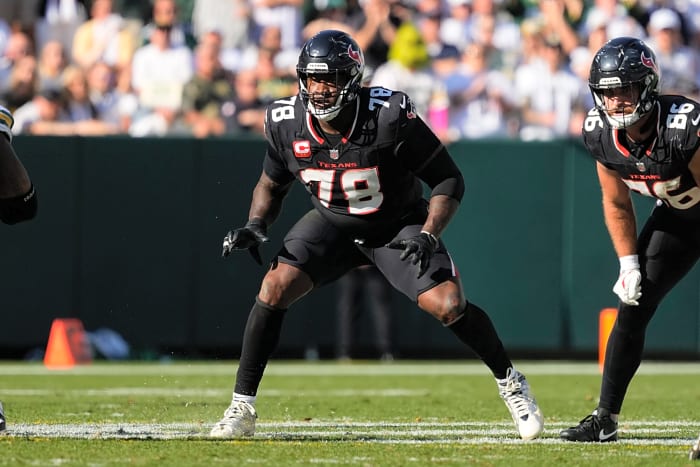
The trade is public. The contract terms are now public too, thanks to reporting from ESPN and NFL Network. What remains less visible is the full structural breakdown—how the guarantees are timed, how the cap hits land year by year, and how the deal interacts with the rest of the roster. “Record” is a label. The math behind it is what determines whether this move pays off. Washington made its bet. The receipts are arriving. Now the question is whether the cap math adds up.
Sources:
ESPN, Commanders re-sign Tunsil to new deal avoiding potential showdown, March 8 2026
NFL Network, Commanders signing LT Laremy Tunsil to two-year $60.2 million extension, March 9 2026
Washington Commanders (Official), Commanders acquire T Laremy Tunsil, March 14 2025
CBS Sports, Commanders make Laremy Tunsil NFL’s first $30 million offensive lineman, March 8 2026
Spotrac, Laremy Tunsil NFL Contracts and Salaries, Updated ongoing
OverTheCap, Referenced for cap structure and proration data, Updated ongoing
More must-reads:
- Insider shares notable update on Shedeur Sanders' status with Browns
- Travon Walker's contract extension could be long-term steal for Jaguars
- The 'Rushing-TD leaders by NFL team' quiz
Breaking News
Trending News






Customize Your Newsletter
 +
+




Get the latest news and rumors, customized to your favorite sports and teams. Emailed daily. Always free!
PRIVACY POLICY COOKIE POLICY CONTACT US
ABOUT YARDBARKER TERMS OF SERVICE


By using this site, you agree to our Terms of Service and Privacy Policy.
This site is for entertainment purposes only.
There is no gambling offered on this site.
Gambling Problem? Call 1-800-Gambler.
