
-

-


Follow Us
-

 On Facebook
 On Flipboard
During the pre-draft process, we hear all kinds of buzz, rumors, and chatter about which teams are showing interest in which prospects. The same holds true for the Denver Broncos, even though they traded away two top-100 picks for wide receiver Jaylen Waddle.
There are still rumors and connections being made, and the insatiable NFL news cycle always helps generate more. When it comes to Broncos buzz and rumors, a few myths get circulated every year that are worth analyzing.
Getting into these myths, I will explain why they get pushed each and every offseason, and whether there's a kernel of truth to any of them. So, let’s bust some perennial Broncos draft myths.
Myth 1: Visits/Meetings Don't Always Signal Actual Interest
This is a favorite of mine, and it's understandable. It falls into the category of being worth talking about, and depending on where a team is picking, the visits can sometimes mean something.
Early first-round picks? It's a recruiting visit to show the players around and introduce them if you select them. After the top 10-15 picks? Well, that's another story.
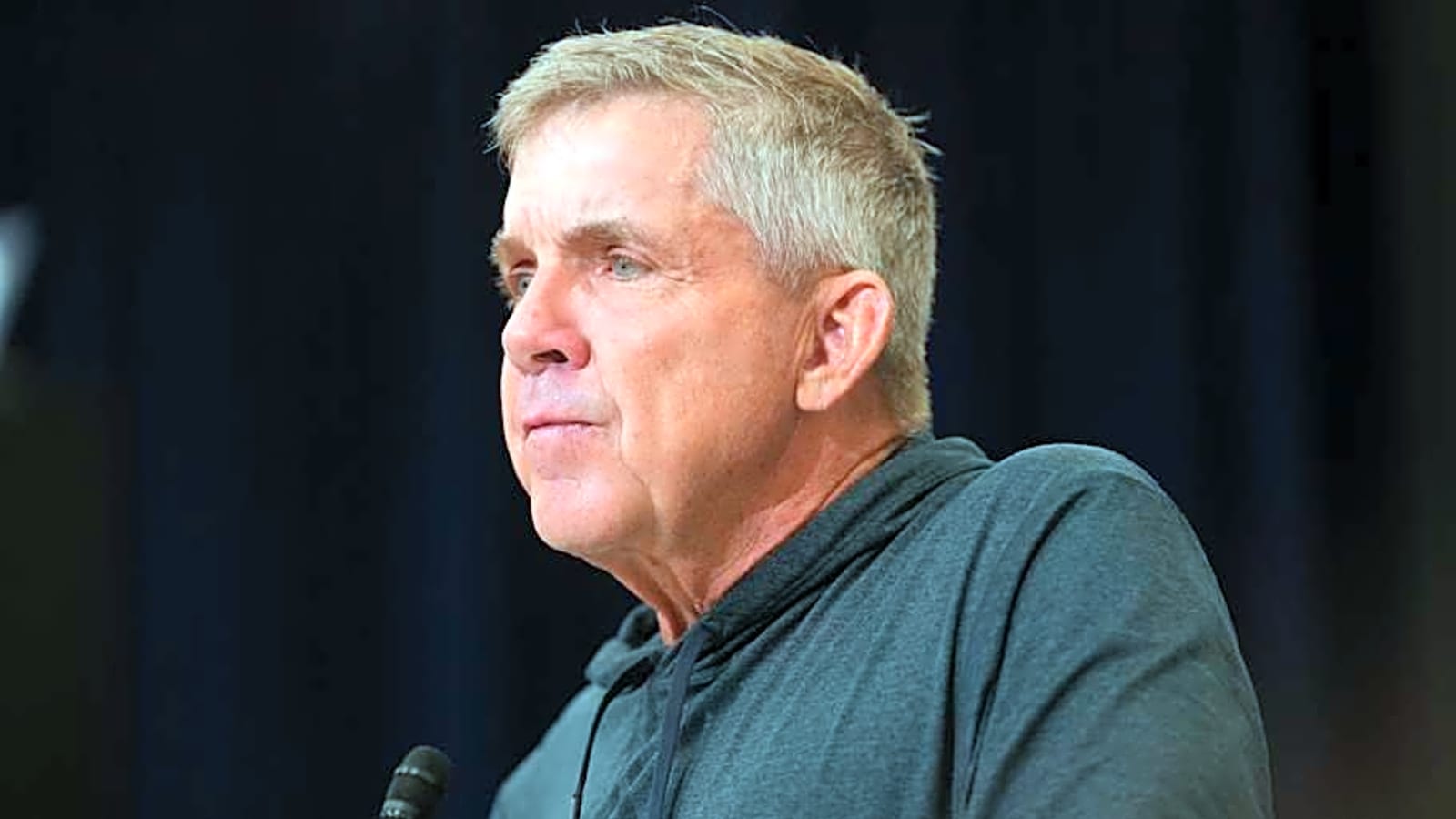
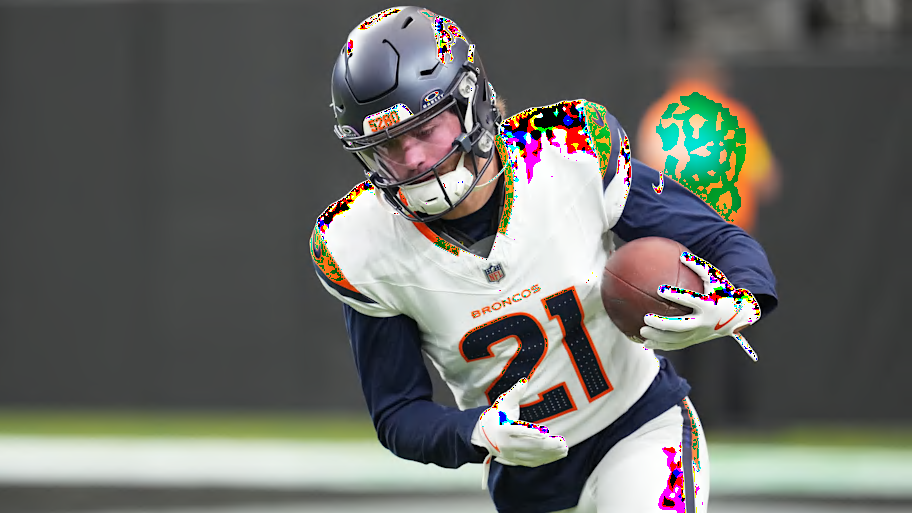
Looking specifically at Sean Payton's head-coaching career, only 8% of the players he's brought in for a visit were drafted by his team. In Denver, he has drafted two players brought in for a visit: cornerback Riley Moss and tight end Caleb Lohner.
Under GM George Paton, Nik Bonitto is the only player who can be added to that group. The Broncos have signed five college free agents they visited with pre-draft since Payton arrived in 2023, with a total of seven signed under Paton (arrived in 2021).
For the most part, the Broncos have used visits to address final questions about prospects, often medical or character-related. There is also a variable here: they may have been interested in a certain spot, but the player didn’t make it there.
However, former coaches and general managers have spoken on visits, chalking it up as a step to answer any final questions they may have.
Some teams have even used these visits to question players about teammates they had who the team is actually interested in. So, while there could be interest in a visiting player, it rarely signals actual we've-got-to-have-him interest.
Myth 2: Teams Must Budget Tons of Cap Space For the Draft Class
This one is from a simple misunderstanding of how the offseason cap system works. In the offseason, only the top 51 contracts count against the cap.
So, when a team signs a player, and they're in the top 51 contracts, it pushes another contract off the books. Also, not every draft pick will count in the top 51 contracts before the season starts.
As things stand at the time of writing, wide receiver Michael Bandy is the 51st player with a 2026 contract of $1,085,000, so any contract with a cap hit under that won’t count toward the cap during the offseason. For the Broncos' 2026 draft picks, that means their fifth and three seventh-round selections won’t end up counting in the top 51.
Only Denver's second and two fourth-rounders' contracts will have a projected cap hit that puts them in the top 51, but remember, they'll knock three other players off the list of offseason cap liabilities.
The second-round contract would push Bandy off the top 51, so his contract won’t count against the cap for the offseason. The fourth-round contracts will push the next two contracts off the cap, each at $1,145,000.
In all, Denver's rookie contracts that would rank in the top 51 would count for $3,843,972 against the cap, while pushing $3,375,000 worth of contracts off the cap.
That means only about $500,000 in cap space would currently be needed, though adding picks and trades could change that number. Also, since draft picks typically sign their deals in May and June, teams don’t have to allocate the cap space for it immediately, and in Denver’s case, linebacker Dre Greenlaw’s post-June 1st cut would give them more than enough space to get the draft class signed, as his contract will sit on the books until that date.
Myth 3: Teams Only Meet With a Small Number of Prospects
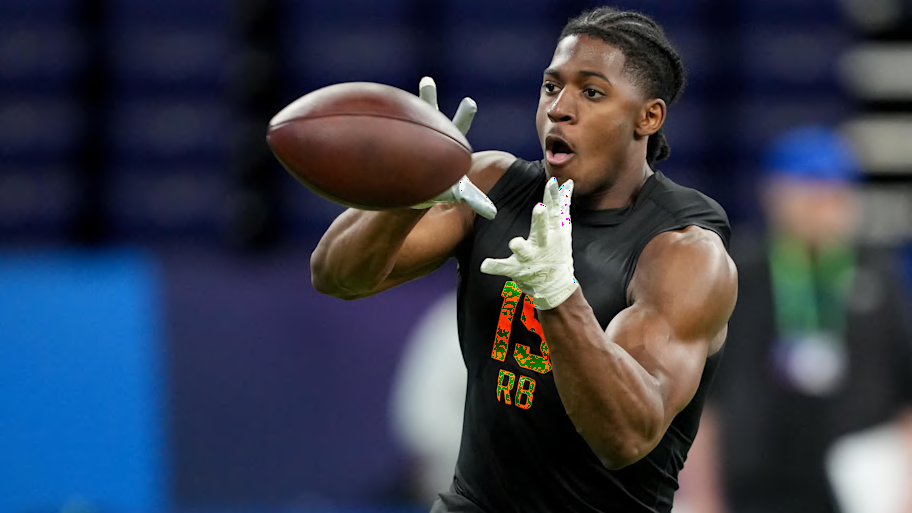
Every year, I see this: out of the nearly 2,000 prospects, teams only meet with a hundred or so, and that simply isn’t the case. Teams are limited in formal Combine meetings and top-30 visits, but they will also conduct ‘informal’ interviews in Indianapolis, where they pull players aside and talk to them.
At the Senior Bowl, teams will meet with every prospect, literally. The same goes for the Shrine Bowl, Hula Bowl, American Bowl, and HBCU Legacy Bowl. There are over 100 players at each of those, and teams will speak to each one.
Myth 4: Team Big Boards Reflect Public Big Boards
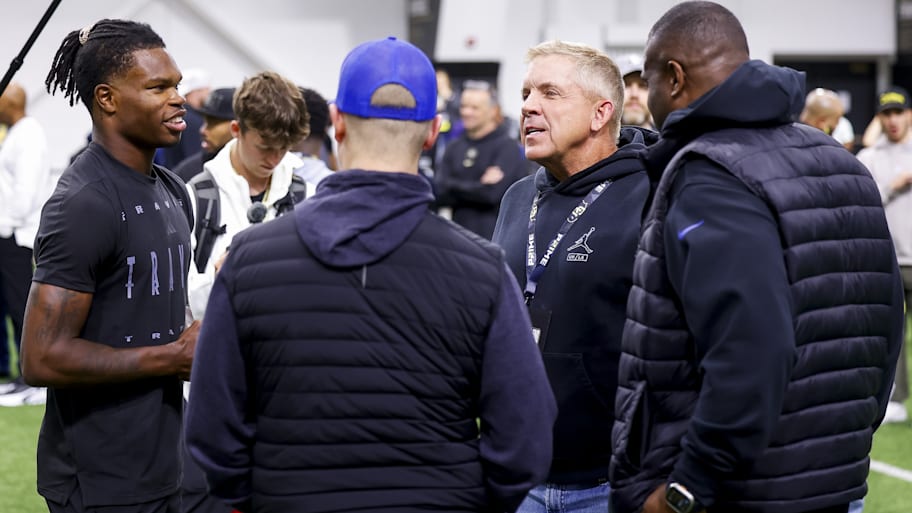
First off, team boards are not the same as public media boards. A reach based on a public big board isn't one to a team.
Teams will take players where their grade has them. They aren’t selecting a player in the third round who the team had a fifth-round grade on. Now, that doesn't mean that all teams' boards are equal, as beauty remains in the eye of the beholder, but you get the drift.
On top of that, teams don’t have endless big boards, though their sizes can vary. Some keep it around 75 players, while others could push to 150, including players they consider signing as priority free agents after the draft.
Medicals, character, scheme fit, roster fit, and so much more go into forming and prioritizing team boards, which eliminate well over 1,000 players for one reason or another.
More must-reads:
- Sam Darnold suffers injury, limps off field after Seahawks' first drive
- Tyreek Hill's agent provides big injury update ahead of Week 1
- The 'NFL's active passing-leaders' quiz
Breaking News
Trending News




Customize Your Newsletter
 +
+




Get the latest news and rumors, customized to your favorite sports and teams. Emailed daily. Always free!
PRIVACY POLICY COOKIE POLICY CONTACT US
ABOUT YARDBARKER TERMS OF SERVICE


By using this site, you agree to our Terms of Service and Privacy Policy.
This site is for entertainment purposes only.
There is no gambling offered on this site.
Gambling Problem? Call 1-800-Gambler.
