-

-


Follow Us
-

 On Facebook
 On Flipboard


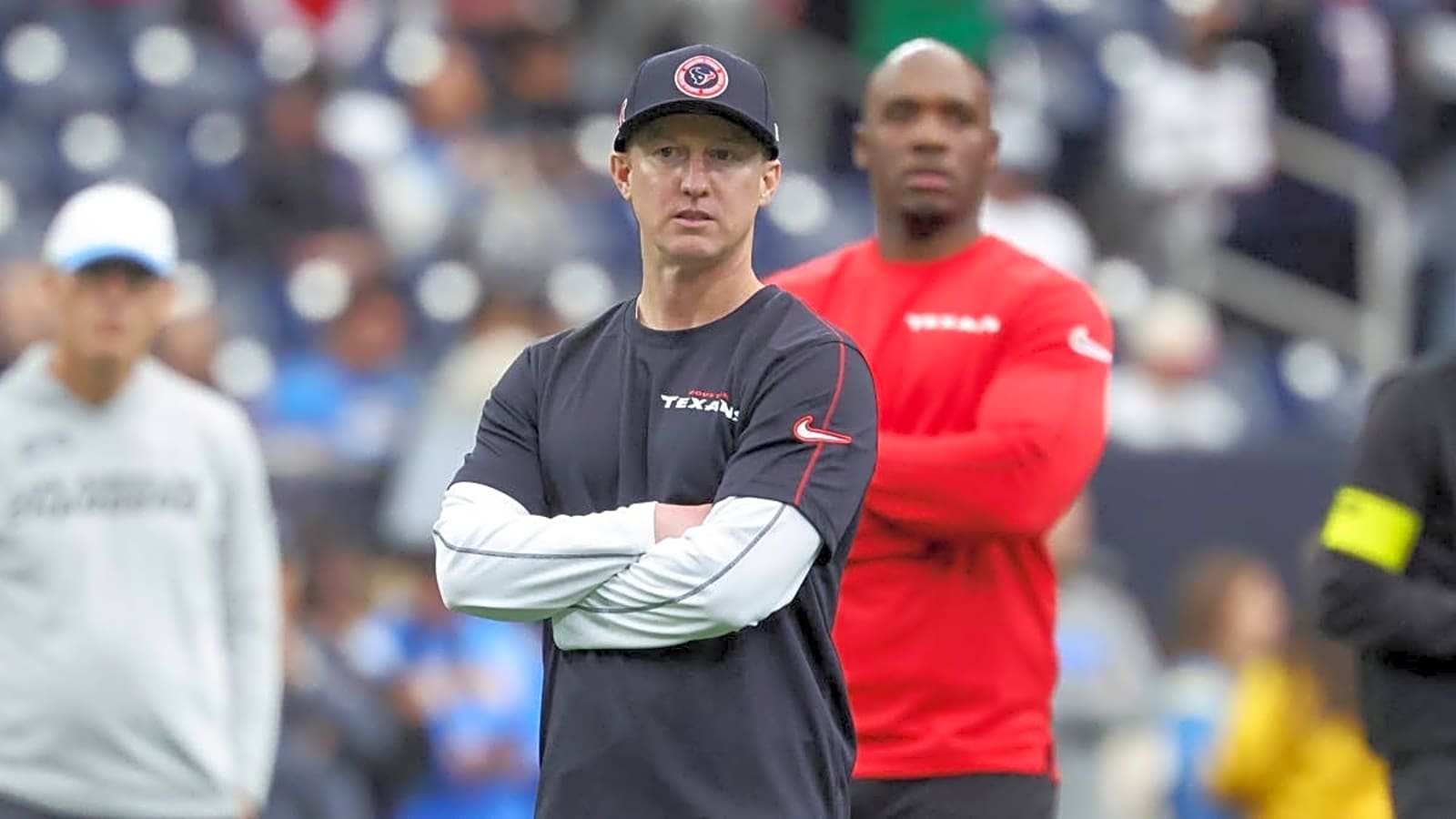
With the cadre of new coaches roaming the sidelines and facilities at Hard Rock Stadium, the Miami Dolphins’ offense has been entrusted to Offensive Coordinator Bobby Slowik. He’s been seeking consistency in bringing the San Francisco 49er offense to South Beach.
Bobby Slowik’s prescription for restoring the Miami Dolphins’ running game starts with execution. But ahead of the Detroit Lions matchup, the offensive coordinator also wants something less technical: the conviction and aggression he believed were missing against New England.
“I didn’t think in the run game we quite played with the conviction and like the aggression that we had in weeks before,” Slowik said.
New England varied its defensive looks, forcing Miami to adjust throughout the game. Slowik said the Dolphins ran better in the fourth quarter, but the performance still fell below their previous standard.
“They did a good job combined with us maybe not necessarily playing as well as we had up to this point last week,” he said.
Practice Makes Perfect, Or at Least Progress
The response in practice has addressed both design and demeanor. Slowik wants calls that position players to succeed, accompanied by a return to the physical approach he expects.
“What do we got to do to get this attitude, this mentality back?” he said.
Through two practice days, he said, the players had embraced that message.
“We’re pleased with where we’re at.”
Detroit presents a demanding opportunity to measure that progress. Slowik said the Lions’ recent defensive film shows a group that has tightened its approach after uneven early performances.
“They’ve gone out and they’ve played the last three weeks at a really high level,” he said.
The Offensive Line is Key for Success
The strength begins up front. Slowik pointed to Aiden Hutchinson and Detroit’s interior defenders, emphasizing that Miami cannot build its protection plan around only one threat.
“I think it’d probably be easier for us if it wasn’t just Aiden,” he said.
Helping the offensive tackles will require more than occasional contact from an extra blocker. Slowik discussed protection slides, quick throws, screens and runs as ways to influence the rush and vary what defenders must handle.
“Somehow someway our tackles feel like they’re not on islands,” he said.
One-on-one blocks will still be unavoidable. The goal is to avoid making them the offense’s only answer.
“Can we get rid of the ball fast? Can we have some screens that offset it? Can we do some runs that offset it?” Slowik said.
He also cautioned against interpreting Detroit’s pass-defense statistics without considering game circumstances. His film review did not match the vulnerabilities he initially expected from the numbers.
“A lot of that has shored up,” he said.
Miami’s own physical presence was affected by Kadyn Proctor’s absence. Slowik credited King with finding a better rhythm as the game progressed, but described Proctor as someone whose impact extends beyond his assignment.
“He’s just a massive guy who can move,” Slowik said. “He displaces people.”
That energy matters against a defense whose tone Miami recognizes from previous joint practices, even though both teams’ schemes have evolved.
“It’s the same way we want to play and we believe in playing,” Slowik said.
He expressed confidence in the plan without minimizing the challenge. For the Dolphins, rediscovering their running identity will require matching Detroit’s force, not merely adjusting to its fronts.
“We got to go out, we got to battle, and we’re going to fight.”
More must-reads:
- Terry Bradshaw shares new information on the Troy Aikman-Joe Buck feud
- The market has spoken: Colts' Jonathan Taylor reportedly more likely to stay than go
- The 'Most QB wins in a season' quiz
Breaking News
Trending News






Customize Your Newsletter
 +




Get the latest news and rumors, customized to your favorite sports and teams. Emailed daily. Always free!
PRIVACY POLICY COOKIE POLICY CONTACT US
ABOUT YARDBARKER TERMS OF SERVICE


By using this site, you agree to our Terms of Service and Privacy Policy.
This site is for entertainment purposes only.
There is no gambling offered on this site.
Gambling Problem? Call 1-800-Gambler.