
-

-


Follow Us
-

 On Facebook
 On Flipboard

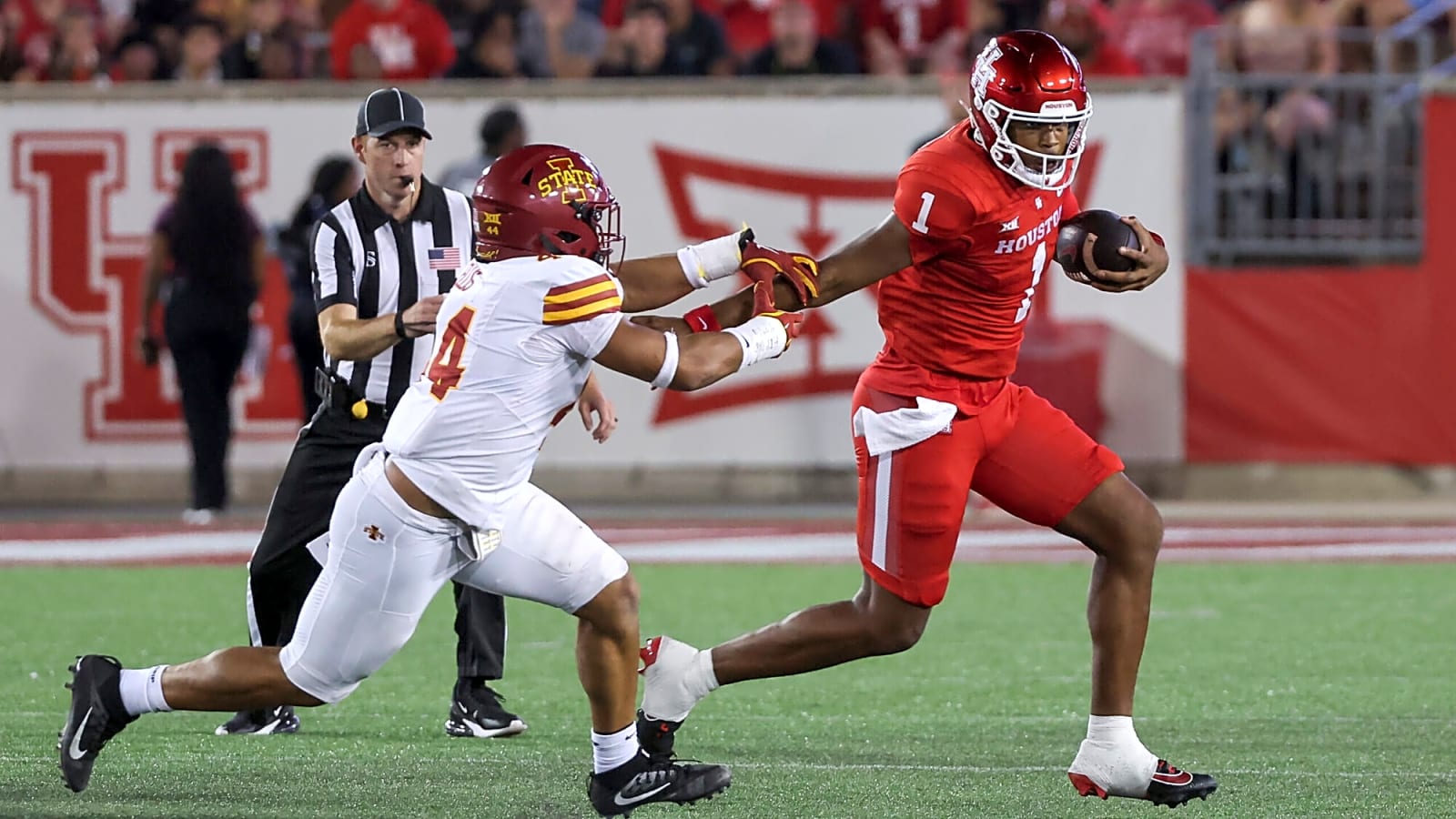
Donovan Smith started all 136 games he suited up for across nine NFL seasons. Two Super Bowl rings. Roughly $66 million earned. Protected Tom Brady’s blindside in Super Bowl LV, then Patrick Mahomes’ in Super Bowl LVIII. A perfect durability record at the most punishing position in football. And on April 26, 2026, at age 32, he announced his retirement via Instagram after spending two full seasons without taking a single NFL snap. That number, 136 out of 136, will matter more as this story unfolds.
The Machine That Ate a Champion
Tampa Bay released Smith in March 2023. Kansas City signed him that May to a one-year deal with a $3 million base salary that could reach up to $9 million with incentives. He started all 12 games he played, helped the Chiefs win Super Bowl LVIII, and then watched his phone go largely silent. The structure tells the whole story. One-year contracts are designed to expire veterans. Teams get championship production without long-term commitment, then cycle in younger, cheaper replacements. Smith won the biggest game in football and still got a one-season lease, not a mortgage. The Chiefs never re-signed him.
The Shrinkflation of an NFL Career
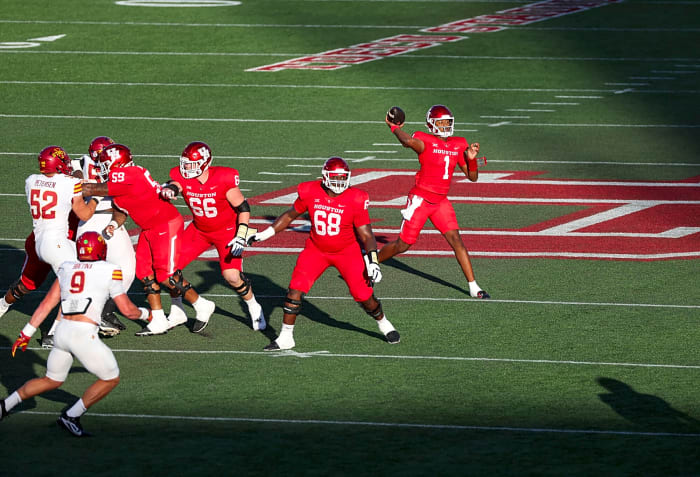
Smith averaged roughly $7.4 million per season across his career. That sounds like generational wealth until you realize the earning window slammed shut around age 30. Two full years without an NFL snap followed his final game. For every veteran offensive lineman watching, the math just changed. Championship credentials and a perfect starting record bought exactly zero additional paydays. This is career shrinkflation. Same job, same trophies, shorter runway, smaller payout window. If the most reliable left tackle in football can’t extend his earning window past the prime curve, the 31‑year‑old guards and centers behind him are recalculating tonight.
Front Offices Already Got the Memo

Smith’s retirement landed one day after the 2026 NFL Draft concluded. That timing speaks volumes. Teams just spent premium picks on younger offensive linemen, and the veteran who started 136 straight games couldn’t get back on a roster. The draft pipeline now functions as a veteran replacement engine. College tackles arrive cheaper, with longer contract control windows and no championship‑salary expectations. Smith earned a three‑year, $41.25 million extension from Tampa Bay in 2019. No team wanted to pay even a fraction of that for a proven winner entering his thirties.
Two Dynasties, One Bridge, Gone
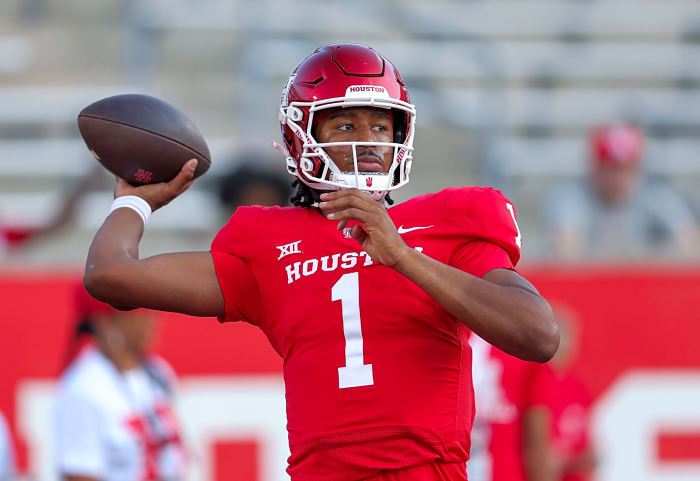
Smith’s departure strips the league of a player who bridged two dynasties. Brady’s Buccaneers and Mahomes’ Chiefs. That institutional knowledge, the ability to protect two completely different quarterback styles at the highest level, now exits the playing field entirely. Young tackles replacing veterans like Smith won’t carry that cross‑system expertise. Coaching staffs lose a mentorship resource that no draft pick can replicate. One fewer living link between the two greatest quarterback eras in modern football. Gone.
The Expiration Date Nobody Admits Exists
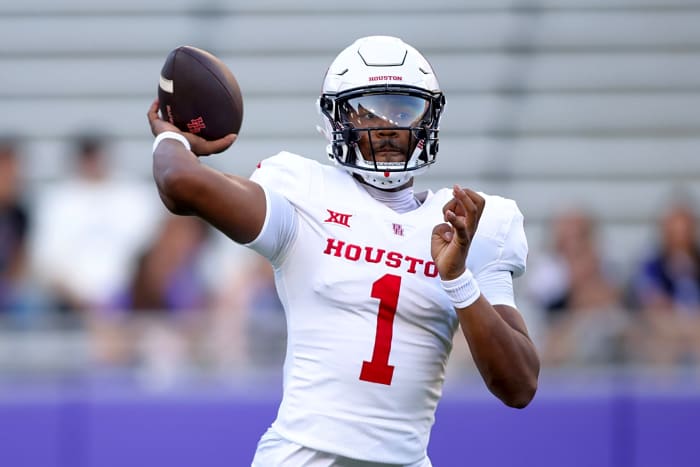
Every ripple traces back to one hidden mechanism. NFL front offices optimize for age, cap hit, and youth pipeline depth over proven performance. Championship rings are resume lines, not job insurance. Smith was 30 when his last snap came in the 2023 season. Healthy enough to start every game he suited up for. A perfect starting record. The market calculated his age against a rookie’s cost and chose the rookie, 32 times over. Same mechanism pushed him out of Tampa. Same mechanism gave him only a one‑year deal in Kansas City. Same mechanism left him without a roster spot for two seasons. Your career, your reliability, your trophies. None of it overrides the spreadsheet.
‘Every Emotion Imaginable’
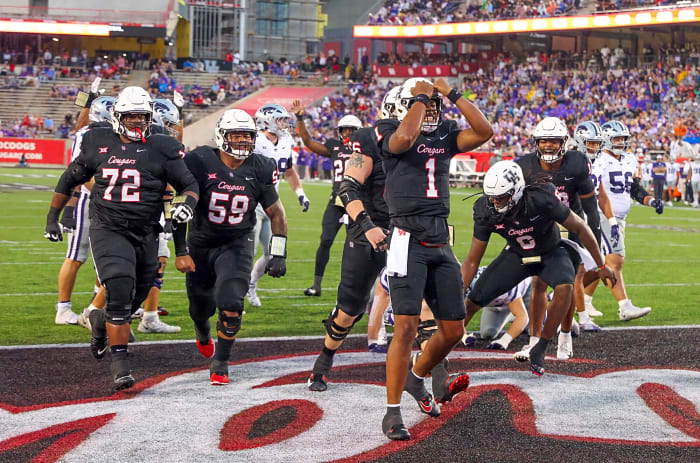
“Football has made me feel and experience every emotion imaginable,” Smith wrote in his Instagram farewell. Read that again knowing he spent two years without an NFL game. Every emotion includes the one the market specializes in delivering. Irrelevance. He never earned a Pro Bowl or All‑Pro nod despite two championship rings and over 1,000 snaps in the 2016 season alone. His gratitude was real. So was the silence that preceded it. A man thanking the game that forgot him.
The New Rule Book
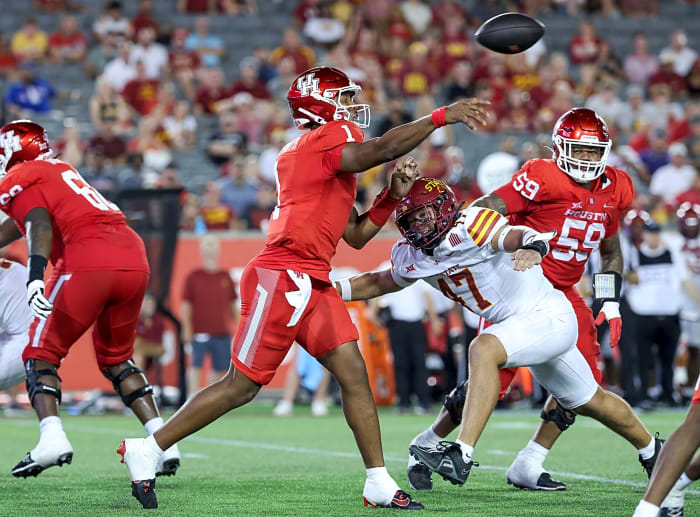
Smith’s case now becomes a precedent. If a two‑time Super Bowl champion with a perfect starting record cannot get signed after 30, then no credential package guarantees employment for any offensive lineman past the prime window. The age cutoff for linemen, once informally set around 34 or 35, appears to be dropping toward 31 or 32. The 2015 draft class, Smith’s peers, are cycling into early retirement across the board. Compressed careers are becoming the industry standard. Win a title, get one more year, disappear. That pattern just got its clearest proof.
Who Wins When Champions Lose
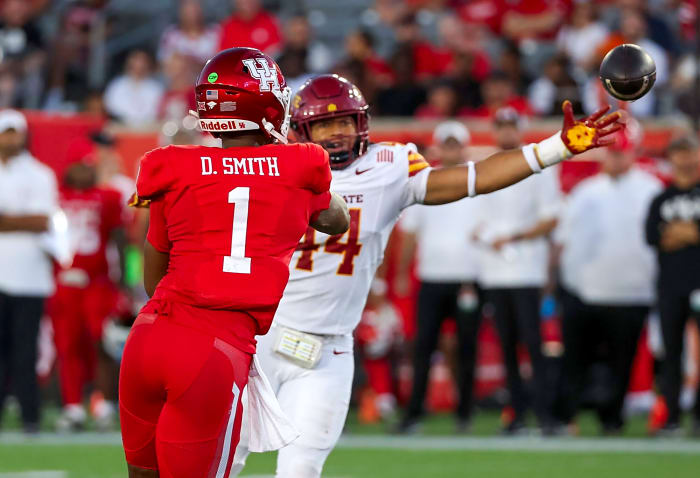
The winners are obvious. Front offices that shed veteran salaries and reinvest in draft capital. The losers are every player over 30 watching Smith’s trajectory and recognizing their own future. Smith earned roughly $66 million across nine seasons. That total is now permanent. No future NFL paychecks. No performance bonuses. No endorsement leverage from active status. The cruelest irony belongs to the league’s own marketing machine, which celebrates champions as permanent heroes while the economic system treats them as disposable parts. Smith protected future Hall of Fame quarterbacks. Nobody protected his career.
The Class of 2015 Is Already Gone
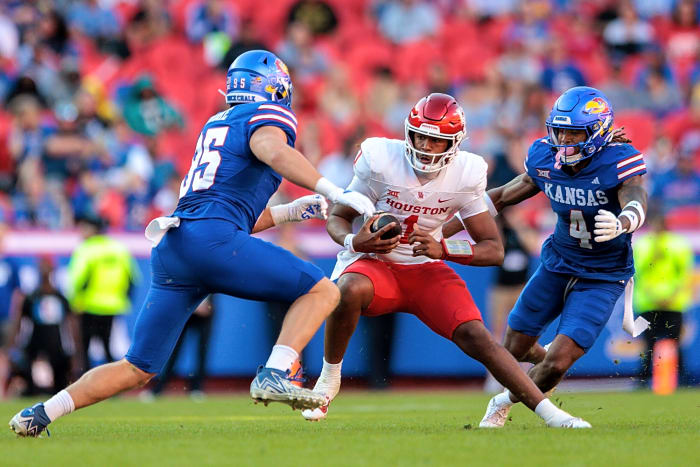
Smith was the 34th overall pick in 2015, a second‑round selection out of Penn State. Look around at what remains of the offensive linemen drafted that year. Brandon Scherff, Ereck Flowers, T.J. Clemmings, Cameron Erving, Andrus Peat. The class is thinning fast, with most members either retired, out of the league, or clinging to depth spots at veteran minimums. Smith’s retirement at 32 fits the pattern exactly. A first‑ or second‑round lineman in 2015 is now either a backup, a coach, or a cautionary tale. The league does not keep draft classes intact. It processes them.
The 1,134‑Snap Season
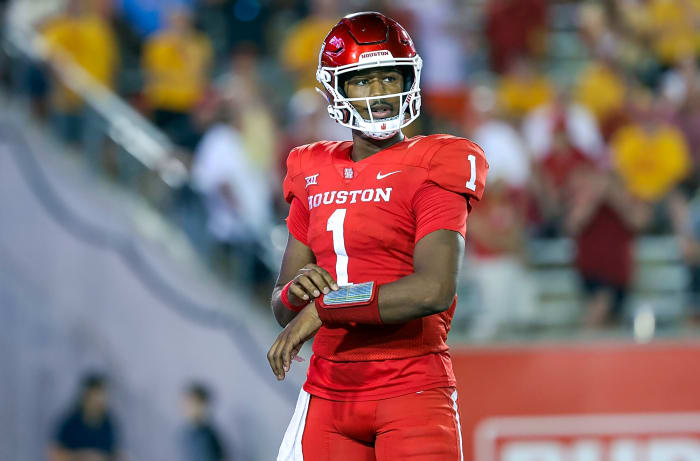
In 2016, Smith played every offensive snap the Tampa Bay Buccaneers took, finishing the year with 1,134 snaps at left tackle. That is the kind of volume that wins durability arguments but destroys bodies. League‑average left tackles rarely clear 1,050 snaps in a season, and almost none do it for nine consecutive years the way Smith did through 2023. The numbers explain the opinion. When the article calls him one of the most durable offensive tackles of his era, that season is the evidence.
What $66 Million Actually Bought
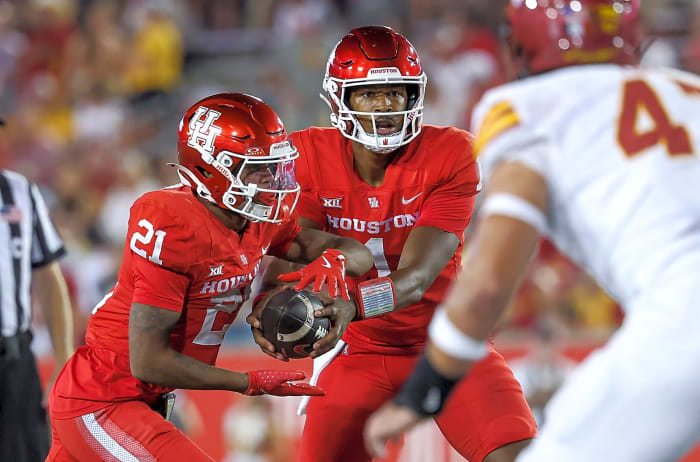
The headline figure hides the structure. Smith’s rookie contract paid him roughly $6.07 million over four years. His 2019 three‑year extension with Tampa Bay was worth $41.25 million, with $27 million guaranteed at signing. A 2021 restructure reshaped the cap hit without adding new money. The 2023 Kansas City deal carried a $3 million base salary with incentives pushing the maximum to $9 million. Add it together and the career total sits near $66.6 million. Most of that was earned before age 30. Almost none of it came after the second Super Bowl ring.
The Veterans Who Beat the Spreadsheet
Smith sat through the 2024 and 2025 seasons while other veteran left tackles kept cashing checks. Trent Williams stayed under contract with San Francisco. Tyron Smith found roster spots after leaving Dallas. Duane Brown continued chasing late‑career opportunities into his late thirties. What separates them from Donovan Smith is the one credential he never collected. Pro Bowl nods. Williams has eleven. Tyron Smith has eight. That is the brutal math of the veteran market. Durability without decoration does not clear the spreadsheet. Elite grades extend careers. Reliable ones do not.
What Comes Next for Smith
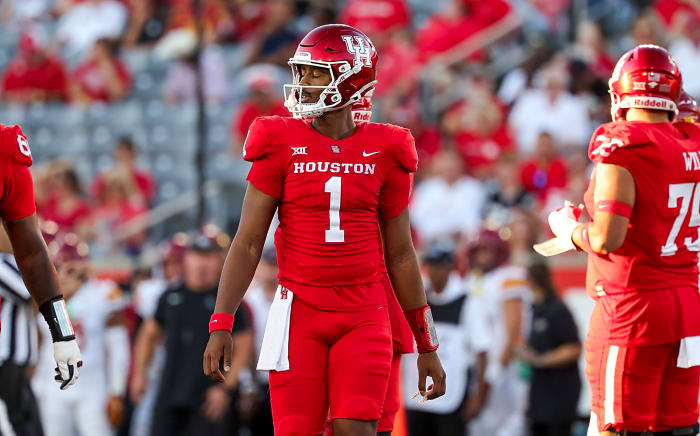
Smith wrote that he looks forward to “new doors” opening on the other side of retirement. Former Super Bowl champion linemen have a template for what those doors tend to be. Coaching, broadcasting, youth football, business ventures, and front office roles. At 32, Smith retires younger than most of his peers who made the same transition, which means his post‑playing runway is longer than his playing career was. The ring count travels. The film travels. The locker room reputation travels. What does not travel is active NFL income, and Smith has already spent two years adjusting to that reality.
The Cascade Keeps Breaking
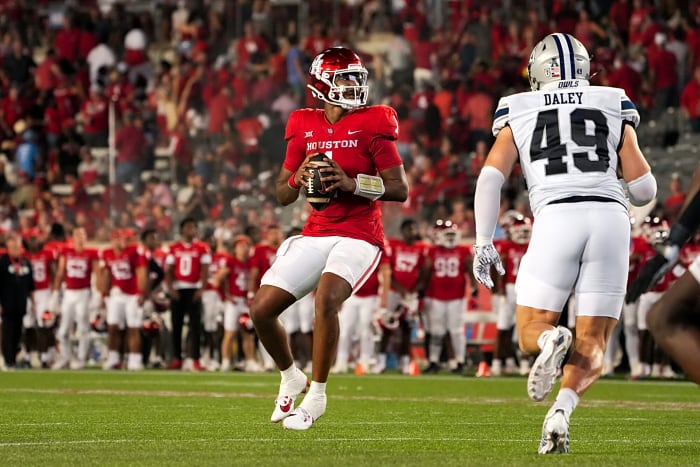
The doors behind him tell the real story. Released by Tampa. Given a one‑year lease by Kansas City. Off an NFL roster for two full seasons. Retired at 32 with a perfect starting record nobody valued. And the system that discarded him keeps running. Younger tackles will win Super Bowls next February, earn their one‑year extensions, and face the same spreadsheet. The cascade continues. Smith just became the clearest map of where it leads.
Who’s the next two-time champion you’d bet gets pushed out before 33, and which front office pulls the trigger first?
Sources:
Donovan Smith, Instagram retirement announcement, April 26, 2026
NBC Sports, “Veteran OT Donovan Smith calls it a career,” Michael David Smith, April 26, 2026
Over the Cap, Donovan Smith contract history and career earnings, accessed April 2026
Pro Football Reference, Donovan Smith career statistics, 2015 through 2023 seasons
Tampa Bay Buccaneers, official roster transactions, March 2023
Kansas City Chiefs, official roster transactions, May 2023
More must-reads:
- Broncos get positive injury update on QB Bo Nix
- Tyreek Hill gets more bad news about possibly finding a new NFL home
- The 'Multiple 4K-yard NFL seasons' quiz
Breaking News
Trending News






Customize Your Newsletter
 +
+




Get the latest news and rumors, customized to your favorite sports and teams. Emailed daily. Always free!
PRIVACY POLICY COOKIE POLICY CONTACT US
ABOUT YARDBARKER TERMS OF SERVICE


By using this site, you agree to our Terms of Service and Privacy Policy.
This site is for entertainment purposes only.
There is no gambling offered on this site.
Gambling Problem? Call 1-800-Gambler.
