
-

-


Follow Us
-

 On Facebook
 On Flipboard
 On Twitter

Dynasties are fun to watch, aren’t they? Well. The conception of a dynasty is. Back in 2019, I was excited to see what the Chiefs could do. Patrick Mahomes reminded me of Marino and Favre with a little bit of Tarkenton for good measure.
Boy howdy. I came down with a serious case of buyer’s remorse five years later, but it was still fun to watch them steadily improve year after year.
I wish I could tell you a team with a worn-out roster and $70 million in cap hell could be a Super Bowl contender, but doing so would be turning a blind-eye to the obvious. A team built in March has the potential to play in February. The Kansas City and New England dynasties are the most recent examples of that.
But what makes a long-lasting dynasty?
With Kansas City knocking on a rebuild’s door and New England finding its footing again, teams can take their dynastical recipes for success and build upon it. History has also taught us valuable lessons about building a dynasty.
1. Consistency Meets Youth
Andy Reid and Patrick Mahomes were a match made in heaven. A gunslinger from Texas Tech Red Raiders football, paired with an offensive mind with years in the business; prior to Mahomes, Reid coached the likes of Donovan McNabb, Michael Vick, and Alex Smith. It’s interesting to compare Mahomes to McNabb and Vick — it’s as if he’s a better hybrid of the two.
My point is, when you take established coaching personnel and combine them with adaptable, coachable young players, you’re already off to a good start. But an established playoff coaching pedigree is preferred.
For instance, Bill Belichick coached in two Super Bowls prior to coming to New England. Reid took the Philadelphia Eagles to a Super Bowl and four straight NFC Championship appearances. Coaches with playoff success are most likely to leave an impression on younger players — and get the best out of them.
There are instances where younger or inexperienced coaches head a franchise in the right direction. Jimmy Johnson won two Super Bowls with the Dallas Cowboys after coaching the Miami Hurricanes football to a 1987 national championship. But if recent success is any indicator, a happy medium of experienced, successful coaching and young, impressionable players is the way to go.
2. Defense, Defense, Defense
Pittsburgh Steelers linebacker Jack Lambert pursues Cleveland Browns running back Greg Pruitt in a 1975 game between the teams. Credit: Malcolm Emmons (Public Domain)
Offense makes championship teams exciting. Defense makes those teams destined for long-term success. Look no further than the Pittsburgh Steelers dynasty of the 1970s. Sure, Terry Bradshaw headlined the offense, but the defense set the Steelers apart.
Joe Greene. Jack Lambert. Jack Ham–need I say more?
Same thing with the Giants’ Super Bowl-winning teams of the 80s (Harry Carson, LT, Carl Banks). Even the Chiefs’ most recent title runs had defensive playmakers like Chris Jones, Nick Bolton, Trent McDuffie and other unheralded contributors. New England? Well, pick your poison.
Emphasizing defense as much, if not more than offense, has been a recipe for success since the 1970s. The league’s slowly circling back to that era; the high-powered air raid offenses of the 2010s is giving way to a rejuvenated era of running backs.
3. Culture Brings Championships
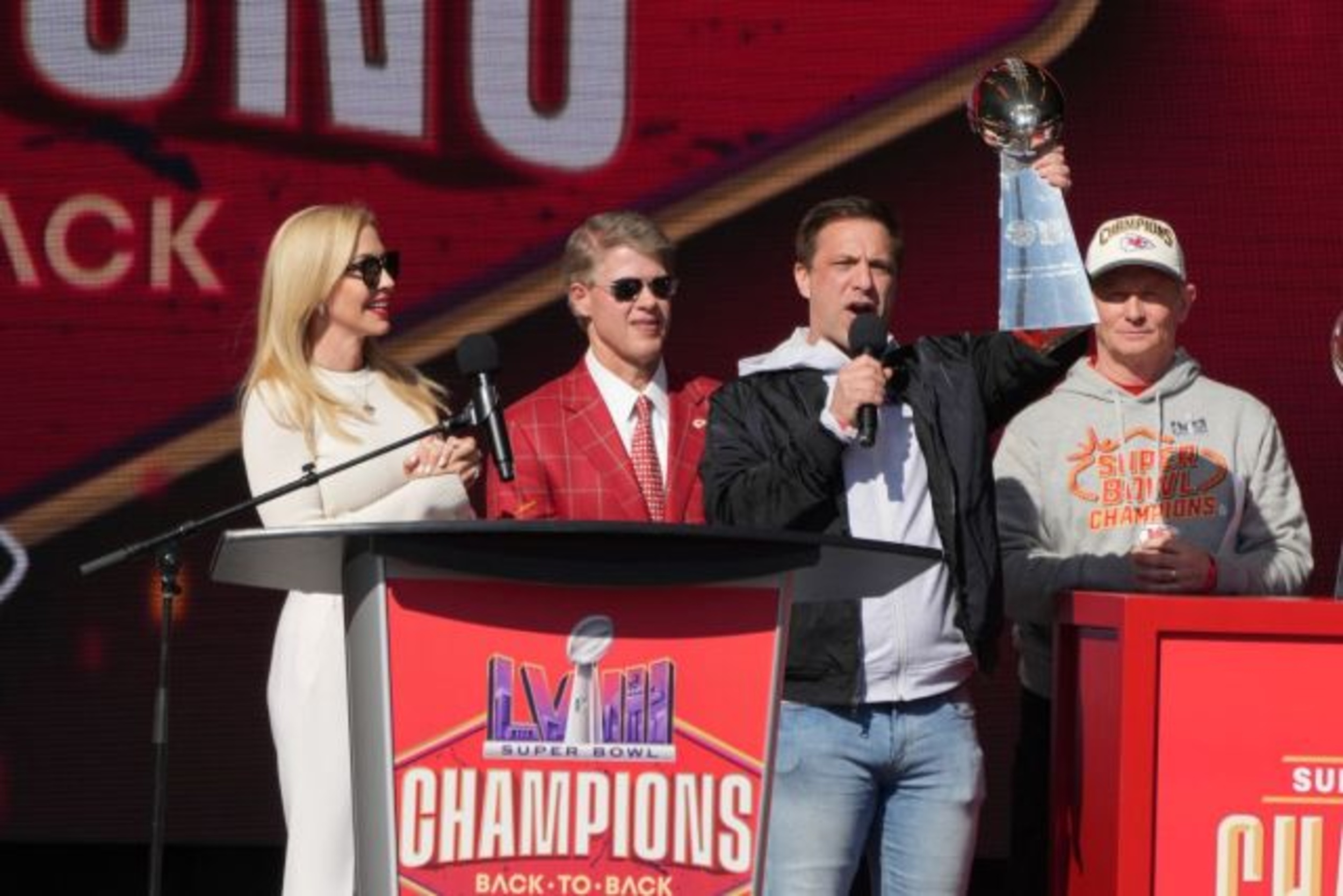
Culture is the backbone of civilization and dynasties. In the 80s, the 49ers predicated themselves on hard-nosed defense and a certain “Joe Cool” figure that kept calm when the chips were down. Before them, the aforementioned 70s Steelers had a similar formula.
I’d also be remiss to omit Brady and the elite Patriots defenses of the mid-2000s. Man, Dolphins’ bias is hard to write through.
A team’s culture ultimately determines its success. Players, coaches, and front office management make up a systematic culture that influences a dynasty’s longevity. Eddie DeBartolo, Robert Kraft, and Clark Hunt–names that don’t quite get the recognition as Belichick or Reid but have a profound impact on the team’s success.
They’re primarily responsible for putting the team together. Leadership starts at the top, and we’ve seen in recent years how bad ownership can reflect poorly on the team and its performance. The 1990s Cowboys are the one exception I can think of where culture took a backseat to talent, but I’ll let Jeff Pearlman take you on that ride.
End Of My Dynasty Rant
Meet the new boss, same as the old boss. A lot of the NFL dynasties we’ve seen have mirrored each other in different, albeit similar ways. With the Chiefs’ dynasty fading as age and regression rear their ugly heads, who’ll be next to take the leap into dynastical waters? Seattle? Philadelphia? New England, God forbid?
Getting to The Dance is easy. Getting back is another thing entirely.
More must-reads:
- Early look at Seahawks' sale reveals name of interest
- Five teams that should consider NFL Draft trades
- The 'Rushing-TD leaders by NFL team' quiz
Breaking News
Trending News






Customize Your Newsletter
 +
+




Get the latest news and rumors, customized to your favorite sports and teams. Emailed daily. Always free!
PRIVACY POLICY COOKIE POLICY CONTACT US
ABOUT YARDBARKER TERMS OF SERVICE


By using this site, you agree to our Terms of Service and Privacy Policy.
This site is for entertainment purposes only.
There is no gambling offered on this site.
Gambling Problem? Call 1-800-Gambler.
