
-

-


Follow Us
-

 On Facebook
 On Flipboard

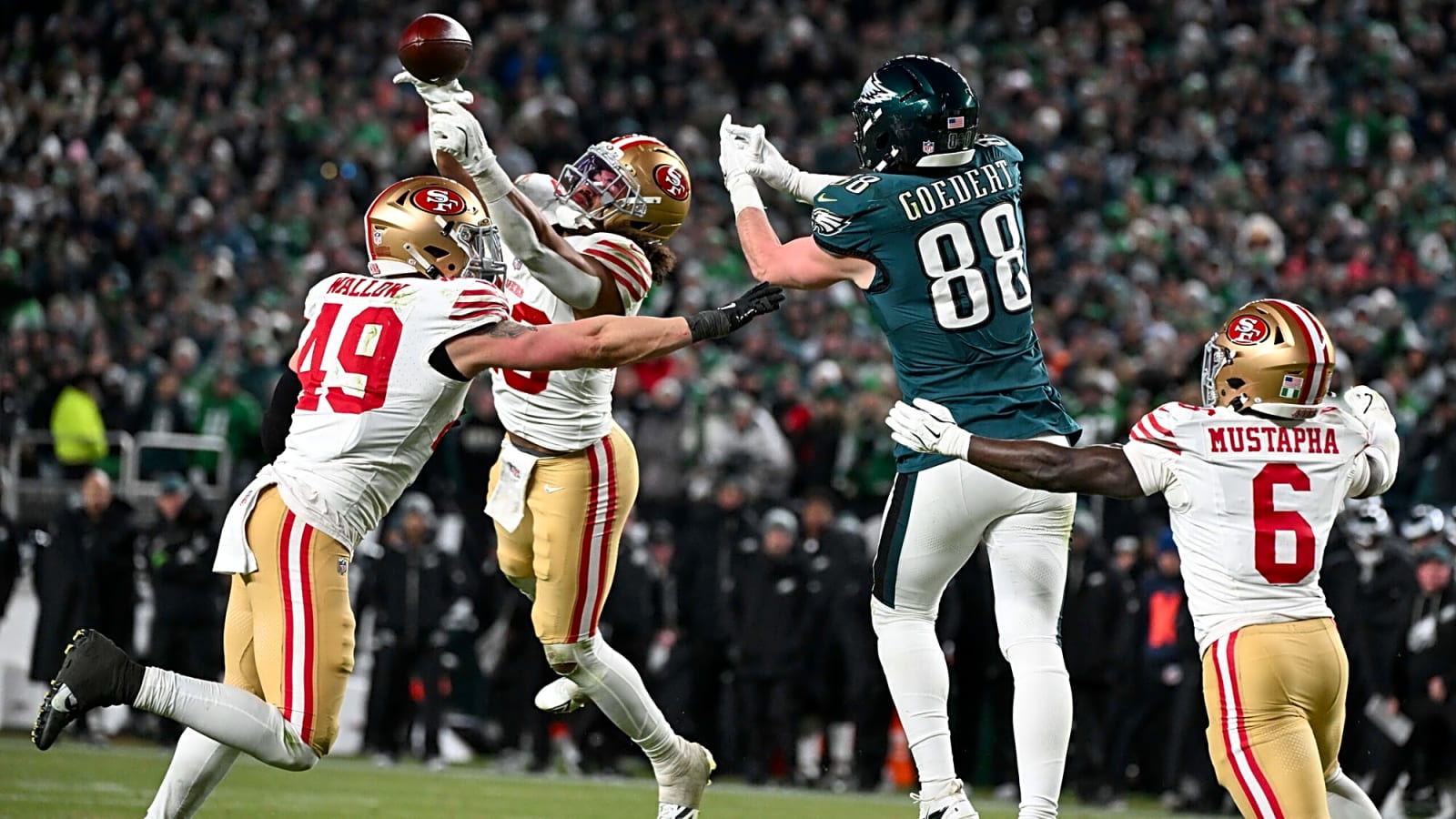
The confetti from Super Bowl LIX barely settled before the Philadelphia Eagles started losing the people who made it fall. Alec Halaby, the Harvard-educated analytics mind who helped build two championship rosters across 17 years, stepped away from the organization on April 28, 2026. He called it “a wonderful journey” and signed off with “Go Birds.” One day earlier, senior vice president Bryce Johnston walked out the same door. Two exits in 24 hours from a front office that just beat the Kansas City Chiefs 40-22 in February.
The Résumé Nobody Could Ignore
Halaby arrived in Philadelphia as a 2009 intern fresh from Harvard, where he studied English with an economics minor and contributed to Football Outsiders. He climbed through player personnel analyst, special assistant, vice president of football operations and strategy, and finally assistant general manager in 2022. Ten postseason berths. Three conference championships. Two Lombardi trophies. By 39, he had assembled the kind of front office track record that makes other teams pick up the phone. For three consecutive offseasons, they did exactly that.
The MIT Sloan Pedigree

Halaby was a recurring speaker at the MIT Sloan Sports Analytics Conference, the de facto recruiting hub where front office hopefuls and established executives trade ideas. That visibility matters. Sloan appearances are how analytics-minded staffers build national profiles, and Halaby’s panels put him in front of every general manager and owner shopping for the next quantitative thinker. The conference circuit turned a Philadelphia internal hire into a name that competing franchises tracked year over year.
The Forbes 30 Under 30 Footnote

Back in 2015, Forbes named Halaby to its 30 Under 30 list in Sports at age 28. That recognition came seven years before his promotion to assistant general manager and roughly a decade before the GM interview requests started piling up. The early visibility foreshadowed the eventual departure. Once a young executive lands on a national list, retention becomes a calendar problem rather than a question of if.
Three Exits, One Month

Halaby wasn’t even the first domino. Jeff Scott left for the Atlanta Falcons as assistant general manager earlier in April. Johnston followed on Monday, named the Falcons’ senior vice president of football administration. Halaby stepped away Tuesday. Three architects of the Eagles’ analytical infrastructure, gone within weeks. One media analyst called them “Jenga pieces” being pulled from the organization. That metaphor only works if you acknowledge the tower is still standing. The question is how many more pieces it can lose before it wobbles.
The Falcons’ Ian Cunningham Connection

Atlanta’s general manager, Ian Cunningham, is himself a former Eagles executive who spent years inside Howie Roseman’s front office before taking the Falcons job. That relationship explains why two Philadelphia hires landed in Atlanta inside 24 hours. Cunningham knew exactly which staffers carried the institutional knowledge worth importing, and he had the personal credibility to recruit them. The Eagles tree is now growing in Atlanta because the people who knew the tree planted it there.
The Paradox of Winning

Here is the truth nobody in Philadelphia wants to hear: the Eagles didn’t lose Halaby despite winning two Super Bowls. They lost him because they won two Super Bowls. Championship success turned a loyal intern into a leaguewide commodity. Three straight years of GM interview requests proved it. The Miami Dolphins requested permission to interview him. Every ring on his résumé made him harder to keep. Howie Roseman built Halaby into exactly the kind of executive other franchises would pay anything to steal. That investment just walked out the door.
The Hidden Talent Pipeline

Two of the three departing executives landed in Atlanta. That’s not coincidence. The Falcons identified the Eagles’ front office as a system worth replicating and recruited the people who built it. Halaby’s background in analytics and resource allocation, Johnston’s salary cap expertise, Scott’s personnel evaluation skills: Atlanta purchased an entire operational philosophy by hiring the practitioners. The Eagles spent 17 years developing Halaby’s institutional knowledge. The Falcons acquired a version of it in a single offseason. That’s the hidden economy of NFL front offices.
The Numbers Behind the Exodus
Halaby contributed to 10 postseason appearances, two Super Bowl victories separated by seven years, and three conference championships. That sustained excellence across multiple roster cycles is what separates a system builder from a one-hit wonder. Roseman acknowledged it plainly: “Alec has been a huge part of our success, and a close friend.” Close friend. Huge part of success. Still gone. Friendship and championship rings proved insufficient retention tools against the pull of a general manager title somewhere else.
The Jon Ferrari Factor

Halaby’s exit leaves Jon Ferrari as the lone remaining assistant general manager in Philadelphia, a structural detail that reshapes the next several months of front office decisions. Ferrari now becomes the natural candidate for elevated responsibility across analytics, cap, and personnel functions that Halaby, Johnston, and Scott previously divided. Whether Roseman expands Ferrari’s portfolio or splits the work across new hires will signal how the Eagles intend to rebuild the layer beneath the GM seat.
Roseman’s Rebuilding Problem

Roseman now faces an urgent reconstruction of roughly three layers of front office leadership before the 2026 season begins. Analytics, salary cap management, personnel evaluation: all three pillars lost key architects within weeks of the draft. The remaining Eagles executives watched three colleagues leverage championship credentials into bigger roles elsewhere. That creates its own gravity. Every mid-tier staffer in Philadelphia now has a template for departure. The next wave of recruitment calls from rival teams will find a front office that already knows its people are portable.
What the Front Office Page Still Says

As of publication, the Eagles’ official media center still lists Halaby in its football operations directory. That’s a small administrative detail with a larger meaning. The departures moved faster than the team’s own internal updates, a reminder that the public-facing org chart is always a lagging indicator of what’s actually happening inside an NFL building. The directory will catch up. The competitive cost of catching up is the harder question.
A New Rule for the NFL

Halaby’s 17-year tenure represents rare longevity for a mid-career NFL executive. His departure after two Super Bowls establishes something larger than one man’s career move. Winning organizations now function as talent-export platforms. Build a championship, prove the model works, and watch competitors recruit your architects to replicate it. Once you see that pattern, every front office departure from a successful team looks different. Philadelphia’s “envy of the league” reputation didn’t protect its people. It painted targets on their backs.
The Competitive Window Narrows

If Roseman cannot replace these executives with similarly capable personnel, the Eagles’ competitive window starts shrinking. The 2027 and 2028 seasons will test whether Philadelphia’s championship infrastructure survives the loss of the people who designed it. Other NFL organizations, emboldened by the Falcons’ successful recruitment, will keep calling. Halaby stated he was “deeply grateful” to owner Jeffrey Lurie. Grateful, yes. But gratitude doesn’t compete with a general manager title and the chance to build something from scratch.
The Exit That Explains Everything

Halaby’s “new professional chapter” phrasing signals advancement, not escape. He’s 39, prime age for a first general manager role, with a résumé no search committee can dismiss. The system that produced him will keep producing executives like him. And those executives will keep leaving. Roseman’s next move likely involves accelerated promotions and retention deals for whoever remains. The real lesson from Philadelphia sits underneath all the departures: the better you build your people, the faster someone else comes to take them.
Eagles fans, is this the price of a dynasty, or is Roseman about to prove he can rebuild the front office faster than the Falcons can poach it? Tell us in the comments.
Sources:
McLane, Tim. “Eagles assistant GM, senior VP departing after lengthy tenures.” ESPN, April 28, 2026.
Frank, Reuben. “Eagles assistant GM Alec Halaby steps down.” NBC Sports, April 27, 2026.
Kinkhabwala, Aditi. “Eagles lose a pair of key front office people in Alec Halaby and Bryce Johnston.” PhillyVoice, April 27, 2026.
Atlanta Falcons. “Falcons hire Bryce Johnston as Senior Vice President of Football Administration/Senior Personnel Executive.” atlantafalcons.com, April 27, 2026.
Sports Illustrated staff. “Eagles Lose Top Front Office Executive Bryce Johnston to Falcons.” Sports Illustrated, April 27, 2026.
Inside the Iggles staff. “Eagles’ front office exodus continues (but with an odd twist to the story).” Inside the Iggles, April 27, 2026.
More must-reads:
- Chiefs provide major Patrick Mahomes injury update
- This John Harbaugh decision could define the Giants' season
- The 'No.2-overall NFL Draft picks' quiz
Breaking News
Trending News




Customize Your Newsletter
 +
+



Get the latest news and rumors, customized to your favorite sports and teams. Emailed daily. Always free!
PRIVACY POLICY COOKIE POLICY CONTACT US
ABOUT YARDBARKER TERMS OF SERVICE


By using this site, you agree to our Terms of Service and Privacy Policy.
This site is for entertainment purposes only.
There is no gambling offered on this site.
Gambling Problem? Call 1-800-Gambler.
