
-

-


Follow Us
-

 On Facebook
 On Flipboard
 On Twitter
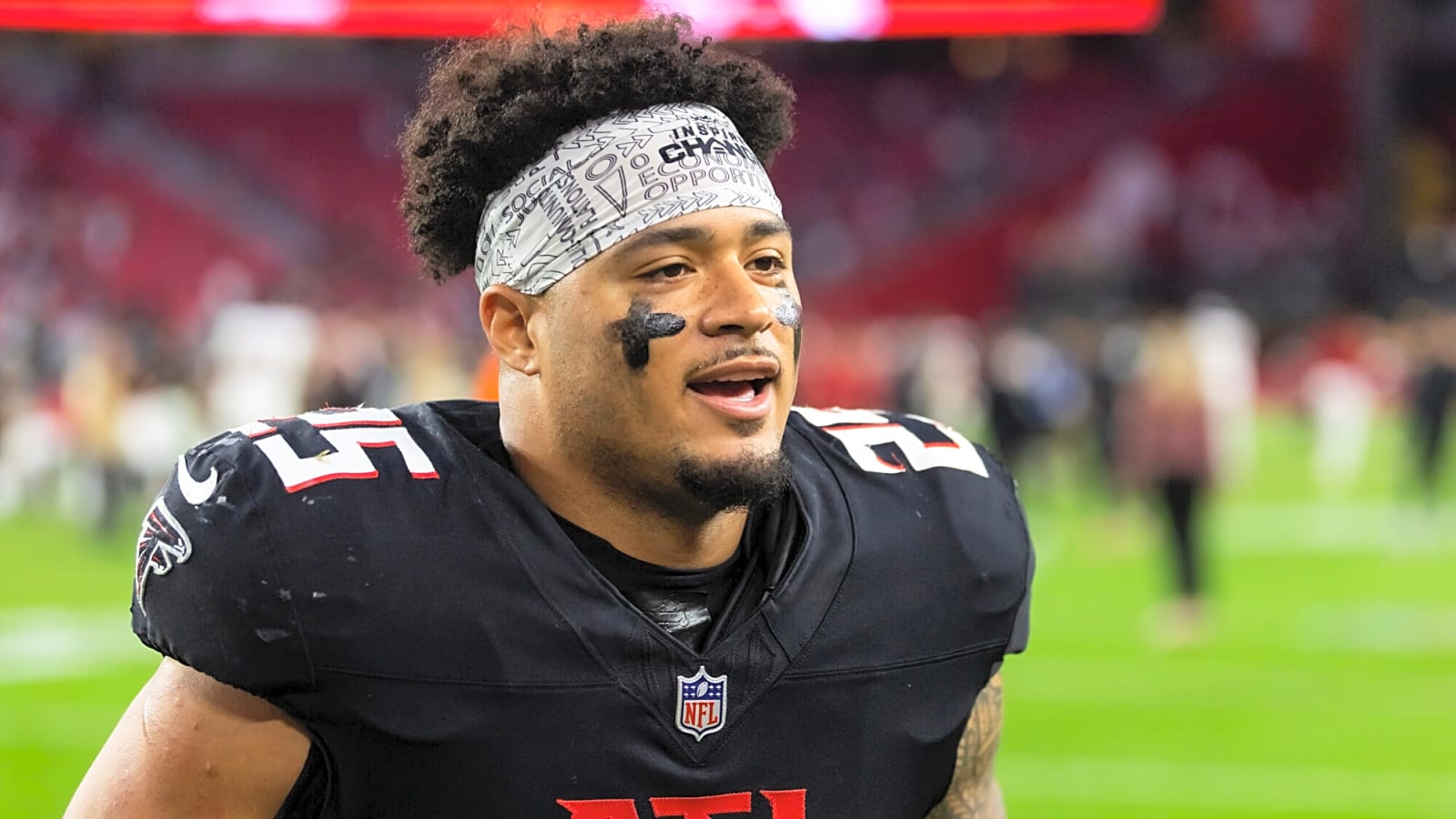
Back in August 2025, Brian Robinson Jr. stood at a podium in San Francisco and told reporters exactly what he planned to become. “My job is to complement (McCaffrey) as well as I can and be the best duo in the league.” Bold words from a man traded for a sixth-round pick. McCaffrey finished the season with 311 carries. Robinson got 92. By November, the “best duo” had become one star and a ghost. On March 24, 2026, Atlanta gave that ghost a second life for $2.5 million.
The Hole Allgeier Left Behind
Tyler Allgeier walked out of Atlanta and into Arizona on a deal valued in the $6 million-plus annual range by league sources. That left the Falcons staring at a backfield built around one man: Bijan Robinson, who led the entire NFL with 2,298 scrimmage yards in 2025. Bijan carried 287 times. He caught 79 passes for 820 yards. The production was historic. The depth behind him was nonexistent. Kevin Stefanski needed a backup who could absorb 150 carries without commanding starter money.
The Pattern Nobody Questioned

Conventional wisdom says you replace a $6 million back with another $6 million back. Spend to compete. Pay the premium. Except Atlanta’s front office looked at the 2026 free-agent running back market, flooded with mid-tier options like Joe Mixon and Najee Harris, and saw something the rest of the league kept ignoring: backup running backs are a commodity now. The scarcity is fake. The pricing is inflated. And the Falcons decided to stop paying the markup.
The $2.5 Million Bet
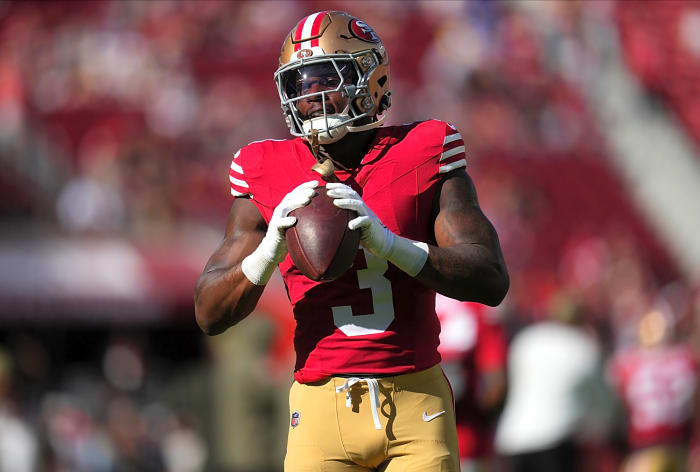
Robinson’s deal pays roughly 40% of what Allgeier commands in Arizona. One year. $2.5 million. No long-term commitment. That’s the Falcons betting on Kevin Stefanski’s zone-running system, not on Robinson’s talent. Stefanski won two AP Coach of the Year awards in Cleveland by extracting 4.3-plus yards per carry from interchangeable backs. Robinson averaged exactly 4.3 yards per carry behind McCaffrey. The system doesn’t need a star. It needs a body willing to run where the scheme tells him to run.
How the Assembly Line Works
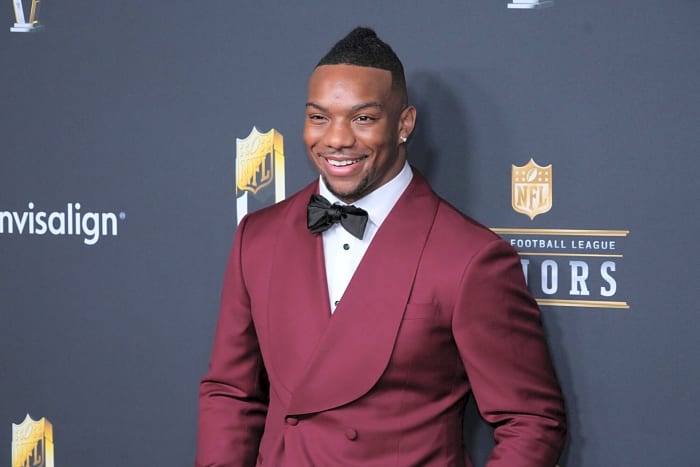
Stefanski’s zone scheme creates running lanes through blocking angles, not individual brilliance. Bijan Robinson thrives because he’s elite. But the backup role? That’s assembly-line football. Robinson slots into a depth chart alongside Nathan Carter and Carlos Washington Jr., all competing for the carries Bijan doesn’t take. If Robinson maintains his 4.3 yards-per-carry rate on roughly 150 backup touches, that’s an estimated 645 additional rushing yards the Falcons didn’t have last season. The chef matters more than the ingredient.
The Numbers That Expose the Market
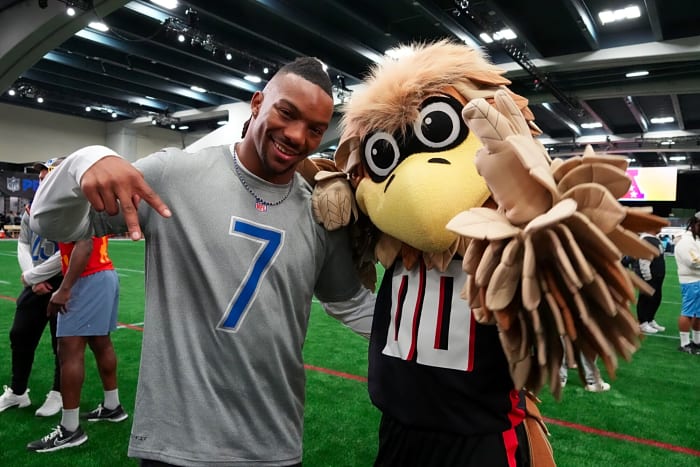
Robinson’s career totals tell a complicated story: 2,729 rushing yards, 17 touchdowns, 662 carries across four NFL seasons. Respectable. Not elite. His 2025 with San Francisco told a simpler one: 400 rushing yards, 2 touchdowns, 8 receiving targets all season. That’s a man who disappeared. Meanwhile, McCaffrey’s 311 carries dwarfed Robinson’s 92 by a 3-to-1 ratio. The modern NFL backfield isn’t a partnership. It’s a monarchy with one king and several replaceable servants.
Who Pays the Price
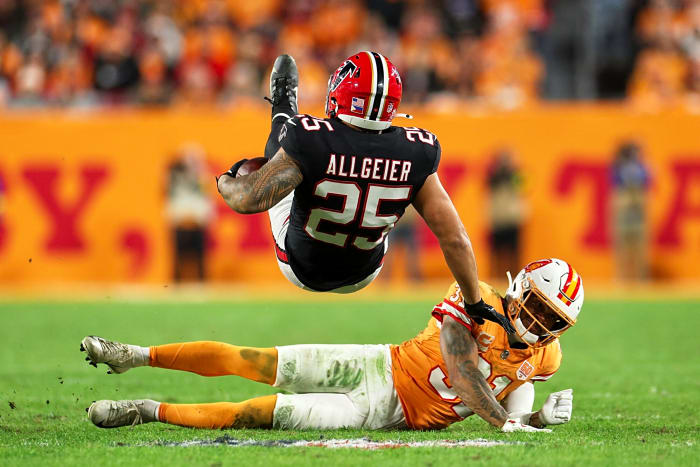
Robinson’s $2.5 million floor prices the entire backup running back market. If he produces in Atlanta, every GM in the league points to this deal and tells his agent, “That’s the rate.” Mixon, Harris, and every veteran backup seeking $5-7 million annually just watched their leverage shrink. Allgeier’s Arizona contract starts looking bloated before he takes a single carry. The Falcons also signed Tua Tagovailoa for $1.3 million on a one-year deal. Two prove-it contracts. One philosophy: coaching over checkbooks.
The Rule That Changed
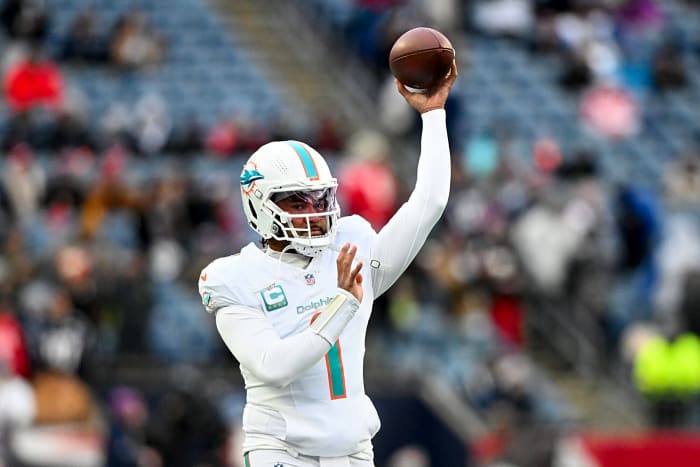
This signing isn’t an exception. It’s a template. Atlanta’s entire 2026 offseason, from Robinson to Tagovailoa, establishes a budget-rebuild model that other 8-9 teams will study. Cheap depth, plus draft capital, plus elite coaching. Robinson survived a gunshot wound from an armed robbery before his 2022 rookie season, returned within two months, and won Sports Illustrated’s Inspiration of the Year. A man who rebuilt his body once is now being asked to rebuild his career value on the same terms.
What Breaks First
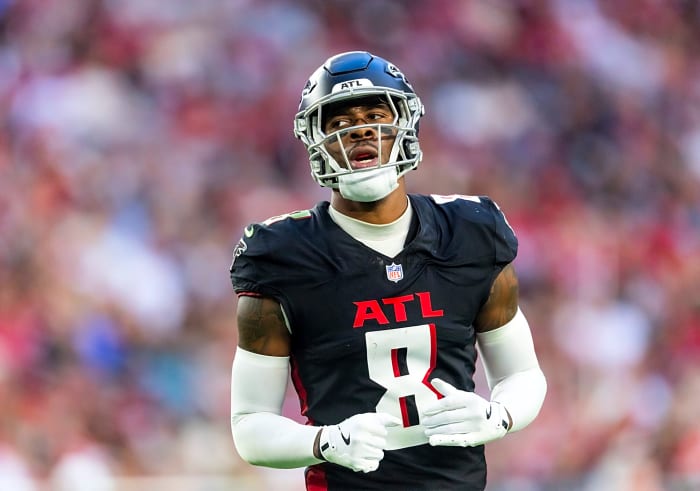
Atlanta went 8-9 in 2025 despite Bijan Robinson producing at an NFL-best level. Kyle Pitts added 88 receptions, 928 yards, and 5 touchdowns. The offense wasn’t the problem. The roster holes were elsewhere. Robinson’s signing doesn’t fix the defensive line or the secondary. If Stefanski’s system generates 2,100-plus projected scrimmage yards between both Robinsons and the Falcons still miss the playoffs, the conservative approach faces a credibility crisis that no $2.5 million deal can solve.
One Carry Away From Verdict
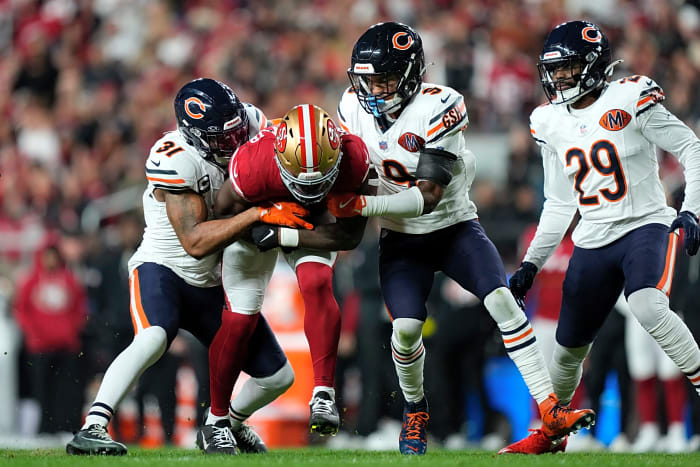
NFC South rivals are watching. If Atlanta’s ground game becomes league-leading, the Panthers, Saints, and Buccaneers accelerate defensive-line spending to counter it, triggering a divisional arms race that the Falcons’ budget model may not survive. Robinson’s first carry in Week 1 will tell the league whether system-over-salary works or whether the Falcons outsmarted themselves. A man who took a bullet and came back has one season to prove the market wrong about what a backup is worth.
Sources:
National Today , “Falcons Sign RB Brian Robinson Jr. to 1-Year Deal” , March 24, 2026
ESPN , “Source: Cardinals land Tyler Allgeier on 2-year, $12.25M deal” , March 8, 2026
Sports Illustrated , “Brian Robinson Jr. Named Sports Illustrated’s Inspiration of the Year” , December 8, 2022
Reuters , “Report: Falcons add RB Brian Robinson Jr. on 1-year deal” , March 25, 2026
Wikipedia , “2025 Atlanta Falcons season” , accessed March 2026
Yahoo Sports , “Tua Tagovailoa, Falcons agree to one-year deal” , March 9, 2026
More must-reads:
- Early look at Seahawks' sale reveals name of interest
- Five teams that should consider NFL Draft trades
- The 'Rushing-TD leaders by NFL team' quiz
Breaking News
Trending News




Customize Your Newsletter
 +
+




Get the latest news and rumors, customized to your favorite sports and teams. Emailed daily. Always free!
PRIVACY POLICY COOKIE POLICY CONTACT US
ABOUT YARDBARKER TERMS OF SERVICE


By using this site, you agree to our Terms of Service and Privacy Policy.
This site is for entertainment purposes only.
There is no gambling offered on this site.
Gambling Problem? Call 1-800-Gambler.
