
-

-


Follow Us
-

 On Facebook
 On Flipboard
 On Twitter

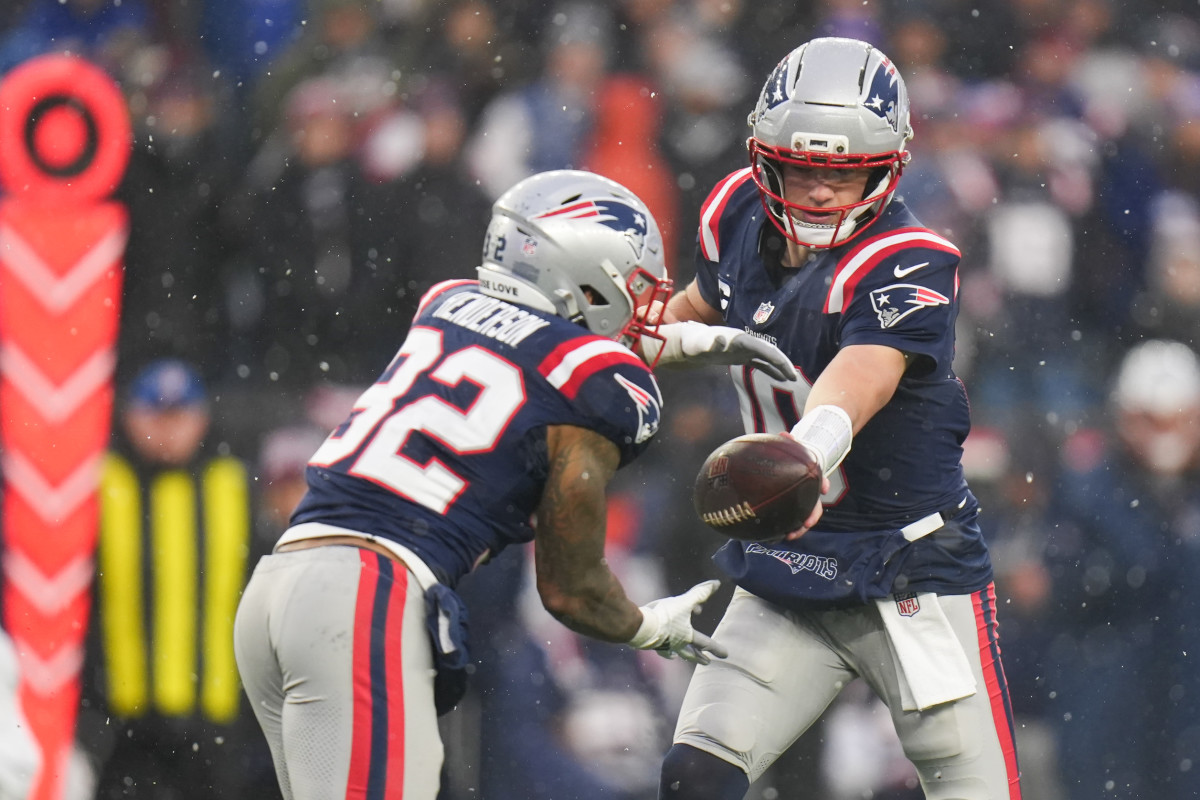
Running back draft timing starts with one question: How hard will it be to find weekly touches later? Compared to other positions, running back scoring depends more on workload, goal-line roles, and injury-driven role swings. That combination creates both scarcity at the top and volatility in the middle.
A consistent approach treats running backs as “opportunity assets.” Secure stable volume early when your format demands it, then use the midrounds and bench to chase roles that can grow.
When to Draft RB Early
Early running back picks make sense when your league forces you to start multiple backs and awards points in ways that favor touches.
- Lineup pressure: Two RB spots with one or more flex spots
- Touchdown weight: Scoring settings that elevate rushing touchdowns and goal-line carries
- Shallow benches: Less room to stash contingency backs
- Thin waiver wire: Competitive leagues where breakouts get bid aggressively
In these environments, one reliable, high-volume back can stabilize weekly scoring and reduce the number of must-hit waiver decisions you need later.
When to Wait on RB
Waiting becomes more viable when wide receivers provide more stable weekly scoring and the league environment supports in-season RB solutions.
- PPR-heavy scoring: Receptions push WR floors higher
- Committee-heavy NFL roles: Few backs hold true workhorse workloads
- Active waivers: Managers can find short-term starters through injuries and depth-chart changes
- Multiple flex spots: WR and TE scoring can fill weekly points without forcing fragile running back bets
A delay does not mean ignoring the position. It means targeting backs with clear paths to increased usage rather than paying early-round prices for uncertain workloads.
What to Target by Draft Phase
- Early rounds: High-touch roles with receiving involvement and goal-line access
- Midrounds: Backs with defined weekly usage or clear next-man-up value
- Late rounds: Contingency backs tied to high-scoring offenses and ambiguous backfields
Bottom Line
Draft running backs early when your format magnifies scarcity and weekly touch volume. Wait longer when your scoring and league environment let you build RB production through role-based adds and bench stashes during the season.
More must-reads:
- Chiefs acquire Justin Fields lottery ticket amid Patrick Mahomes uncertainty
- Veteran CB Darius Slay makes final decision on NFL career after 13 seasons
- The '100-rushing-yard Super Bowls' quiz


Customize Your Newsletter
 +
+




Get the latest news and rumors, customized to your favorite sports and teams. Emailed daily. Always free!
PRIVACY POLICY COOKIE POLICY CONTACT US
ABOUT YARDBARKER TERMS OF SERVICE


By using this site, you agree to our Terms of Service and Privacy Policy.
This site is for entertainment purposes only.
There is no gambling offered on this site.
Gambling Problem? Call 1-800-Gambler.
