
-

-


Follow Us
-

 On Facebook
 On Flipboard
 On Twitter
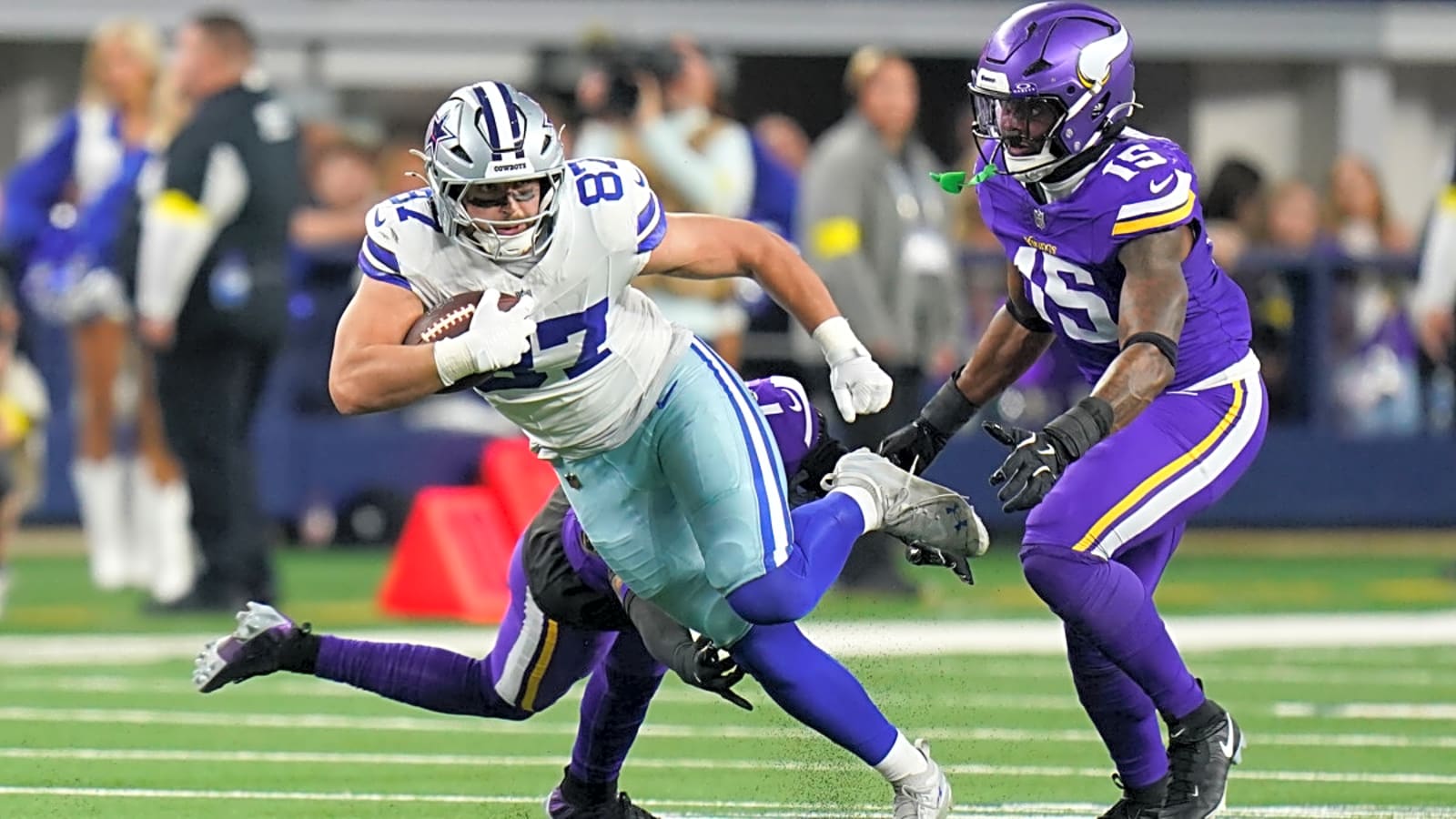
Fantasy football managers often chase ceiling in every round, but most leagues are lost through weekly instability rather than a lack of theoretical upside. A safe-floor draft strategy aims to reduce unnecessary volatility by building a lineup around players with stable roles, reliable volume, and clear paths to weekly usability.
This approach does not ignore upside. It simply treats floor as the foundation. When a roster opens the year with dependable touch and target totals, it gives managers more flexibility to absorb injuries, survive down weeks, and plan ahead with a sense of calmness.
What a Safe Floor Actually Means
A player’s floor is the level of production he can reach even when the game environment breaks poorly. That stability usually comes from role security more than raw talent.
In fantasy terms, safe-floor players tend to offer:
- Consistent snap shares
- Predictable touch or target volume
- Defined red-zone or third-down usage
- Strong odds of staying on the field regardless of script
- Limited dependence on long touchdowns or rare efficiency bumps
The safest rosters stack several of those players together. Instead of needing three or four volatile outcomes to break correctly each week, the team can generate competitive scores through workload alone.
Prioritize Volume Over Splash Plays
Volume remains the cleanest path to weekly stability. A wide receiver who sees, say, eight targets most weeks usually offers a safer profile than a big-play specialist who needs a deep ball to matter.
The same principle applies at running back. A player with consistent goal-line work generally carries a safer floor than a fellow committee back living on an explosive profile.
During the early and middle rounds, safe-floor drafting favors players who win through repeatable opportunity:
- Target earners over low-volume touchdown scorers at wide receiver and tight end
- Players with full-time roles over rotational specialists
- Nondescript veterans with established usage over uncertain preseason risers, though this one is more of a case-by-case situation
That does not mean every pick must feel boring. It means the reason for drafting a player should start with usable weekly volume, not a best-case scenario, unless you're fully intending to gamble on the upside.
Start With Stable Core Positions
A safe-floor build usually begins by stabilizing running back and wide receiver. Those positions drive stable weekly scoring, and they offer the most predictable path to bankable usage.
At running back, prioritize players who project for steady carries, passing-game involvement, or trusted goal-line work. At wide receiver, favor players with strong route participation and high target shares in functional passing offenses.
In conventional PPR drafts, that means the safest start is somewhere between balancing RB-WR and going heavy on wide receiver early, then mixing in running backs with preserved workloads rather than chasing fragile committee bets. Wide receivers often hold their weekly value through game script better than runners do, which makes them strong anchors for a floor-based roster. Draft position, league depth, scoring formats, and other factors determine which lane is correct for you, so don't feel too locked in either way. When in doubt, blending backs and wideouts evenly in the first four rounds is the wisest play.

Avoid Fragile Player Archetypes
Safe-floor drafting is often more about what to avoid than what to chase. Certain player types create unnecessary weekly risk even when their season-long profile looks attractive.
Common fragile archetypes include:
- Early-down backs with no receiving role
- Field-stretching receivers who rely on low-percentage deep targets
- Touchdown-dependent tight ends with limited route volume
- Committee backs without a goal-line presence
- Quarterbacks who need rushing chops to cover weak passing volume
These players can still help in the right price range, but they should not form the spine of a floor-based draft. Use them as selective upside bets after the starting lineup already has stability.
Addressing Quarterback and Tight End
A safe-floor strategy does not require one fixed rule at quarterback or tight end.
At quarterback, dual-threat options often offer strong floors, because rushing production protects against bad passing weeks. Just be careful since there needs to be some level of aerial talent to prevent defenses from being able to focus on the QB's mobility alone.
Pocket passers can still fit the build, but they need dependable passing volume and offensive stability. In today's NFL, your average mobile quarterback typically offers more weekly upside than their traditional counterparts.
At tight end, the goal is similar. Either draft a player whose role presents a clear weekly advantage or wait to avoid paying for a thin middle tier. Floor drafters should not spend premium capital on uncertainty. If a position lacks dependable separation, let others absorb that risk.
Use the Bench to Complement the Build
The bench is where you introduce high-upside volatility. Casual drafters often make the mistake of filling the bench with more low-floor picks, typically comprised of names they recognize when the manager didn't do their homework on sleepers. A prepared owner uses the bench for contingency and selective upside.
Smart bench pieces in a safe-floor draft include:
- Running backs with viable paths via injury risk
- Young receivers whose roles can grow
- High-usage backups in strong offenses
- Flexible depth pieces who can cover bye weeks
This setup gives the roster stability now and supplies room for growth.
Safe Does Not Mean Passive
Stable rosters make it easier to trade, stream, and attack waivers, because managers are not operating from desperation. When the weekly baseline is solid, every later move becomes more deliberate.
That is the real strength of the approach. A safe-floor roster does not need to guess correctly as often. It forces fewer emergency lineup decisions and gives the manager more chances to pursue upside from a position of strength.
Final Takeaway
Building a safe floor in fantasy football means drafting reliable usage and stable roles before chasing volatility. Start with players whose workloads can produce in any game script, avoid fragility in the core rounds, and treat upside as a complement rather than the foundation.
A roster built this way may not look flashy in August, but it often positions you well in late November, when weekly stability starts separating contenders from everyone else.
More must-reads:
- NFL teams most likely to draft a QB in Round 1 and ones that might force it
- Steelers may have an obvious replacement for Aaron Rodgers
- The 'Active 100-catch NFL seasons' quiz
Breaking News
Trending News






Customize Your Newsletter
 +
+




Get the latest news and rumors, customized to your favorite sports and teams. Emailed daily. Always free!
PRIVACY POLICY COOKIE POLICY CONTACT US
ABOUT YARDBARKER TERMS OF SERVICE


By using this site, you agree to our Terms of Service and Privacy Policy.
This site is for entertainment purposes only.
There is no gambling offered on this site.
Gambling Problem? Call 1-800-Gambler.
