
-

-


Follow Us
-

 On Facebook
 On Flipboard
 On Twitter
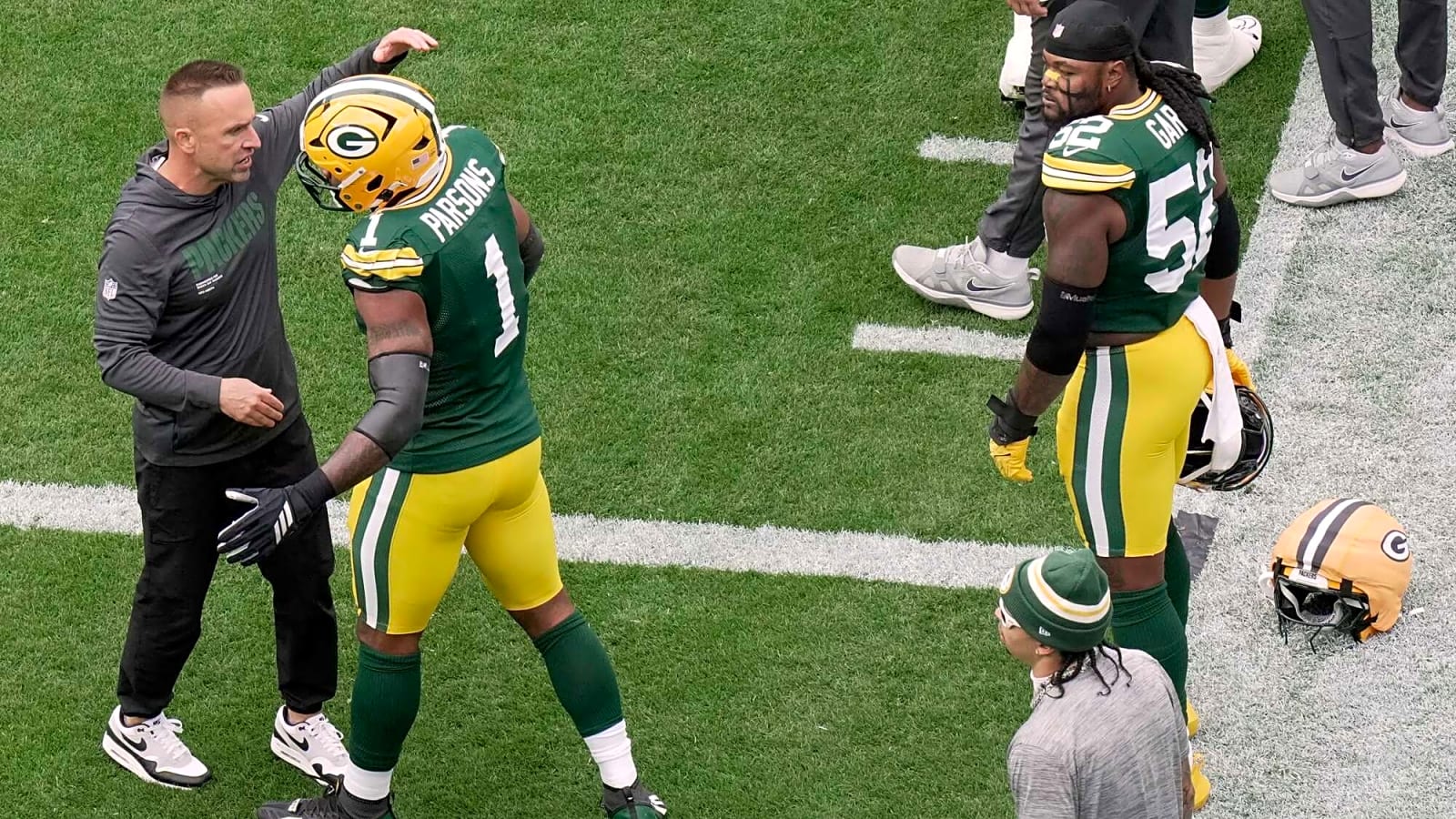
Professional sports rely on financial stability to maintain competitive balance across different cities. Recently, the House Judiciary Committee began reviewing the Sports Broadcasting Act of 1961 due to emerging antitrust concerns. This congressional review prompted the Green Bay Packers to issue a stark warning to lawmakers regarding their financial future. The franchise considers any structural changes to the current law an absolute threat to their survival. We will explore how this federal act functions, why it serves as a lifeline for small-market teams, and what legislative changes might mean for the entire NFL.
Green Bay Packers & The Sports Broadcasting Act
The Sports Broadcasting Act fundamentally shapes the business operations of professional football. Passed more than six decades ago, the legislation grants leagues like the NFL a specific antitrust exemption. This legal protection allows the league to pool the broadcast rights of all 32 teams and sell them as a single, unified package to national television networks.
Before this law existed, individual teams negotiated their own local television deals. This outdated system created massive financial disparities between teams located in major cities and those operating in smaller regions. By negotiating collectively, the NFL ensures a massive, reliable revenue stream that elevates the entire league. Today, national television contracts serve as the primary economic engine driving the sport’s massive growth.
The Lifeline for Small-Market Teams
Collective bargaining guarantees that broadcast revenue gets distributed equally among all NFL franchises. It does not matter if a team plays in a massive media market like New York or a smaller community like Green Bay. Every franchise receives the exact same share of the national television pie.
In the 2025 fiscal year alone, each NFL team received a staggering $432 million from these shared national deals. For the Green Bay Packers, the smallest market in major professional sports, this equal sharing model provides an essential financial foundation. The Packers operate as a community-owned nonprofit without a billionaire owner to cover sudden financial losses. The guaranteed national revenue allows them to compete fiercely against teams with vastly larger local economies.
An Active Push to Protect Green Bay
The current congressional review prompted the Packers to actively lobby their local representatives. Team officials, including Director of Public Affairs Aaron Popkey, made it clear that altering the collective negotiation structure threatens the team’s viability in Wisconsin. The organization sent formal letters to lawmakers serving on the committee, emphasizing that the current framework remains irreplaceable.
The Packers are specifically reaching out to Wisconsin representatives like Scott Fitzgerald, Glenn Grothman, and Tom Tiffany. The team wants to ensure lawmakers fully understand the devastating local impact of altering the law. Without the safety net of shared national revenue, the franchise would rapidly struggle to match the spending power of their large-market competitors.
Potential Implications for the NFL
If Congress modifies or repeals the Sports Broadcasting Act, the ripple effects would extend far beyond Wisconsin borders. A return to individual media rights negotiations would thoroughly destroy the NFL’s vaunted competitive parity. Teams in major metropolitan areas would secure highly lucrative local television contracts, while small-market teams would see their media revenue plummet overnight.
This deep financial imbalance would eventually translate directly to the football field. Wealthier teams could offer superior facilities, pay top-tier coaching salaries, and continually outbid smaller teams for elite talent. The league’s highly popular, unpredictable nature relies heavily on the level playing field created by equal broadcast revenue.
Looking Ahead at the Legislative Process
The Green Bay Packers recognize that their unique community-owned structure depends entirely on the financial stability provided by the Sports Broadcasting Act. As the House Judiciary Committee continues its thorough review, the organization will undoubtedly maintain its aggressive lobbying efforts. Football fans and industry analysts must watch these legislative developments closely over the coming months. The final congressional decision will determine the financial future of the Packers and shape the competitive landscape of professional football for decades to come.
More must-reads:
- Early look at Seahawks' sale reveals name of interest
- Five teams that should consider NFL Draft trades
- The 'Rushing-TD leaders by NFL team' quiz
Breaking News
Trending News






Customize Your Newsletter
 +
+




Get the latest news and rumors, customized to your favorite sports and teams. Emailed daily. Always free!
PRIVACY POLICY COOKIE POLICY CONTACT US
ABOUT YARDBARKER TERMS OF SERVICE


By using this site, you agree to our Terms of Service and Privacy Policy.
This site is for entertainment purposes only.
There is no gambling offered on this site.
Gambling Problem? Call 1-800-Gambler.
