
-

-


Follow Us
-

 On Facebook
 On Flipboard
 On Twitter

Between offseason rumors and actual football, the Jets’ quarterback situation kept fans on edge. The franchise traded for one of the most decorated quarterbacks in NFL history, and every whisper about his status sent a jolt through the fanbase. This particular moment stood out for what it left unsaid. The source behind the latest speculation was harder to find than the rumor itself.
A Gamble on Rodgers
The Jets acquired Rodgers from Green Bay in a 2023 trade the organization framed as a franchise‑shifting move. Multiple MVPs. A career stat line tracked by Pro Football Reference that reads like a Hall of Fame résumé. This was supposed to be the fix. The Jets staked their roster, their cap flexibility, and their credibility on one quarterback delivering what decades of futility couldn’t. That kind of commitment carries hope and a price tag, with year‑by‑year consequences built into the contract structure.
The Source Behind the Hype

The latest speculation about Rodgers came from a syndicated aggregation layer. No named reporter. No direct quote from the team or Rodgers’ camp. Just framing dressed up as certainty. Fans saw the news and assumed insider knowledge. That assumption cracks quickly. Behind the headline is a story about contract mechanics, not football decisions. The update was assembled from publicly available information, not leaked from a front office.
What the Numbers Reveal

Cap databases showed exactly what the Jets agreed to: Rodgers’ contract carried year‑by‑year cap hits and dead‑cap implications, publicly listed by both Spotrac and Over The Cap. At signing, the Jets were locked into $101.5 million in guarantees. That nine‑figure commitment marked a franchise‑altering bet from day one. Two independent authorities published the same math. Those numbers created decision windows and signaled when a team might pivot at quarterback. Sentiment and press conferences never set the timing. Spreadsheets did. The Jets’ plans with Rodgers hinged on which year the dead‑cap number dropped low enough to walk away.
How the Cap Shapes Reality
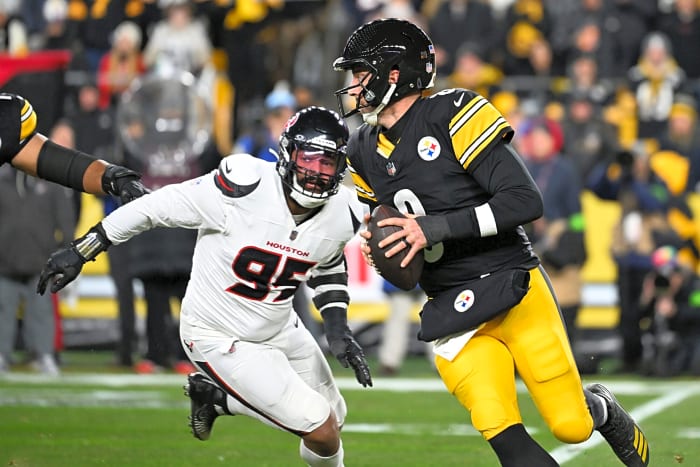
A house with a balloon payment offers a clear comparison: the date matters more than the paint. NFL quarterback “futures” depend on cap accounting and guarantees, not on how a player looks in OTAs or what a coach says at a podium. The NFLPA marketplace tracks QB contract context in real time, giving teams and fans identical information about leverage. Every dollar committed to Rodgers limited spending at other positions while he was on the roster, and dead‑cap charges continued to shape their flexibility after he left. That constraint quietly shaped the roster around him.
Hype vs. Hard Limits
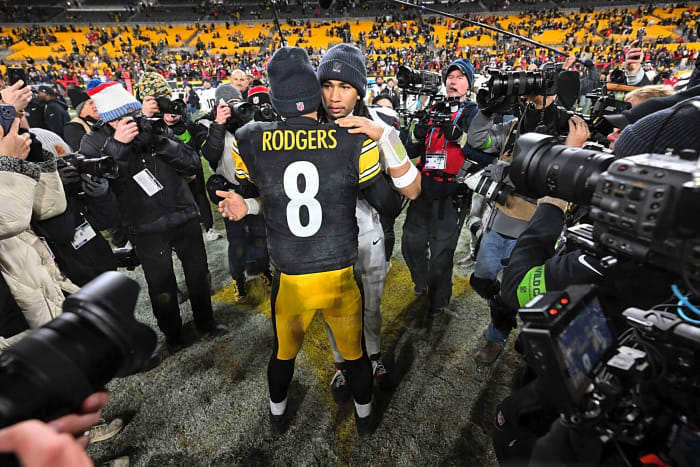
The contrast is sharp. Trade hype lasts. Roster commitment depends on the cap structure. The Jets celebrated the acquisition like a championship. The cap sheet treated it as a depreciating asset with exit clauses. Rodgers’ full career production and awards are publicly documented, but none of that changes the math. A decorated résumé does not reduce a dead-cap charge. The franchise‑defining move and the franchise‑constraining contract sat in the same filing cabinet, but only the contract decided when the Jets moved on in 2025.
The Cost Echoes Beyond Rodgers

The consequences reached beyond one roster spot. Cap allocation at quarterback limited spending at every other position group, and the dead‑cap that followed Rodgers’ release continued to do the same. The Rodgers commitment tested whether he could still play, whether the Jets could build around him while paying him, and whether they could reset once they decided not to. “Future” talk tied to the cap calendar shaped draft speculation and free‑agency moves long before those decisions became official. Other teams watched the same public databases. They knew the decision windows. The Jets’ leverage shrank every time another front office ran the same numbers.
Cap Math Sets the Rules Now

This stretches beyond one quarterback and one team. Public cap literacy is changing how NFL “surprises” work. When every fan with a phone can check dead‑cap figures, the old model of front‑office secrecy disappears. Future rumors map to the next accounting decision date. Patterns are clear: cap‑literate audiences see “surprise” pivots coming. The only question left is why anyone pretends the answer isn’t already published.
The Ledger Dictates the Ending
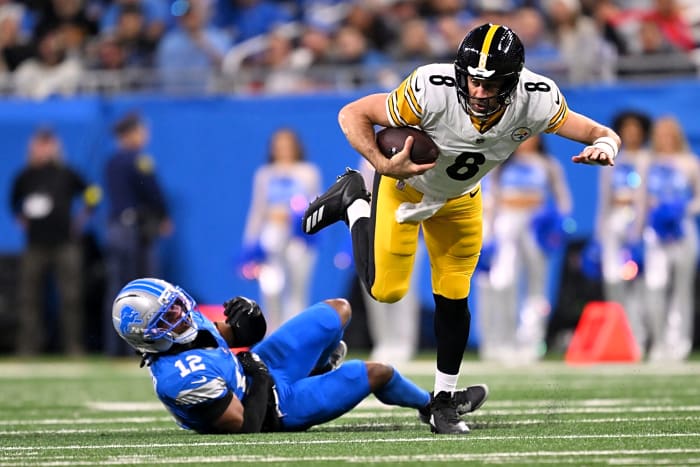
The path with Rodgers and the Jets followed the ledger. Rumor became leverage, leverage became a roster move, and the roster move triggered a complete narrative rewrite when the Jets chose to split with him ahead of the 2025 season. The organization’s statements and timing were one part of the story. The cap calendar and dead‑money math were the other. Fans who understood those mechanics saw the dead‑cap hit coming when the team chose to reset. The clock was financial. Optimism never stopped it.
How to See Moves Coming

Every bar in New Jersey has already had this argument and will keep having versions of it with the next big contract. Most debates focus on a quarterback’s arm, age, or attitude. The cap sheet is the real plot. Guarantees, dead‑cap triggers, and optionality windows shape this story more than any touchdown or interception ever will. Knowing that gives a fan an edge over those still reading aggregated headlines like gospel. The Jets’ biggest moves with Rodgers started at an accountant’s desk, and the spreadsheet was public the whole time.
Sources
New York Jets Official | Jets to Move On from Aaron Rodgers | February 12, 2025
NFL.com | Jets Officially Release Aaron Rodgers; Veteran QB Now a Free Agent for First Time in Career | March 13, 2025
ESPN | Packers Trade Aaron Rodgers to Jets for Multiple Picks | April 23, 2023
Spotrac | New York Jets 2026 Cap Table | March 13, 2026
Over The Cap | Aaron Rodgers Contract Details | Continuously updated
Green Bay Packers Official | Packers QB Aaron Rodgers Wins Fourth NFL MVP Award | February 9, 2022
More must-reads:
- Chiefs acquire Justin Fields lottery ticket amid Patrick Mahomes uncertainty
- Cameron Jordan sends message to Saints about possible reunion
- The '100-rushing-yard Super Bowls' quiz


Customize Your Newsletter
 +
+




Get the latest news and rumors, customized to your favorite sports and teams. Emailed daily. Always free!
PRIVACY POLICY COOKIE POLICY CONTACT US
ABOUT YARDBARKER TERMS OF SERVICE


By using this site, you agree to our Terms of Service and Privacy Policy.
This site is for entertainment purposes only.
There is no gambling offered on this site.
Gambling Problem? Call 1-800-Gambler.
