
-

-


Follow Us
-

 On Facebook
 On Flipboard

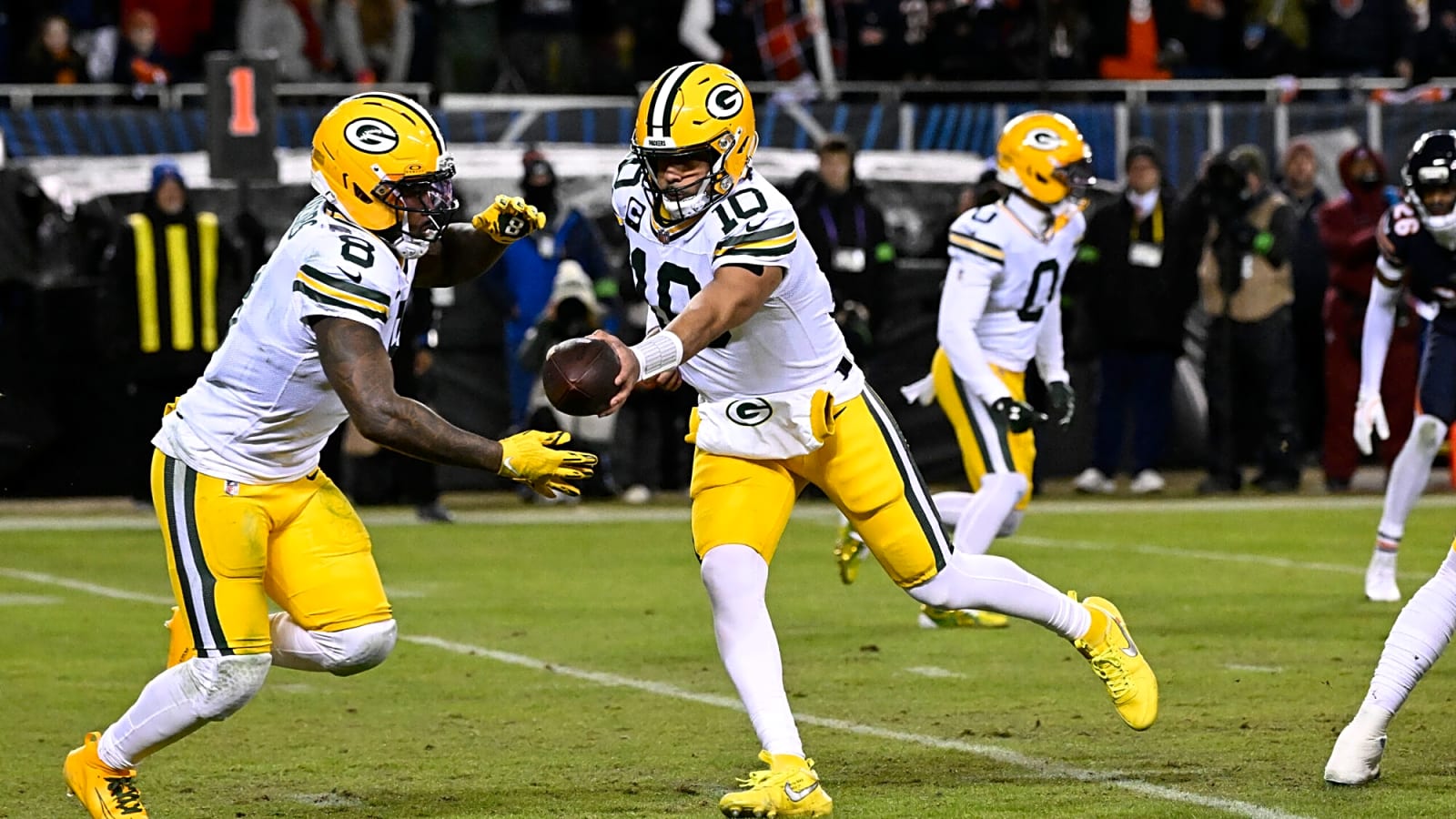
The morning of May 23, police in the Hobart-Lawrence area outside Green Bay responded to a disturbance call shortly after 8:30 a.m. Three days later, the man at the center of it walked into the Brown County Jail. Not a practice-squad hopeful. Not a fringe roster body. The Packers’ starting running back, the one they handed a four-year, $48 million free-agent deal, booked on five criminal charges. One of them classified as a felony. And the details of what allegedly happened inside that home remain sealed.
The Contract They Built Around Him
Green Bay signed Josh Jacobs to a four-year, $48 million deal with a $12.5 million signing bonus, the only fully guaranteed money in the contract. That kind of money still made him the offensive centerpiece. Last season he carried the ball 234 times for 929 rushing yards and 13 touchdowns, forced 47 missed tackles, and caught 36 passes for 282 receiving yards. The Packers didn’t just pay for a running back. They paid for an identity. Now the charge sheet reads: battery, criminal damage to property, disorderly conduct, strangulation and suffocation, and intimidation of a victim.
Five Counts, One Felony
Four of those charges are misdemeanors. The fifth, strangulation and suffocation, is a felony under Wisconsin law. That distinction matters. Wisconsin classifies felonies as crimes carrying potential prison sentences exceeding one year. Legal experts note strangulation is treated as a red-flag offense in domestic-violence cases, strongly correlated with escalation toward lethal violence. Several of the charges carry a domestic-abuse modifier. Most fans assumed an eight-figure contract meant stability. The charge sheet suggests the system that processes these cases doesn’t care what a player earns.
$1,350 Bond for an Eight-Figure Earner
Brown County court records list Jacobs’ bond at $1,350 with a “Body – Mandatory court appearance” designation. Thirteen hundred fifty dollars. For a felony strangulation allegation. Against a man earning eight figures annually. That bond is roughly the cost of two decent lower-bowl tickets and concessions at Lambeau Field. Wisconsin sets bail based on flight risk and public safety, not net worth. But the contrast lands like a gut punch. A multi-million-dollar contract on one line. A four-figure bond on the next.
The Machine That Made This Inevitable
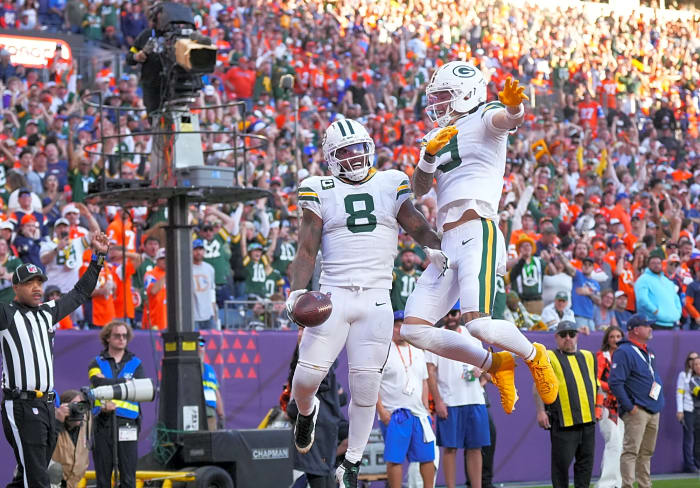
Wisconsin’s mandatory-arrest statute required officers to take Jacobs into custody once they found reasonable grounds to believe domestic abuse occurred. No discretion. No phone call to a team lawyer first. That legal trigger is the first gear in a three-part machine most fans never see. The second gear is the NFL’s Personal Conduct Policy, which operates independently of courts and can punish players on “credible evidence” alone. The third gear is the contract itself, and it may be the coldest part of the whole apparatus.
The Guarantees Already Vanished
Jacobs is set to earn roughly $11.5 million in cash in 2026 and is scheduled for a $12.2 million base salary in 2027, with a cap hit north of $16 million that final year. None of that future money carries remaining guarantees beyond the original signing bonus already paid. The Packers front-loaded the deal, paid the $12.5 million signing bonus upfront, and structured the back end so they could walk away clean. It’s like financing a truck with no warranty past year one. If something breaks, the buyer absorbs the loss. In this case, the buyer is the player, and the breakdown happened off the field.
Six Games, Maybe More

The NFL’s Personal Conduct Policy sets a baseline six-game suspension without pay for first-time domestic-violence violations. Six games out of seventeen represents roughly 35 percent of a season. At Jacobs’ production rate, that projects to approximately 328 rushing yards and five touchdowns the Packers would need to replace. But the league has suspended players before criminal cases resolve, and the Commissioner’s Exempt List could sideline him indefinitely. Green Bay’s depth chart just became the front office’s most urgent problem heading into training camp.
The Myth That Never Died

After the Ray Rice scandal, the NFL promised transformation. Academic research tells a different story. A Lynchburg University study found that average domestic-violence suspensions hovered around four games, comparable to substance-abuse violations. The league paints “Inspire Change” and “Choose Love” in end zones while historical data shows punishment lengths barely moved. Once you see how police mandates, league policy, and contract economics interlock, Jacobs’ arrest stops looking like an isolated shock. It looks like a stress test the system was always going to face again.
Three Voices, Zero Answers

Attorneys David Chesnoff, Richard Schonfeld, and Clarence Duchac issued a joint statement: “Josh vehemently denies the allegations, and this matter is in the early stages of investigation with important evidence that has not yet been made public.” They asked for “fairness and restraint.” Hobart-Lawrence Police Chief Michael Renkas called the investigation “active and ongoing” and released nothing further. The Packers acknowledged awareness and declined comment. Three institutional voices. Three versions of silence. Meanwhile, prosecutors weigh whether to escalate, and the NFL’s conduct investigators face a clock with no public deadline.
What Happens When the System Absorbs Another One

Whatever discipline emerges from Jacobs’ case becomes the new reference point. Reinforce the six-game baseline or push harder. Place him on the exempt list or let the courts run first. Every choice sets precedent for the next star who gets booked on domestic charges. The alleged victim and family members face emotional and legal fallout regardless of outcome. The system absorbs, adjusts its messaging, and moves on. Fans who understand the machinery now know something most people sitting in those lower-bowl seats never will. If the league hands Jacobs the standard six games, is that justice, a slap on the wrist, or proof the system still protects the star? Tell us where you land in the comments.
More must-reads:
- Chiefs' Travis Kelce sends fun warning to Patrick Mahomes after latest business decision
- Shedeur Sanders gets more bad news in Browns' QB competition
- The '3 3-pointer, 3-block Playoff games' quiz
Breaking News
Trending News


Customize Your Newsletter
 +
+




Get the latest news and rumors, customized to your favorite sports and teams. Emailed daily. Always free!
PRIVACY POLICY COOKIE POLICY CONTACT US
ABOUT YARDBARKER TERMS OF SERVICE


By using this site, you agree to our Terms of Service and Privacy Policy.
This site is for entertainment purposes only.
There is no gambling offered on this site.
Gambling Problem? Call 1-800-Gambler.
