
-

-


Follow Us
-

 On Facebook
 On Flipboard
 On Twitter

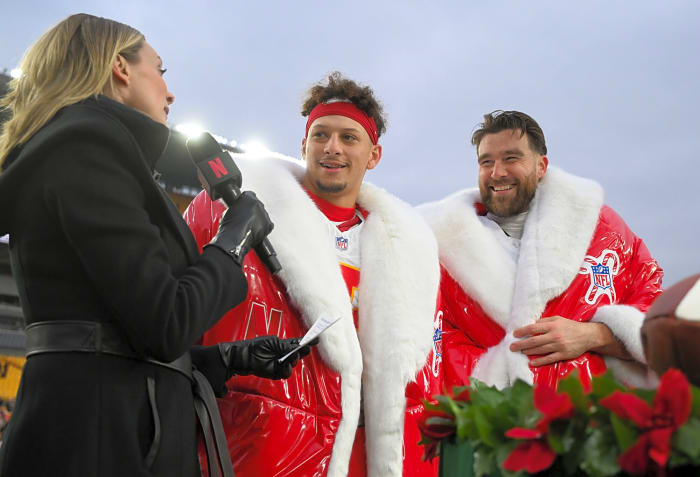
A federal courtroom in Manhattan. A sneaker company nobody expected to see there. And a legal filing that asked a judge to do something extraordinary: shut down Patrick Mahomes and Travis Kelce’s Kansas City steakhouse, effective immediately. The emergency motion sought a full operational shutdown of 1587 Prime, a ban on all use of the “1587” mark, and the branding revenue to be placed in escrow. Two NFL superstars, a nearly 250-seat restaurant, and a four-digit number worth fighting over in federal court.
The Number
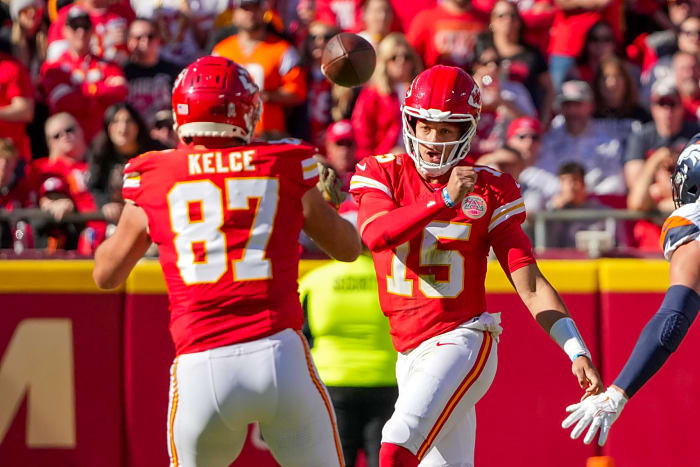
The name “1587” combines Mahomes’ jersey number 15 and Kelce’s 87. The restaurant opened on September 17, 2025, on Mahomes’ 30th birthday, inside the Loews Kansas City Hotel. But 1587 Sneakers had been selling shoes under that same number since April 2023, more than two years earlier. The brand was founded to celebrate Asian-American culture, referencing 1587 as the year Filipinos first arrived in North America. Two completely different businesses. One identical trademark. And the sneaker company got there first.
The Gap

Most people assume the first company to use a name owns it. That assumption just got tested. 1587 Sneakers used the mark first but waited 31 months to file a federal trademark application, not submitting until October 2025. Mahomes and Kelce’s group filed in December 2023, just eight months after the sneakers hit shelves. By February 6, 2026, the USPTO registered “1587 Prime Steakhouse.” The sneaker company’s application was still under review. Filing speed had already rewritten the scoreboard.
The Denial
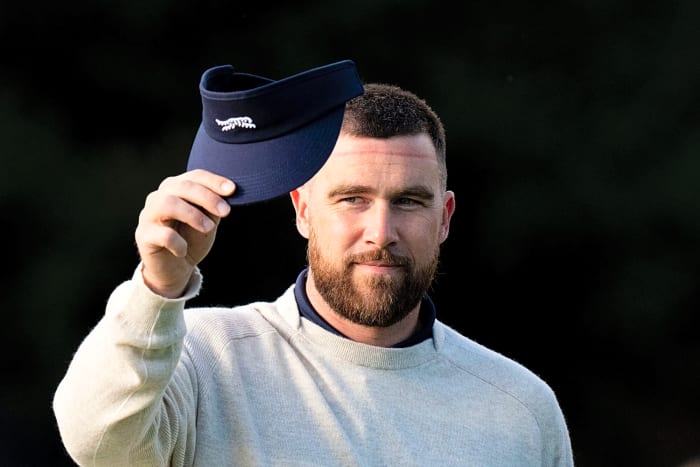
U.S. District Judge Naomi Reice Buchwald denied the emergency shutdown on March 2, 2026. Improper venue. No advance notice to defendants. And the timing: 1587 Sneakers waited approximately five months after the restaurant opened before seeking emergency relief. Five months. Then called it urgent. That contradiction gutted the motion. The restaurant survived the gavel. 1587 Prime remains fully operational, serving wagyu and wine while the broader lawsuit crawls toward trial, potentially lasting 12 to 18 months.
The System

Emergency relief requires procedural perfection, not just a strong legal argument. Proper venue. Proper notice. Proof of imminent harm. 1587 Sneakers missed all three. The filing landed in a Manhattan courtroom, even though both parties operate out of Kansas City and national markets. No advance legal notice was served on the defendants before the complaint hit the docket. The system doesn’t ask who deserves to win. It asks who followed the rules. Celebrity-backed ventures with rapid legal infrastructure can outrun smaller brands on procedure alone.
The Irony

Co-founder Adam King told ESPN: “From the onset, we have communicated a sincere belief that there is room for mutual respect and understanding. That belief has not changed, and we continue to hope to resolve this matter amicably.” That statement ran in February 2026. The same month his company filed for an emergency shutdown, a total marketing ban, and escrowed branding revenue. Mutual respect and a federal kill shot, filed simultaneously. The rhetoric pointed in one direction. The legal strategy pointed the opposite.
The Cost
1587 Sneakers appeared on Shark Tank Season 16, seeking $100,000 for 15.87% equity, implying a valuation around $630,000. No investor bit. Now the company faces a federal trademark lawsuit that could cost hundreds of thousands of dollars in legal fees, with no guarantee of an outcome. Meanwhile, 1587 Prime operates without revenue disruption, building brand loyalty every night it stays open. Every month of trial delay compounds the restaurant’s disadvantage. The company that couldn’t secure venture capital on national television is now burning resources against NFL money.
The Precedent
Trademark attorney Josh Gerben told ESPN this is “a tough case for the sneaker company” because “trademarks can coexist in different industries.” That framing reveals something larger. Judge Buchwald’s ruling now establishes that emergency trademark motions require proof of emergency, not just legal merit. The venue must be established before a TRO is considered. Failure to provide advance notice weighs against the plaintiff. Every small brand watching this case just learned the same lesson: filing first matters more than using first.
The Door

The judge didn’t kill the lawsuit. She blocked the shortcut. 1587 Sneakers can refile with corrected jurisdictional pleadings, properly serve the defendants, and pursue the case on full merits. The company’s attorney, Ezra Salami, declined to provide evidence of consumer confusion to ESPN but signaled it would surface at trial. The threat hasn’t vanished. It’s just slower now. And other small brands may face higher procedural barriers when seeking emergency relief.
The Race
Here is what most people will miss about this case. 1587 Sneakers sold shoes for 31 months before filing a federal trademark. In that window, a celebrity-backed restaurant filed, opened, and secured federal registration. The legal system didn’t ask who built the brand first. It asked who registered first. That distinction now separates companies that survive emergency motions from companies that lose them. Anyone launching a brand who reads this and doesn’t file a federal trademark application tomorrow is making the same bet 1587 Sneakers made.
Sources
“Patrick Mahomes, Travis Kelce sued for trademark infringement.” ESPN, 20 Feb 2026.
“Patrick Mahomes, Travis Kelce sued by sneaker company over 1587 trademark.” USA Today, 21 Feb 2026.
“1587 SNEAKERS Files Suit Over Kelce, Mahomes’ 1587 PRIME.” The Fashion Law, 17 Feb 2026.
“Travis Kelce, Patrick Mahomes’ 1587 Prime gets small victory in trademark fight.” Yahoo Sports, 5 Mar 2026.
More must-reads:
- Insider shares notable update on Shedeur Sanders' status with Browns
- Travon Walker's contract extension could be long-term steal for Jaguars
- The 'Rushing-TD leaders by NFL team' quiz
Breaking News
Trending News




Customize Your Newsletter
 +
+




Get the latest news and rumors, customized to your favorite sports and teams. Emailed daily. Always free!
PRIVACY POLICY COOKIE POLICY CONTACT US
ABOUT YARDBARKER TERMS OF SERVICE


By using this site, you agree to our Terms of Service and Privacy Policy.
This site is for entertainment purposes only.
There is no gambling offered on this site.
Gambling Problem? Call 1-800-Gambler.
