
-

-


Follow Us
-

 On Facebook
 On Flipboard
 On Twitter
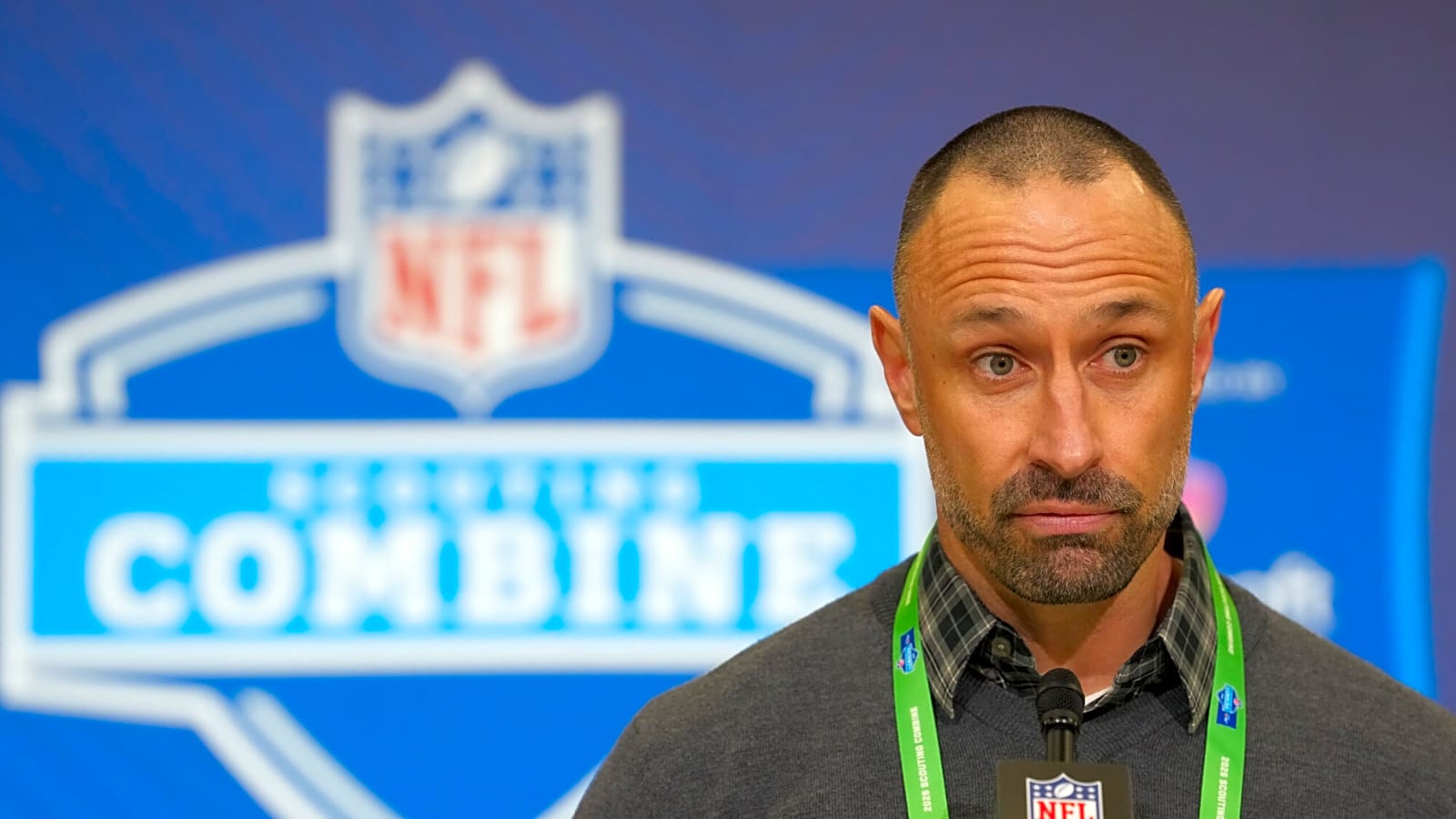
There’s a version of this story where everything is fine. Troy Aikman sits in the Monday Night Football booth, calls games with Joe Buck like he always does, and his quiet work with the Miami Dolphins front office stays in the background where nobody looks too hard. That version is convenient for ESPN, comfortable for the NFL, and exactly what both organizations are hoping you’ll accept. But Aikman told the “Rodeo Time” podcast in March 2026 that he plans to stay involved with the Dolphins “in some capacity” going forward, and that single sentence turned what was supposed to be a one-time consulting arrangement into a live, open-ended conflict of interest sitting at the center of the league’s most-watched weekly broadcast.
He Torched Them on Air — Then Took Their Job Days Later
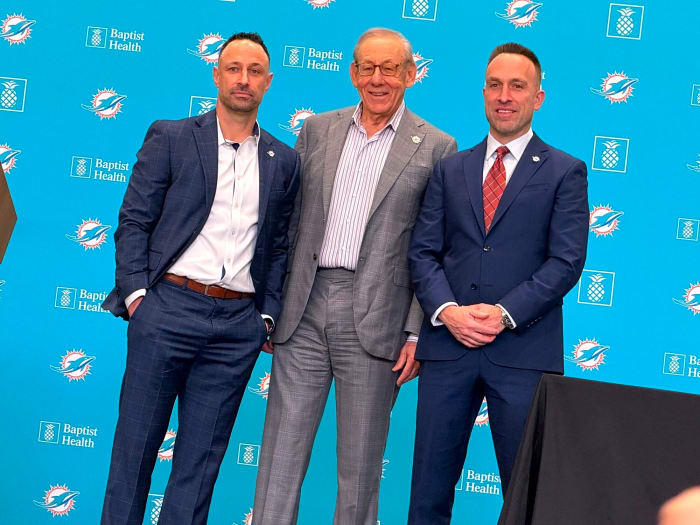
Late December 2025. Aikman was behind the ESPN microphone calling a Dolphins-Steelers Monday Night Football game in Week 15. Miami was getting torched. Aikman called their fourth-quarter approach “about as ridiculous a fourth quarter as I’ve seen in a long time” and said he was “flabbergasted” by what he was watching. Nobody flagged it as unusual. Analysts criticize losing teams. Then, on December 31, ESPN reported that the Dolphins had brought Aikman on as a consultant to help find their new general manager. Suddenly, those comments carried a different weight — not because Aikman was advising Miami during the game, but because a broadcaster who publicly hammered a team’s performance was simultaneously working behind closed doors to help shape that team’s future. The Dolphins hired Jon-Eric Sullivan as their new GM on January 9, 2026, with Aikman reportedly a strong advocate for the hire. And when asked in March whether the advisory role was over, Aikman said it wasn’t.
ESPN’s Non-Answer That Was Designed to End the Conversation

ESPN moved fast when the story broke. A spokesperson told reporters that Aikman’s advisory role “doesn’t interfere with his responsibilities with us. His schedule remains unchanged.” Clean sentence. Designed to close a conversation. Aikman was in the ESPN booth for a Seahawks-49ers playoff game the same weekend the story landed. But then he kept talking publicly. His March 2026 podcast comments made clear this wasn’t a closed chapter. The Dolphins haven’t specified what his ongoing role looks like. The NFL, asked directly by Pro Football Talk, gave its own tidy non-answer: the league “would address this at the appropriate time.” That’s not a policy. That’s a delay tactic wearing a suit.
The NFL Built Strict Brady Rules Then Quietly Shredded Them

The NFL has already dealt with a version of this, and they blinked. When Tom Brady became a minority owner of the Las Vegas Raiders while broadcasting for Fox, the league imposed formal restrictions, the so-called “Brady Rules.” No production meetings. No access to opposing team facilities. No public criticism of officials or other clubs. Those restrictions were strict enough to raise real questions about whether Brady could do his job at all; his broadcast partners had to relay production meeting information back to him. By the 2025 season, the rules had already been softened: Brady could attend meetings remotely, and key restrictions were dropped entirely. Brady dismissed anyone who saw a conflict as “blinded by distrust.” The league found the loophole and called it compliance. The trajectory was perfectly predictable: announce strict rules, quietly unravel them, declare it resolved.
Ownership Gets Regulated. Influence Gets a Free Pass

Brady owns a piece of a team. That’s a financial stake — formal, documented, approved by the other 31 owners. Aikman’s arrangement is something else entirely. He was brought in as an unpaid advisor during the Dolphins’ GM search, working to help identify their next front-office hire. He advocated for their eventual pick from the inside. And now he says he’s staying on. Nobody’s calling it ownership, but Aikman has a relationship with a franchise he covers, has formed opinions about their personnel decisions while in the room, and is about to enter a season when Miami will show up on the Monday night schedule, as every team does. Awful Announcing made the comparison directly in January 2026: what Brady did, and what Aikman is continuing, is a conflict of interest. Ownership is regulated. Influence isn’t. That gap is exactly where both men have made themselves comfortable.
The NFL Now Owns a Piece of ESPN. So Who’s Watching Who?
ESPN signed Aikman to a deal reportedly worth around $90 million over five years — per the New York Post’s reporting at the time of signing — making him one of the highest-paid analysts in sports television. He and Joe Buck will enter their 25th season together in 2026; ESPN’s own press room confirmed that milestone, noting the pair are set to call Super Bowl LXI to cap it. That partnership isn’t just a broadcast arrangement. It’s the identity of Monday Night Football. In August 2025, ESPN and the NFL deepened their entanglement further: ESPN acquired NFL Network and NFL RedZone in exchange for giving the NFL a 10% equity stake in the network — a stake Disney’s own 10-Q filing values at roughly $3 billion based on ESPN’s $30 billion valuation. Dan Patrick said it plainly when that equity deal was announced — speaking about the broader media arrangement, not specifically about Aikman, but the logic lands the same way here: “The NFL has probably owned a lot of ESPN for a long period of time. It’s just not official, that’s all.” Ask yourself who’s supposed to force the issue on Aikman’s Dolphins role when the league owns a $3 billion slice of the network that employs him.
Locked Through 2033 — and That Explains Every Soft Answer

The NFL’s media distribution agreements run through the 2033 season. That’s not background information, that’s the whole frame. Every decision about booth personnel, broadcaster access, and how aggressively networks push back on league preferences gets filtered through that runway. The rights cycle is the answer to every question about why enforcement stays vague and why “we’ll address it at the appropriate time” reads as sufficient to the people saying it. Rights stability through 2033 means both ESPN and the NFL have enormous financial incentives to keep the current arrangement functioning smoothly, avoid public disputes over broadcaster conduct, and protect the MNF product. One ugly news cycle about Aikman’s Dolphins ties is a manageable PR problem. A booth overhaul mid-contract is not. So the calculus is simple: absorb the criticism, issue a non-answer, and wait for the next story to change the subject.
The Hall of Fame Badge Doesn’t Make the Conflict Disappear

There’s a myth baked into sports media that certain voices are too big to question. Aikman’s Hall of Fame status, his three Super Bowl rings with Dallas, his two-plus decades at Fox before joining ESPN — all of it creates an aura of permanence around the booth he occupies. He is, by any reasonable measure, one of the most credible analysts the game has ever put behind a microphone. But credibility isn’t a possession. It’s a condition, and it requires the appearance of independence, not just the intention. When ESPN announced his signing in March 2022, the press release called him “the new analyst for Monday Night Football.” That phrasing acknowledged he was filling a role, not inheriting a throne. Roles come with obligations. Right now, Aikman has a relationship with Miami’s front office that he himself says isn’t over. The Hall of Fame credential doesn’t dissolve that; it actually raises the stakes, because the more credible the voice, the more damage done when that voice has a quiet rooting interest. Which brings you directly to the viewer sitting at home on Monday night, who has no idea any of this is happening.
What You Actually Lose When the Booth Has a Side

The MNF booth is the most visible piece of weekly prime-time NFL coverage. When it works, it’s invisible — the analysis flows, the criticism is credible, and viewers trust that the man behind the microphone is calling what he sees, not protecting what he’s built. That trust doesn’t survive disclosure; it survives the absence of anything to disclose. Aikman called the Dolphins’ fourth quarter “ridiculous” in December. A week later, he was working for the Dolphins’ ownership group. When the 2026 season kicks off, and Miami ends up on a Monday night game, and they will, viewers will watch Aikman analyze that team knowing he has a relationship with the front office that assembled it. They can decide for themselves what to make of that. But they didn’t get to decide whether ESPN or the NFL should have told them sooner. They just got “his schedule remains unchanged.”
Here’s the Call the NFL Won’t Make, But Should

The NFL will “address it at the appropriate time,” which means whenever it becomes impossible not to, a controversial call on a Dolphins game, a report that won’t quiet down, a beat reporter asking the right question at the wrong moment. Until then, everyone keeps their seat. The Brady precedent proved the league builds rules when forced and dissolves them when convenient. Aikman should not call Miami Dolphins games while he maintains an advisory relationship with that franchise. ESPN should either bench him for those games or end the arrangement. Those are the two honest choices. “His schedule remains unchanged” is not a third option… it’s ESPN and the NFL deciding that your ability to trust Monday Night Football is worth less than the business relationship that funds it.
Sources:
Troy Aikman to advise Dolphins on GM search process” — ESPN
“Troy Aikman says he’ll continue working with Miami Dolphins in consulting role” — Awful Announcing
“NFL would address Troy Aikman’s work for the Dolphins ‘at the appropriate time'” — NBC Sports / Pro Football Talk
“Tom Brady Rules end. NFL to allow Fox analyst to attend meetings” — The Athletic
“ESPN to get NFL Network, rights to RedZone from NFL for equity stake” — ESPN Press Room
“The Duo at 22 in ’23: Joe Buck and Troy Aikman Set to Become NFL’s Longest Pair” — ESPN Press Room
More must-reads:
- Five teams that should consider NFL Draft trades
- Insider shares notable update on Shedeur Sanders' status with Browns
- The 'Rushing-TD leaders by NFL team' quiz
Breaking News
Trending News



Customize Your Newsletter
 +
+




Get the latest news and rumors, customized to your favorite sports and teams. Emailed daily. Always free!
PRIVACY POLICY COOKIE POLICY CONTACT US
ABOUT YARDBARKER TERMS OF SERVICE


By using this site, you agree to our Terms of Service and Privacy Policy.
This site is for entertainment purposes only.
There is no gambling offered on this site.
Gambling Problem? Call 1-800-Gambler.
