
-

-


Follow Us
-

 On Facebook
 On Flipboard
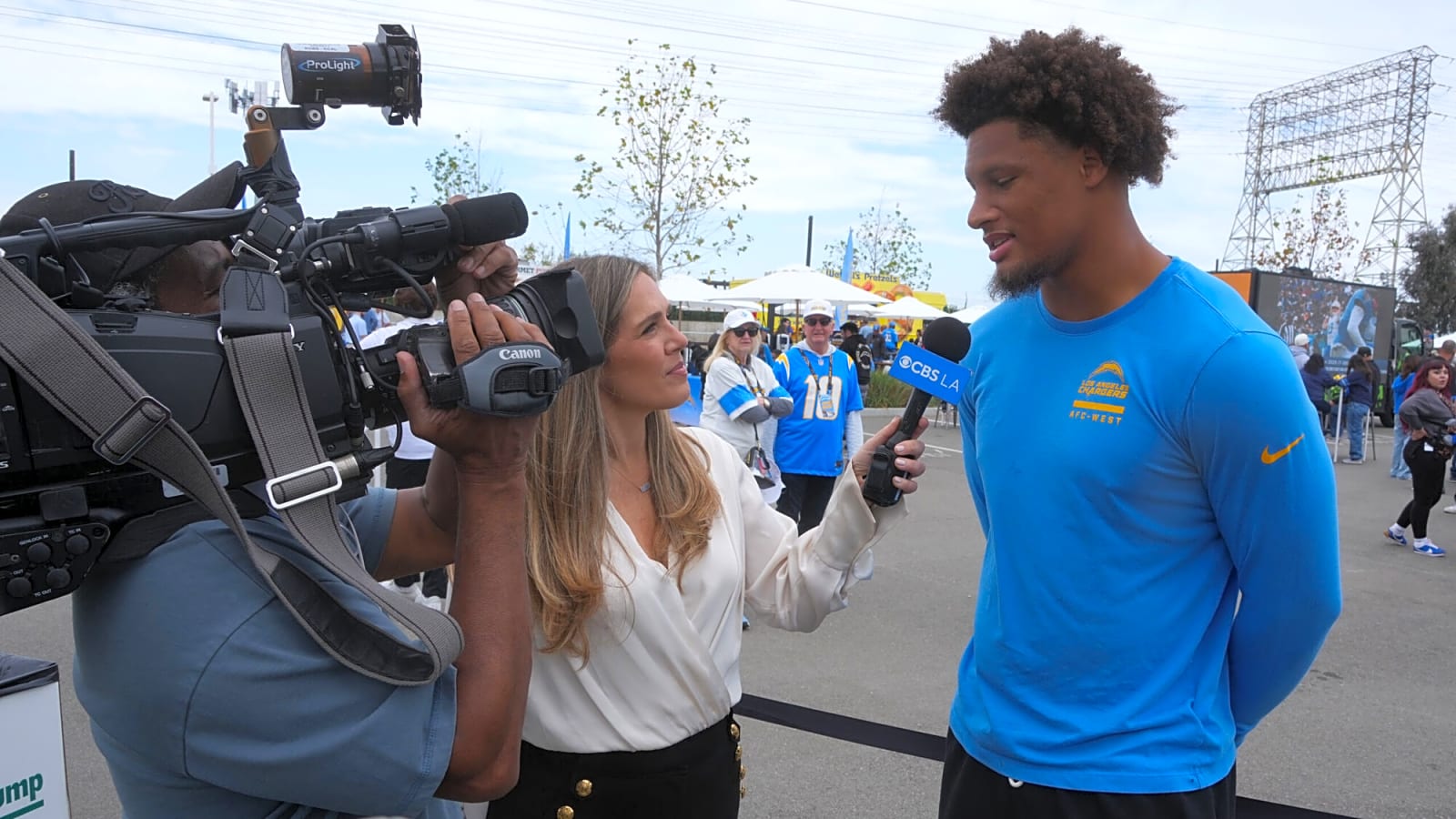
The 2026 NFL Draft selected 58 wide receivers and tight ends, tied for the most in any seven round draft. It was a benchmark last matched in 1994. And while pass catchers flew off boards in Pittsburgh from April 23 to 25, eight franchises walked away with critical positions unaddressed. Centers. Edge rushers. Cornerbacks. Baltimore, Arizona, Indianapolis, New York, Cincinnati, New Orleans, San Francisco, and Kansas City all left with rosters full of holes.
The Receiver Arms Race Starved Every Other Position
When 58 pass catchers come off the board, every other position group gets compressed. Teams that needed defensive linemen, centers, or safeties watched their targets evaporate as franchises stockpiled receivers and tight ends. Arizona identified offensive line, quarterback, and safety among their top needs. Then the Cardinals drafted running back Jeremiyah Love at No. 3 overall. That disconnect repeated across the league, franchise after franchise.
Surprise Picks That Warped The Board

The top of the draft produced shock value nobody modeled cleanly. Quarterback runs forced need based teams to reach on defense, and receiver runs punished teams waiting on value at other positions. By the middle of Round 1, several clubs had already abandoned their pre draft boards and pivoted to pure best available philosophies. That pivot is what turned a heavy receiver class into a league wide problem at center, edge, and safety.
Your Team’s Grocery Bill Just Changed

Baltimore lost Pro Bowl center Tyler Linderbaum in free agency. Then the Ravens made 11 draft picks. Zero centers. Baltimore now leans on backup Danny Pinter as its placeholder at the most critical interior line position. Indianapolis let veteran pass rushers walk, then drafted edge help only in the later rounds. Cincinnati added little to the middle of their defense despite having linebackers queued on their board. Training camp opens in four to five weeks.
Front Offices Scramble Into Panic Mode
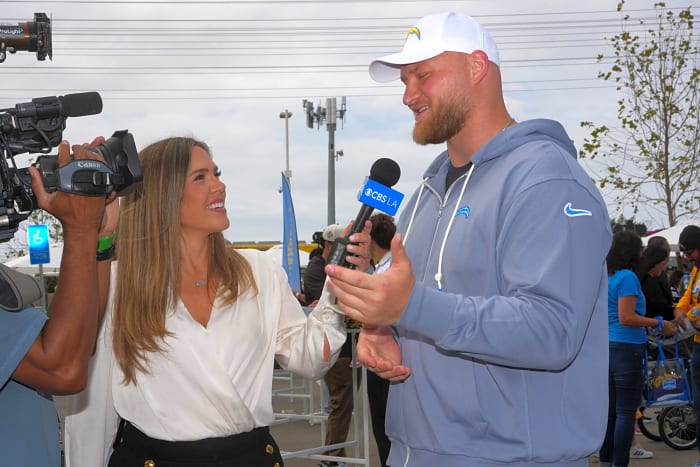
New Orleans went into the draft planning to take a cornerback early. It did not work out. Days later, the Saints signed former Browns cornerback Martin Emerson Jr. in reactive free agency. Multiple teams are now competing for the same shrinking pool of veterans at center, edge rusher, and cornerback. Demand spiked. Supply did not. The remaining free agents know exactly how desperate these front offices are, and their asking prices reflect it.
The Draft Broke Positions Nobody Expected

San Francisco needed defensive front help, safety depth, and offensive line reinforcement. The 49ers did not fully resolve any of it and head into summer with multiple positional voids despite being active in free agency. Kansas City still faced glaring needs after its early selections, with defensive end topping the remaining list. The reigning dynasty is still hunting pass rushers. The receiver gold rush reached franchises with Super Bowl infrastructure, not just rebuilders.
The System Behind the Collapse
Every one of these failures traces to the same structural breakdown. Free agency created holes. The draft was supposed to fill them. The 58 receiver and tight end run compressed value at every other position, forcing reactive picks that contradicted teams’ own stated plans. Then post draft free agency became the emergency backup plan. Three layers of roster construction, all failing in sequence. Receivers flood the board. Centers vanish. Edge rushers thin out.
Eric DeCosta Said The Plan Was Centers
Baltimore general manager Eric DeCosta spoke before the draft about the Ravens’ ability to find a center through the draft process, citing the franchise’s track record at the position. Then Baltimore made 11 selections and took zero centers. Giants wide receiver Malik Nabers’ visible frustration during the draft simulcast became one of the event’s viral moments, as his front office stacked defenders at positions where the team already rostered depth. Players can see what fans can see.
Winners Who Got It Right

Not every team whiffed. Dallas drafted a do it all secondary piece and stockpiled additional Day 3 capital by trading down. Houston upgraded both trenches with multiple line picks and a legitimate run stuffer in the middle rounds. The New York Giants, under first year coach John Harbaugh, landed a hybrid pass rusher in Round 1 who drew strong reviews from national evaluators. These clubs entered the draft with clear plans and largely executed them without chasing the receiver run.
Fantasy Football Fallout
Tennessee’s new outside receiver becomes a top target earner immediately, vaulting him into fantasy relevance from Week 1. Philadelphia’s Round 2 receiver inherits meaningful target share if A.J. Brown’s situation shifts after June 1. Incumbents such as Jalen Nailor and Tre Tucker benefit from where competition did and did not land. Tight end landing spots matter too, because the historic 2026 class pushed several rookies into immediate starting roles on pass heavy offenses.
The Rookie of the Year Picture
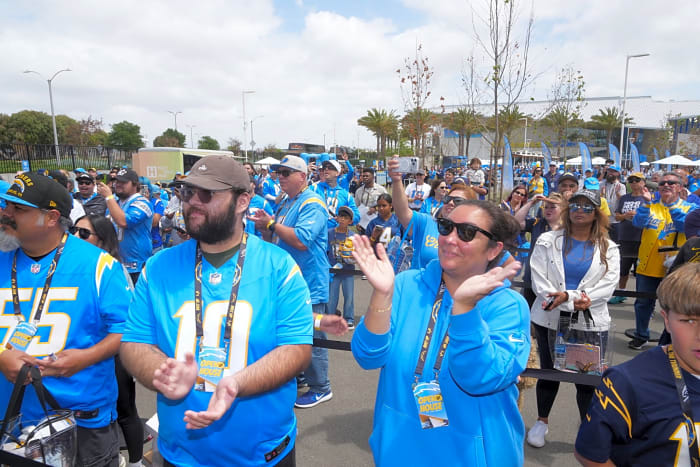
Pass catchers dominate early Offensive Rookie of the Year boards given the historic class size. Every NFL draft since 2019 has produced at least one rookie wide receiver with 1,000 or more receiving yards. Last year, Tetairoa McMillan hit 1,014. The 2026 environment, with 36 wideouts drafted and a loaded tight end group behind them, suggests multiple serious candidates rather than a single runaway favorite. Defensive ROY odds, meanwhile, tilt toward the top edge prospects who slid into strong situations.
Teams Without First Round Picks Paid Twice
Six teams entered the 2026 draft without first round selections because of prior trades. Denver, Atlanta, Indianapolis, Green Bay, Jacksonville, and Cincinnati were all on that list. Several of them, Indianapolis and Cincinnati especially, are among the eight teams with unaddressed holes. Missing a Day 1 selection magnified every positional run that followed on Day 2, and Day 3 value could not bail them out at center, edge, or cornerback.
Trade Activity Reshaped Day 2
Round 2 and Round 3 saw a spike in trades that reshaped team needs in real time. The ripple effects from earlier blockbusters involving marquee veterans continued to redistribute picks across the league, concentrating firepower with a handful of franchises. Teams that arrived with extra capital from prior deals could absorb the receiver heavy environment. Teams that arrived without it got squeezed, exactly the pattern now visible in the post draft rosters of the eight most exposed clubs.
Who Wins, Who Loses, Who Pays

Veteran free agents at center, edge rusher, and cornerback are now among the most valuable commodities in football. Late round rookies in Indianapolis and Baltimore face starting roles before they are ready because front offices whiffed. General manager job security gets shaky fast. Chris Ballard in Indianapolis, Joe Schoen in New York, and John Lynch in San Francisco all face scrutiny if early season losses pile up. Teams that completed rosters during free agency gained a competitive edge without lifting a finger in April.
The 2027 Draft Already Looks Different
By October, expect mid season trades as the eight exposed teams sell future draft capital to patch holes they should have filled this month. That means weaker 2027 classes for franchises already behind on roster construction. If receiver heavy drafting becomes a pattern, scouting departments will shift evaluation models toward positions where talent is drying up, particularly center, edge, and safety. The 2027 board may look nothing like the one teams built for 2026.
The Cascade Keeps Breaking

Indianapolis needs edge production opposite Laiatu Latu with almost no veteran support behind him. Baltimore needs a backup turned starter scenario to work at center from day one. The draft did not solve rosters. It postponed problems and created new ones. The 2026 season has not started, and eight teams are already playing from behind. The cascade from 58 pass catchers just reached next year’s draft board, and the front offices that ignored the warning signs will pay for it twice.
Which of these eight teams do you think will regret their 2026 draft the most by Thanksgiving, and who is the one general manager you would fire first if the losses start stacking up?
Sources:
ESPN, “2026 NFL Draft: Biggest Postdraft Questions For All 32 Teams,” April 26, 2026
NFL.com, “Offseason Checklist For All 32 NFL Teams: What Did The Draft Cross Off And What’s Left To Do,” April 28, 2026
CBS Sports, “Biggest Remaining Need For Every Team With NFL Draft Approaching,” March 22, 2026
Sports Illustrated, “2026 NFL Draft By The Numbers: What Positions, Conferences And Schools Had The Most Players Picked,” April 25, 2026
Sharp Football Analysis, “NFL Draft Order 2026: Full Picks And Draft Results For All 32 Teams,” April 24, 2026
Baltimore Ravens Official Site, “Contingency Plans In Free Agency And The Draft If Tyler Linderbaum Leaves,” March 16, 2026
More must-reads:
- Chiefs provide major Patrick Mahomes injury update
- This John Harbaugh decision could define the Giants' season
- The 'No.2-overall NFL Draft picks' quiz
Breaking News
Trending News




Customize Your Newsletter
 +
+




Get the latest news and rumors, customized to your favorite sports and teams. Emailed daily. Always free!
PRIVACY POLICY COOKIE POLICY CONTACT US
ABOUT YARDBARKER TERMS OF SERVICE


By using this site, you agree to our Terms of Service and Privacy Policy.
This site is for entertainment purposes only.
There is no gambling offered on this site.
Gambling Problem? Call 1-800-Gambler.
