
-

-


Follow Us
-

 On Facebook
 On Flipboard
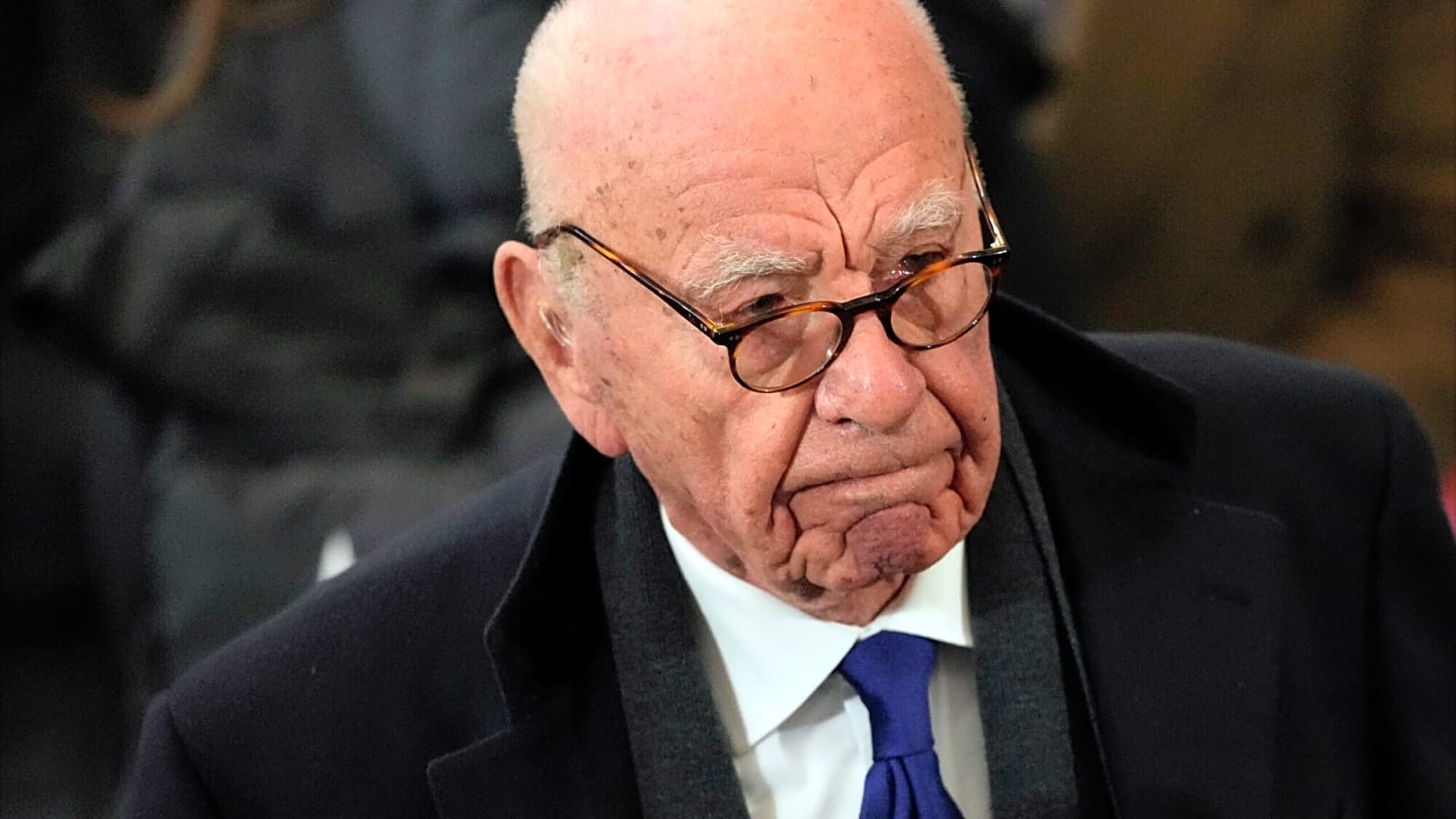
Lachlan Murdoch stepped to the earnings call podium in February 2026 and told investors exactly what they wanted to hear. Fox felt “pretty comfortable” about its sports business. The NFL wanted new deals done by September. Five broadcast partners. $10 billion a year on the table. And the league wanted more. A lot more. Murdoch spoke like a man holding cards. Wall Street listened, nodded, and within four weeks did something that should have made him flinch. The downgrade landed before the ink on his transcript dried.
The $5.9 Billion Gap
MoffettNathanson projected the NFL’s new media rights target at $15.9 billion annually. The current deal pays $10 billion. That $5.9 billion gap represents a 58% increase spread across Fox, CBS, NBC, ESPN, and Amazon. Fox currently pays $2.25 billion for the NFC Sunday package. CBS pays $2.1 billion. ESPN leads at $2.7 billion. Every partner faces a reckoning, but the league compressed the timeline to months, not years, targeting completion by September 2026. That deadline turned routine renegotiation into a financial sprint with no water stations.
The Grenade in CBS’s Contract
Most people assume corporations like Fox negotiate from strength. The NFL dismantled that assumption years ago. It embedded a change-of-control clause in CBS’s contract, dormant until the Paramount/Skydance merger triggered it. Suddenly CBS faced an opening demand of roughly $3 billion annually, up from $2.1 billion. That $900 million jump wasn’t negotiated. It was activated. And the NFL planned to close CBS first, then use that price as the benchmark for Fox. Each network watches the previous one fold, then folds faster.
Comfortable, Then Downgraded
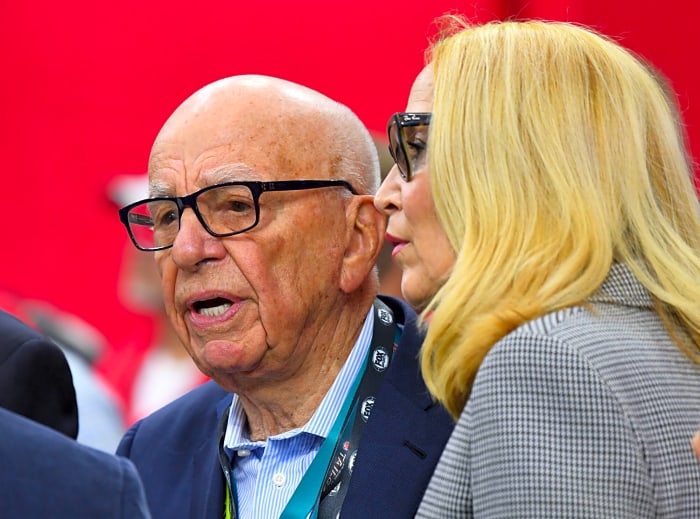
Murdoch told investors Fox would “certainly consider balancing or rebalancing our portfolio.” Confident. Measured. Strategic. Four weeks later, Bank of America downgraded Fox from “buy” to “underperform,” writing that accelerated NFL negotiations would “immediately place financial and strategic pressure on Fox.” The CEO projected mastery. The market priced in capitulation. That four-week gap between confidence and downgrade is the entire story compressed into a single contradiction. Murdoch wasn’t blindsided by the NFL’s demands. He was blindsided by how fast Wall Street stopped believing him.
The Trap Nobody Escapes

The NFL engineered something more sophisticated than a price hike. Sequential negotiations eliminate collective pushback. Equity stakes in ESPN and Paramount create financial interdependency. Four game windows freed from the NFL Network sale give the league fresh inventory to dangle before Netflix and YouTube. If Fox walks, the cable bundle collapses because retransmission fees depend on NFL content being present. Like a credit card company raising rates on customers who can’t close their accounts. Fox needs football more than football needs Fox.
The Numbers That Prove It
CBS averaged a record 21.25 million viewers per game in 2025, with the 4:30 p.m. window ranking as the most-watched timeslot on any network. Netflix’s Christmas Day game averaged 27.5 million viewers. Streaming hit 44.8% of total U.S. TV viewership in May 2025, exceeding linear for the first time. Every number strengthens the NFL’s hand. Record audiences mean record leverage. Bank of America named Fox “most exposed” to rights cost escalation, projecting roughly a 22% downside risk to Fox’s fiscal 2027 earnings before the NFL deal is even finalized.
Who Bleeds Next

Analysts warn that billions annually could drain from scripted television, film development, and non-football sports rights as networks redirect budgets toward the NFL. Fox’s MLB contract runs through 2028. Analysts at Bank of America and Front Office Sports placed baseball squarely on the chopping block. Murdoch’s “rebalancing” language was decoded instantly: sell the guest house to pay the mortgage. MLB, NHL, and other sports properties face depressed valuations because the networks that bid on them are hemorrhaging cash into one sport. Football is cannibalizing everything around it.
The New Rule of Media

This stopped being about one renegotiation. Change-of-control clauses are now recognized as hidden leverage weapons in media contracts. Every future merger will trigger a contract review for dormant exit clauses. The NBA secured roughly $6.9 billion annually for its new 11-year deals despite smaller audiences, and the NFL viewed that as proof its own rights were undervalued. The NBA’s 11-year, $76 billion media deal in 2024 represented an increase of approximately 160 to 165%. That deal prompted the NFL to renegotiate early. Once you see the architecture, you cannot unsee it: every clause, every equity stake, every sequential deal was positioned to extract maximum leverage. Broadcasters don’t negotiate with the NFL. They comply.
The Fan’s $1,500 Bill
Watching every NFL game in 2025 already cost fans over $1,500 annually across YouTube TV, Sunday Ticket, ESPN, Peacock, Amazon Prime, and NFL+. NFL EVP Hans Schroeder told CNBC the league was prepared to listen and expected “numerous parties interested in engaging with us.” FCC Chair Brendan Carr opened an examination of whether shifting games behind paywalls violates the NFL’s antitrust exemption. If costs keep climbing, the sport risks becoming a luxury, not a staple.
The Exit That Doesn’t Exist
If the FCC revokes the antitrust exemption, individual teams could sell rights separately, fragmenting the league’s pricing power entirely. That’s the one threat the NFL cannot engineer around. But Congress moves slowly, and the September 2026 deadline moves fast. YouTube is already negotiating for a four-game package. Netflix proved Christmas Day works. The incumbents will pay more for less inventory, and the new players will fill whatever gaps remain. Murdoch called it rebalancing. The market called it underperform. The NFL calls it Tuesday.
Sources:
“New NFL Rights Deals Could Approach $16 Billion Annually.” Awful Announcing / MoffettNathanson, April 2026.
“NFL Discussing Deal With Paramount That Could Be an Extra $1 Billion.” CNBC, March 13, 2026.
“NFL Renewal Worries Spur BofA Double Downgrade of Fox Stock.” Bloomberg, February 25, 2026.
“FCC’s Carr Says NFL Could Lose Antitrust Protections for Shifting Games to Streaming.” New York Post, March 26, 2026.
“NBA Agrees to Terms on 11-Year, $76 Billion Media Rights Deal.” Associated Press / ESPN, July 2024.
More must-reads:
- First-round NFL mock draft: Mendoza goes No.1, then who?
- Texans exercise options on QB C.J. Stroud, DE Will Anderson
- The 'Rushing-TD leaders by NFL team' quiz
Breaking News
Trending News



Customize Your Newsletter
 +
+




Get the latest news and rumors, customized to your favorite sports and teams. Emailed daily. Always free!
PRIVACY POLICY COOKIE POLICY CONTACT US
ABOUT YARDBARKER TERMS OF SERVICE


By using this site, you agree to our Terms of Service and Privacy Policy.
This site is for entertainment purposes only.
There is no gambling offered on this site.
Gambling Problem? Call 1-800-Gambler.
