
-

-


Follow Us
-

 On Facebook
 On Flipboard

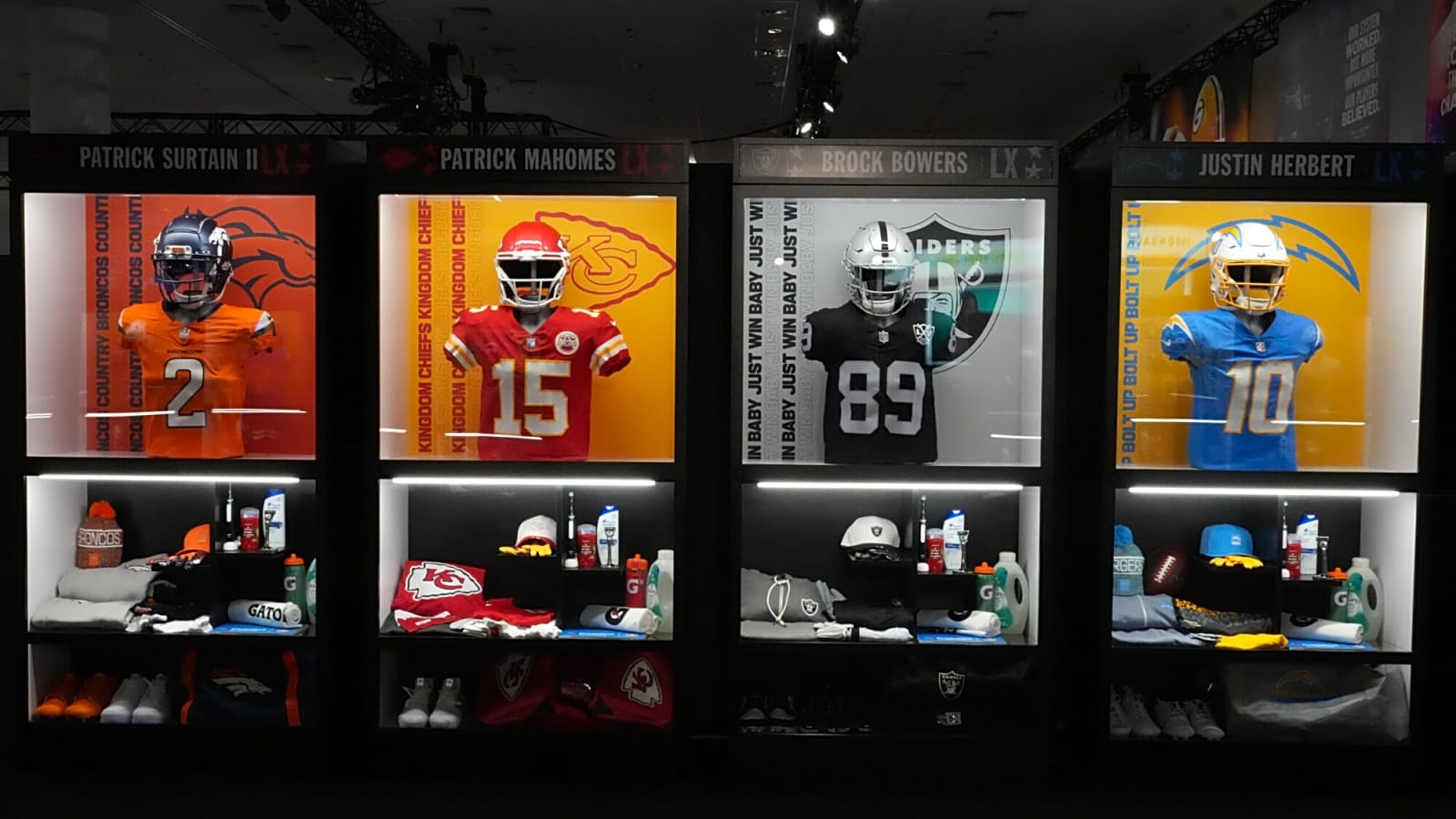
Patrick Mahomes posted a video of himself throwing a football, grinning, looking every bit the franchise quarterback Kansas City has built around for years. “Day by Day! Felt great being able to throw the ball around today!” he wrote. Roughly 100 days after ACL and LCL surgery. Ahead of the commonly cited 9‑to‑12‑month standard recovery window by a wide margin. The kind of progress that should make a fanbase exhale. Instead, inside the Chiefs’ front office, that video created a problem nobody expected.
The Deadline Nobody Talks About
OTAs open May 26. That date matters more than any MRI. The Chiefs missed the playoffs in 2025 for the first time in the Mahomes era, and Andy Reid has missed the postseason only twice in his entire Kansas City tenure. The pressure to get Mahomes back on the field is enormous. But the pressure to keep him off it might be greater. Reid told reporters on May 2 that Mahomes “is in a good position to be able to do some things.” Then he added a phrase that changed the tone entirely.
Rules and Regulations
“There’s some rules and regulations that go with that,” Reid said. “We just have to make sure we’re on top of that part.” Most fans heard optimism. The real message was caution. The NFL’s Physically Unable to Perform list has two tiers: Active/PUP, which gives teams flexible control over when a player returns, and Reserve/PUP, which requires a player placed there to miss at least the first four games of the regular season. The difference between those two options effectively disappears once Mahomes participates in team practice leading into the season.
One Rep Changes Everything
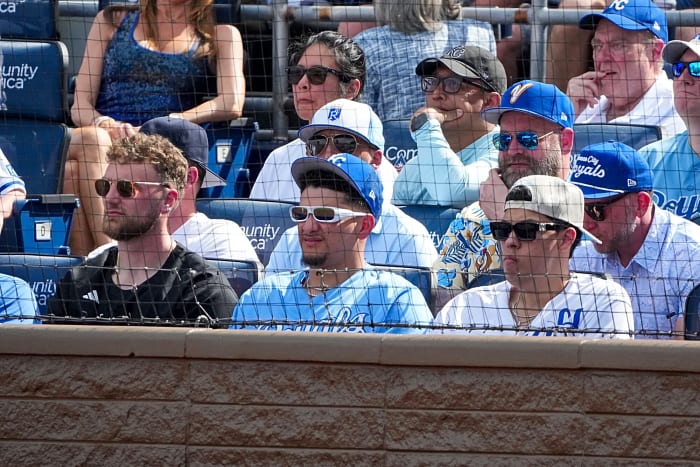
Once Mahomes participates in any practice before the season, the Chiefs lose the ability to place him on the Active/PUP list for this injury. The clock starts. It cannot be stopped. Their only remaining option to keep him on PUP at that point becomes Reserve/PUP, which forces a four‑game absence to start the season. Two weeks of spring and summer reps or four weeks of September leverage. That is the trade. One practice eliminates the safety net. The rule designed to protect injured players has created a perverse incentive to keep a seemingly healthy quarterback off the field.
The System Behind the Trap

Think of it like pulling a Jenga block. Letting Mahomes practice removes a structural piece the organization cannot replace. Rick Burkholder, the Chiefs’ athletic training staff lead, will be heavily involved in the final medical evaluation. He may clear Mahomes completely. And it might not matter. Administrative rules can override medical judgment here. The decision facing Kansas City is not simply whether Mahomes can play. It is whether the league’s fine print allows the team to let him try without sacrificing its contingency plan for the entire fall.
What PUP Really Is
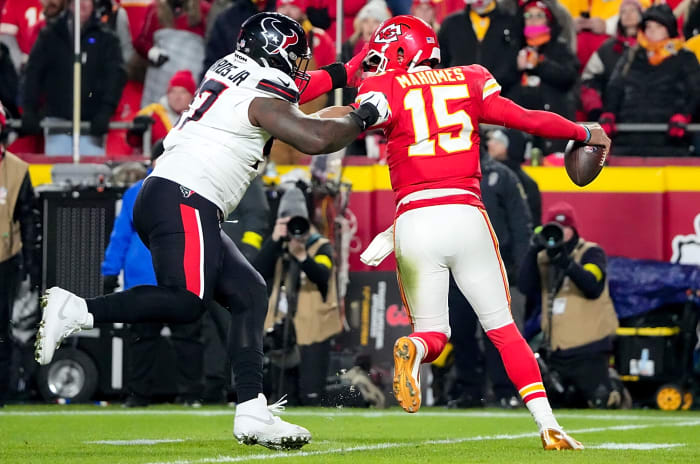
On paper, the Physically Unable to Perform list is straightforward. Players who are not ready for football activity when the team begins its preseason work can be placed on Active/PUP, which means they still count against the 90‑man roster and can be activated at any time before the regular season. If they never take a practice rep and stay on that list through final cuts, a team can shift them to Reserve/PUP. That move opens a roster spot, but it comes at a price: the player must miss at least the first four games and cannot practice until a designated window in the regular season.
PUP is different from injured reserve. IR is for players who have already practiced or played and then suffer an injury that will keep them out for a significant stretch. NFI is for injuries that occur away from team activities. PUP is specifically for injuries that predate camp and that have not yet allowed even one practice snap. That fine distinction is why one rep matters so much for Mahomes. The moment he crosses that line, PUP is gone as an option.
The New PUP Adjustment For 2026
The league has already tried to soften the edges of this rule. In recent meetings, owners approved a change that allows players on Reserve/PUP to begin practicing earlier in the season, with a window that can open as soon as Week 3. That tweak gives teams a little more flexibility to get players back into football shape before they return to games. It does not change the four‑game minimum absence once a player is placed on Reserve/PUP.
For Mahomes and the Chiefs, that distinction matters. If they ultimately choose Reserve/PUP, he still cannot appear in a game until at least Week 5, no matter how good he looks in rehab. The new wrinkle only affects when he could start practicing again once the season begins. It does not solve the core problem Kansas City is facing right now: whether to protect the option to sit him for four games, or to trust that he will not need it.
$43 Million Worth of Anxiety
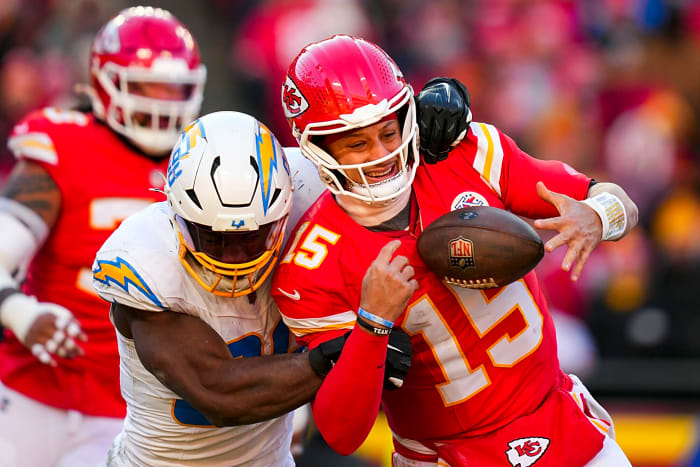
The Chiefs restructured Mahomes’ contract again, converting $54.45 million of his 2026 salary into signing bonus. That dropped his cap hit from $78.2 million to $34.65 million and freed about $43.6 million in immediate space. Multiple restructures for one player over the life of a deal are more than routine cap management. That is pushing additional cap burden into future seasons to stay competitive in the present. The team accepted more future cost so it could keep loading up around Mahomes right now.
Cap Strategy Around Mahomes
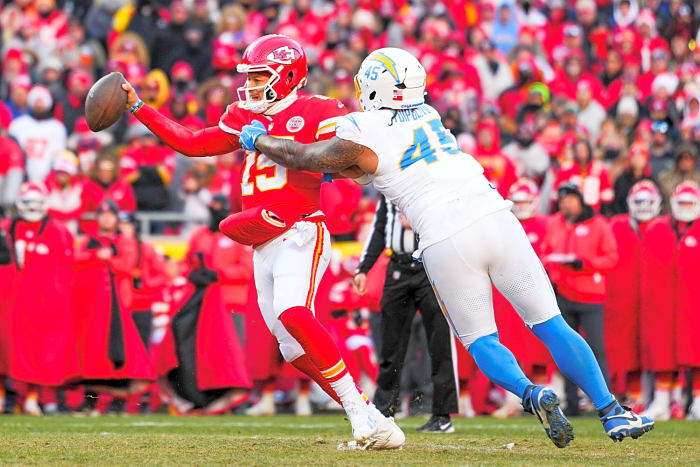
Mahomes’ deal was already one of the most complex contracts in football when he signed it. Each time the Chiefs convert salary into signing bonus, they push money into the back half of the agreement, spreading the hit over remaining years. It is a credit card in football form. The benefit is obvious: Kansas City keeps creating space to surround its quarterback with talent in the short term.
The risk is also obvious. At some point in the late 2020s and early 2030s, those charges pile up. The more often they restructure, the fewer clean years they have left to absorb big hits without drastic moves elsewhere on the roster. That reality only heightens the importance of every decision about Mahomes’ health. When you have already mortgaged the future to win now, losing four games of your best player to a roster rule stings even more.
The Justin Fields Signal
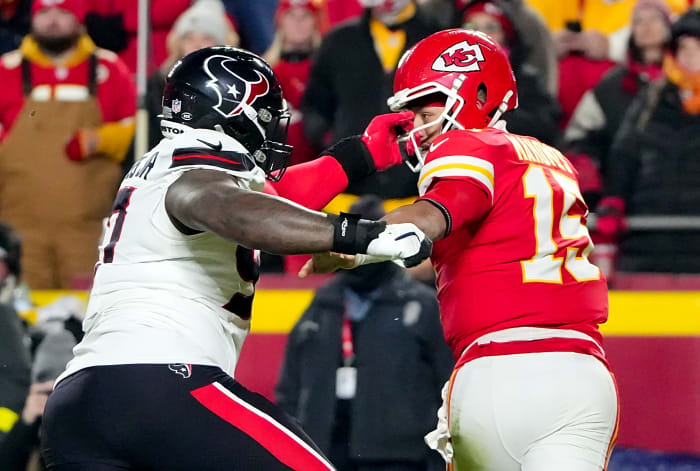
Kansas City acquired Justin Fields from the Jets for a sixth‑round 2027 pick, with the Chiefs responsible for about $3 million in guaranteed money this season. That is not a throwaway depth move. Teams do not usually trade for quarterbacks carrying guaranteed money unless they see a real chance that player will be needed. The Fields acquisition tells you what the public messaging will not: the Chiefs are preparing for a scenario where Mahomes might miss real games. Every team watching this situation now understands how the PUP rules factor into those decisions and will think carefully about spring and summer participation.
Inside the Chiefs’ Quarterback Room
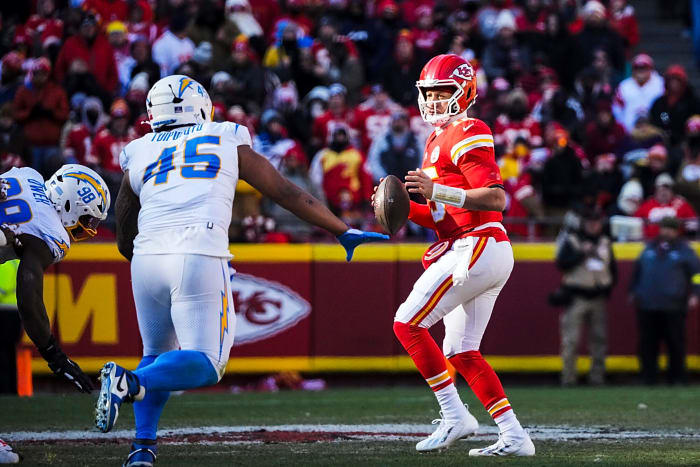
The shape of the quarterback room explains how serious this is. Mahomes is the unquestioned starter when healthy. Fields slots in as the clear number two, a former first round pick with starting experience and the athletic traits to run a full game plan if needed. Behind them, the Chiefs still need a third arm, either a young developmental passer or a veteran who understands he is there as insurance.
There is also the emergency quarterback bylaw to consider. Teams can designate an emergency third quarterback on game day who does not count against the active player limit, but he can only enter if the first two quarterbacks are out. If Mahomes were on Reserve/PUP to start the season, Fields would likely be the primary starter, and the Chiefs would be building game day plans around protecting him and their depth. Every roster decision at that position becomes a referendum on how confident they are in Mahomes’ knee.
The New Rule of Comebacks
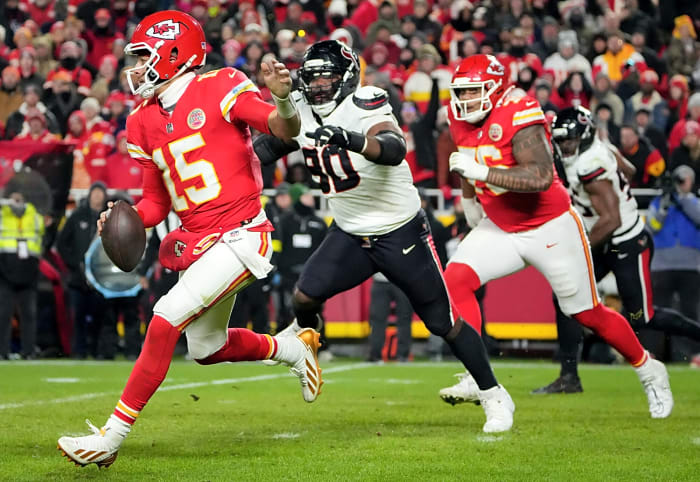
This is bigger than one quarterback. The way Kansas City handles this will shape how every NFL team manages injured stars coming off major surgery. If they limit Mahomes’ on‑field work to preserve every roster option, organizations league‑wide will take note. If they let him practice freely and later lose the PUP safety net, they become the cautionary tale. Chris Godwin returned from an ACL tear on the early end of the recovery window, proving fast comebacks are possible. But nobody asked whether Godwin’s team faced the same roster‑management dilemma. Once you see it, you cannot unsee it: in modern football, the winning move is understanding the fine print.
Mahomes And Other ACL Timelines
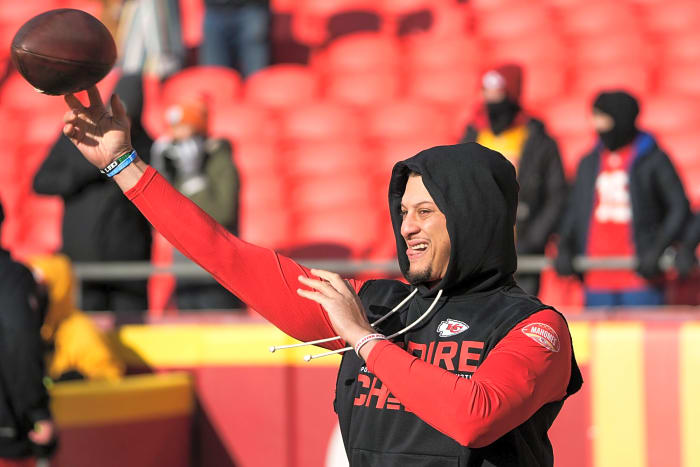
To understand how aggressive this all is, you have to zoom out. Recent quarterbacks coming off ACL tears have typically followed a more conservative arc. Some needed close to a full year before they were truly themselves again, even if they were technically cleared earlier. Others returned somewhere in the nine‑to‑twelve‑month band and took time to regain full confidence in the pocket and on the move.
Mahomes is pushing that curve. Three months after surgery, he is already dropping back and driving the ball in public view. The video clips look like a player far deeper into his rehab timeline. That is a testament to his work and the medical staff around him. It is also what makes the PUP question impossible to ignore. When a player is this far ahead, the calendar itself becomes one of the main opponents.
What Andy Reid And Mahomes Are Saying
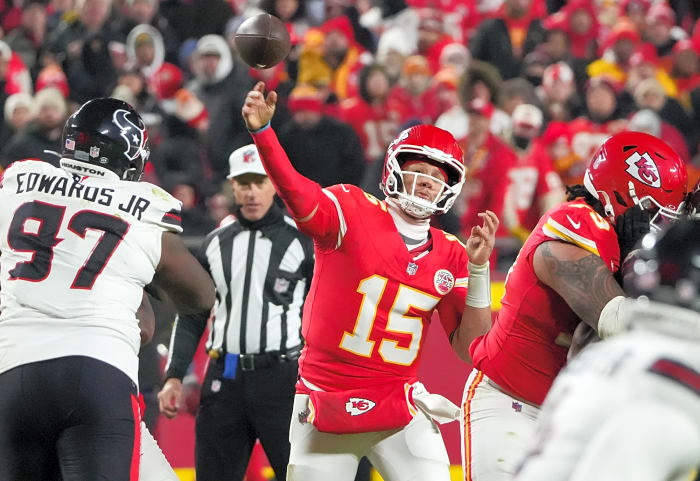
Publicly, the Chiefs are walking the line. Reid talks about Mahomes being “in a good position” while reminding everyone that the team has to be “smart” with the injury and stay on top of “rules and regulations” that govern what Mahomes can do and when. Mahomes, for his part, has framed his goal as being ready for the start of the season and has presented each rehab milestone as one more step toward that.
None of that is by accident. Everybody in Kansas City understands that the words they choose now will be revisited later. If Mahomes practices fully in May and June, the questions will resurface in August if there is any setback at all. If they keep him limited, every interview will turn into a referendum on whether the team is being too cautious. The quotes are careful because the stakes are not just physical, they are political.
What Happens If They Guess Wrong
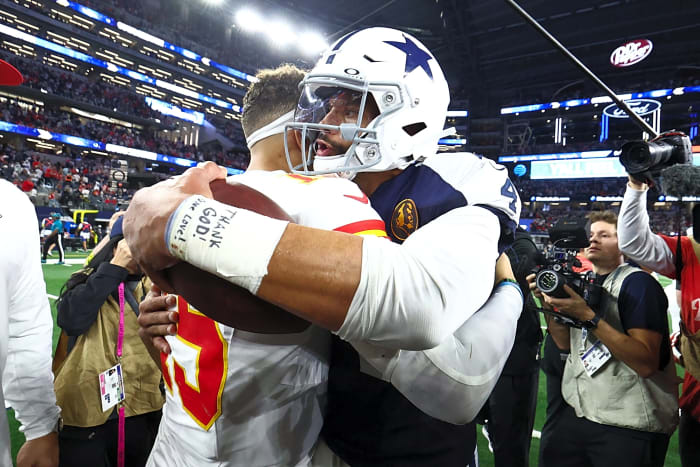
Strip away the jargon and the Chiefs are staring at three basic scenarios. In the first, they preserve the option to use PUP, Mahomes progresses without a hitch, and by late August it is clear he does not need it. In that world, they gradually ramp him up, never use the designation, and everyone forgets this conversation by midseason. In the second, they preserve PUP, he is ready by Week 1, but they still decide to start him on Reserve/PUP. That would mean explaining to fans and to their own locker room why an apparently healthy Mahomes is watching four games from the sideline because of a rule.
The third scenario is the nightmare. They let him practice freely all spring and summer, confident he will be ready. A setback hits in August. Because he has already practiced, the PUP door is closed. The only way to buy him extra recovery time is a trip to injured reserve, which has its own timelines and complications. That is the decision Kansas City is trying to avoid. The rule forces them to choose a path long before they know exactly where Mahomes’ knee will be in September.
Three Weeks And Counting
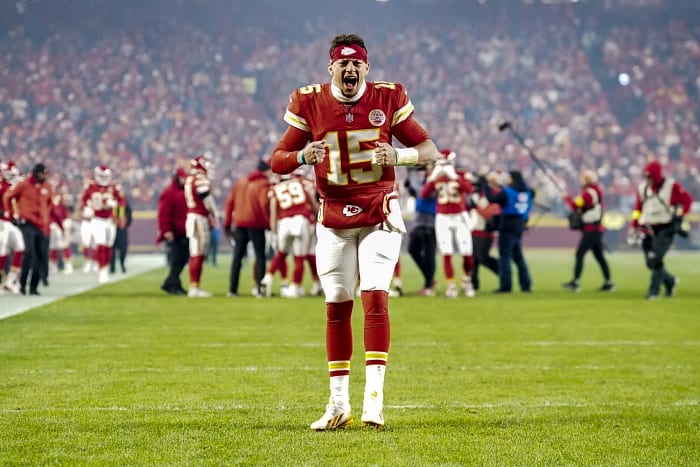
Dr. Dan Cooper performed the surgery in Dallas the day after the December injury. Typical recovery is often described as around nine months or longer. Mahomes is throwing at roughly three months. The medical timeline says he is ahead. The administrative timeline says that being ahead creates hard choices. If the Chiefs sit him and he is healthy by September, fans will ask why he missed four games over a rule. If they play him in May and something goes wrong in August, the organization has no fallback through the PUP mechanism. The deadline is arbitrary. The consequences are permanent.
The Dynasty Runs On Fine Print
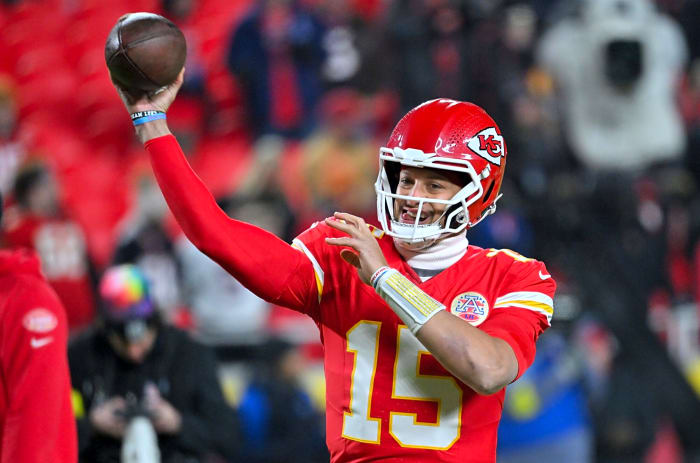
The league could change the clock mechanism and let teams shift between Active and Reserve/PUP more dynamically. That would require a rule change that, so far, has not gained visible traction. Until then, every recovering star in the NFL sits inside a version of the same trap. Mahomes’ knee is healing. His arm looks right. His coach is hedging every public statement like a man reading from a legal brief. The best quarterback in football might be limited this spring, not because he cannot play, but because the rulebook says letting him try could cost too much in September.
So if you were sitting in Kansas City’s chair today, would you keep Mahomes off the field to preserve every safety net, or let him practice and trust that you will never need the PUP rule at all?
Sources:
ESPN. “What are NFL roster designations? IR, PUP, NFI explained.” October 10, 2024.
NFL.com. “Defining injured reserve, PUP list, NFI and more.” February 27, 2023.
National Football League. “2025 NFL Rulebook.” NFL Football Operations.
Yahoo Sports. “NFL approves changes rule with players on PUP.” March 31, 2026.
USA Today. “Patrick Mahomes is ‘ahead of schedule.’ When will he return from injury?” May 5, 2026.
Yahoo Sports. “Chiefs GM says Patrick Mahomes is ‘way ahead of schedule’ after tearing ACL in December.” May 5, 2026.
More must-reads:
- Broncos get positive injury update on QB Bo Nix
- Tyreek Hill gets more bad news about possibly finding a new NFL home
- The 'Multiple 4K-yard NFL seasons' quiz
Breaking News
Trending News



Customize Your Newsletter
 +
+




Get the latest news and rumors, customized to your favorite sports and teams. Emailed daily. Always free!
PRIVACY POLICY COOKIE POLICY CONTACT US
ABOUT YARDBARKER TERMS OF SERVICE


By using this site, you agree to our Terms of Service and Privacy Policy.
This site is for entertainment purposes only.
There is no gambling offered on this site.
Gambling Problem? Call 1-800-Gambler.
