-

-


Follow Us
-

 On Facebook
 On Flipboard

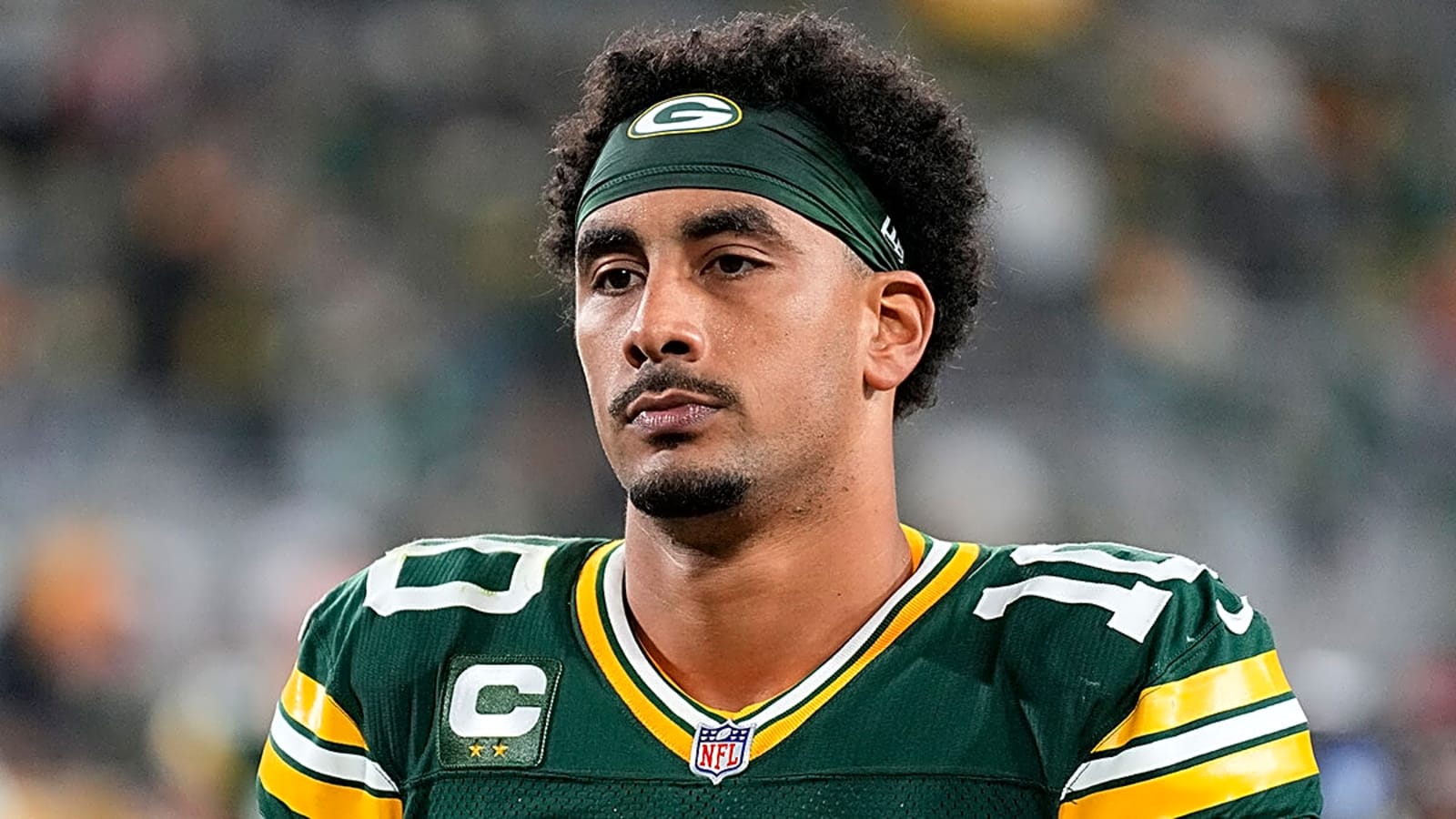
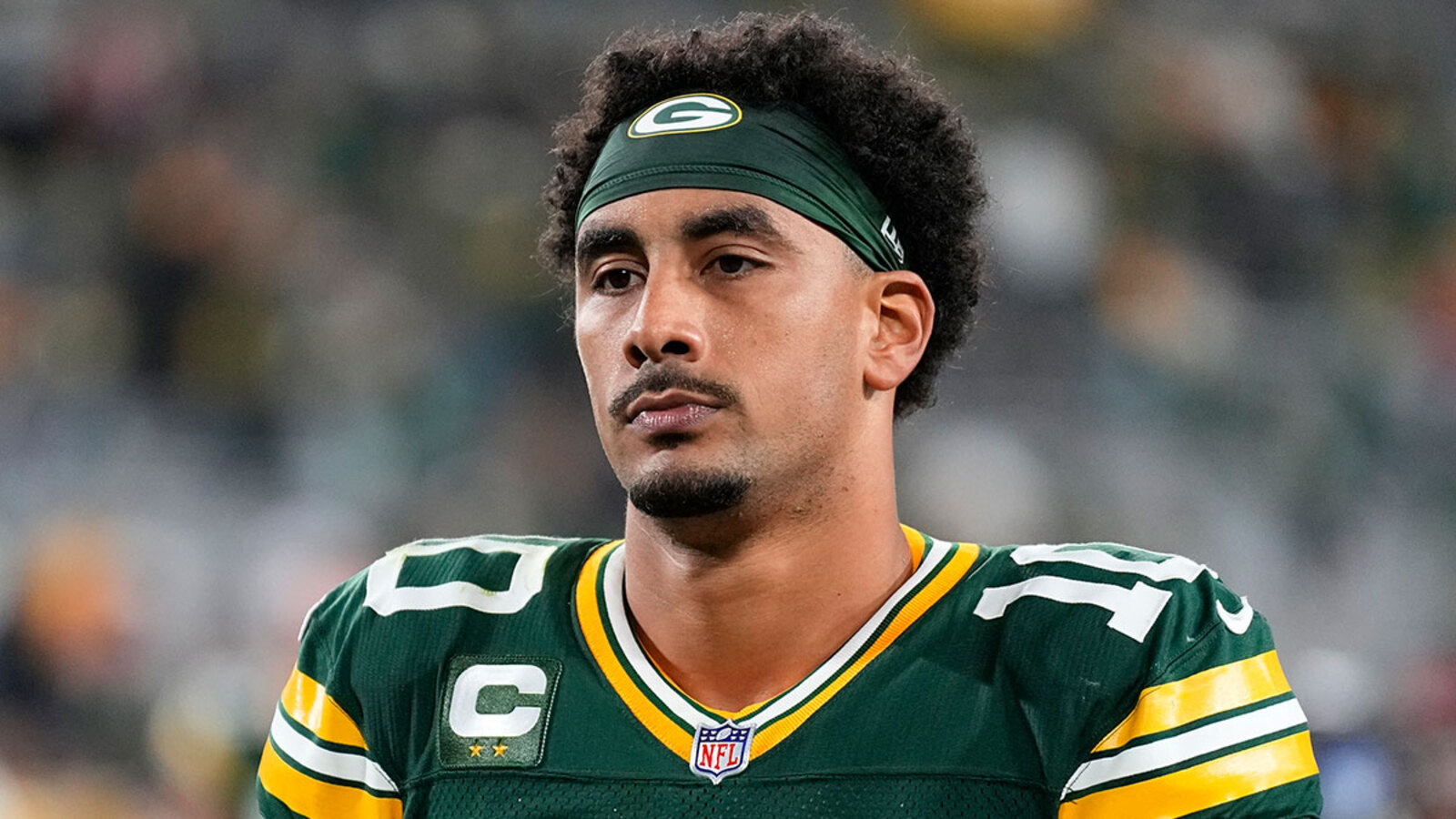
The Green Bay Packers needed to approach the 2026 NFL Trade Deadline with urgency. They boast an explosive passing attack led by Jordan Love and are getting closer to having Micah Parsons back in the lineup. However, a promising record can sometimes conceal problems that become impossible to ignore in January. Green Bay’s biggest mistake was failing to reinforce its offensive trenches and backfield. General manager Brian Gutekunst stood pat. That decision could become costly if the Packers’ biggest offensive weakness follows them into the postseason.
Inconsistency
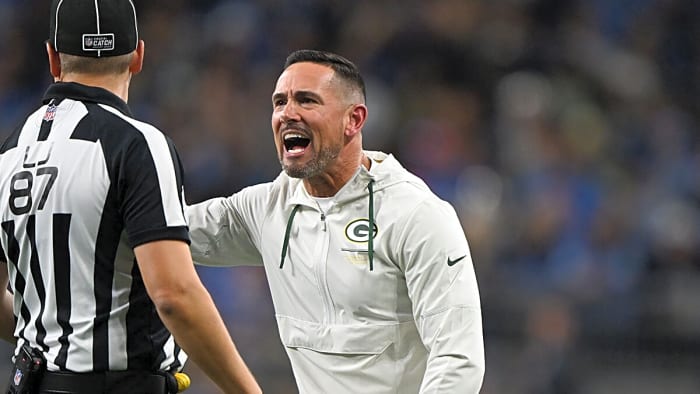
Through the first eight weeks of the 2026 campaign, Matt LaFleur’s squad built a hard-fought 5–3 record. That was despite early offensive inconsistency and significant injury adversity. After opening with losses to Minnesota and Atlanta, Green Bay recovered with victories over Tampa Bay, Chicago, and Dallas. A narrow defeat in Detroit preceded a gritty Thursday night triumph over Carolina. Christian Watson and Matthew Golden helped fuel the passing game, but the ground attack remained a concern. Josh Jacobs managed just 39 rushing yards on 21 carries against the Panthers. Injuries also forced continued reshuffling along the offensive line. The Packers then beat New England in Week 9 to improve to 6–3. However, Jacobs fractured a finger and required surgery. Meanwhile, Parsons had returned to practice, raising hopes of a defensive boost later in the season.
The biggest mistake
Green Bay’s most glaring deadline miscalculation was refusing to address its struggling running game and increasingly unstable interior offensive line. The Packers have been able to win without consistently running the football. That is not a sustainable formula against elite playoff defenses, though. Their win over Carolina offered a particularly clear warning. Jacobs averaged fewer than two yards per carry. The offense struggled to close out the game despite building a comfortable lead.
The problems go beyond one disappointing performance. Green Bay entered the season with significant uncertainty in its offensive line rotation. The injuries have only made matters worse. Center Sean Rhyan suffered a high ankle sprain in Week 7. Jacob Monk and other reserve linemen have also been sidelined. The constant changes have disrupted the blocking combinations that are essential to establishing a reliable ground attack. The Packers need dependable depth capable of surviving the physical demands of a long season.
The backfield situation is just as concerning. Jacobs missed the first six games while on the Commissioner’s Exempt List. He then returned to a team that desperately needed his physical running style. Unfortunately, his finger injury against New England now threatens to sideline him again. His production since returning has been modest, with just 80 rushing yards on 36 attempts across three games. Green Bay cannot simply assume that Jacobs will be available and effective when the games become more important.
Gutekunst should have acquired a versatile veteran who could protect Love and keep the offense on schedule. That would have been valuable. Similarly, acquiring an experienced interior lineman could have provided insurance against the injuries that have repeatedly forced LaFleur to adjust his combinations. Instead, Green Bay made no trades before the deadline. They have left those problems for the coaching staff to solve internally.
Overloaded passing attack
Love has done plenty to keep the Packers competitive. His connection with Watson and Golden gives Green Bay the ability to attack defenses vertically. Tucker Kraft remains an important option over the middle. However, an explosive passing game becomes easier to defend when opponents do not have to respect the run.
When the offensive line cannot generate movement, defenses can commit more resources to rushing Love. That puts additional pressure on him to manufacture explosive plays, even when the protection is breaking down. It also limits LaFleur’s ability to use play-action effectively.
The return of Parsons could make Green Bay’s defense even more formidable. Still, it does not solve the offensive problems. The Packers should be thinking about how to complement that defensive advantage with a more balanced attack. A stronger interior line and a dependable backfield rotation would make the offense less predictable. It could also give Love more opportunities to operate from favorable situations.
Standing pat
The Packers’ winning record gives them a legitimate opportunity to compete for the NFC North and make a deep postseason run. However, the trade deadline was an opportunity to address weaknesses before they became season-defining liabilities. Green Bay passed on that chance.
Championship teams need depth, adaptability, and the willingness to address problems before opponents exploit them. Gutekunst may believe the current roster can overcome its limitations, especially with Parsons nearing a return. That said, if the offensive line continues to struggle and Jacobs cannot stay healthy, the Packers could find themselves asking Love to do far too much.
Green Bay needed practical reinforcements in the trenches and backfield. By failing to make a move, the Packers left a promising season exposed to the very weaknesses that could end it.
More must-reads:
- Ravens reveal Lamar Jackson recovering from broken and dislocated thumb, out 'about 6-10 weeks'
- Bruce Arians has 'itch' to return to coaching amid uncertainty about Buccaneers' Todd Bowles
- The '35 passing TD NFL seasons' quiz
Breaking News
Trending News
Customize Your Newsletter
 +

Get the latest news and rumors, customized to your favorite sports and teams. Emailed daily. Always free!
PRIVACY POLICY COOKIE POLICY CONTACT US
ABOUT YARDBARKER TERMS OF SERVICE


By using this site, you agree to our Terms of Service and Privacy Policy.
This site is for entertainment purposes only.
There is no gambling offered on this site.
Gambling Problem? Call 1-800-Gambler.