
-

-


Follow Us
-

 On Facebook
 On Flipboard

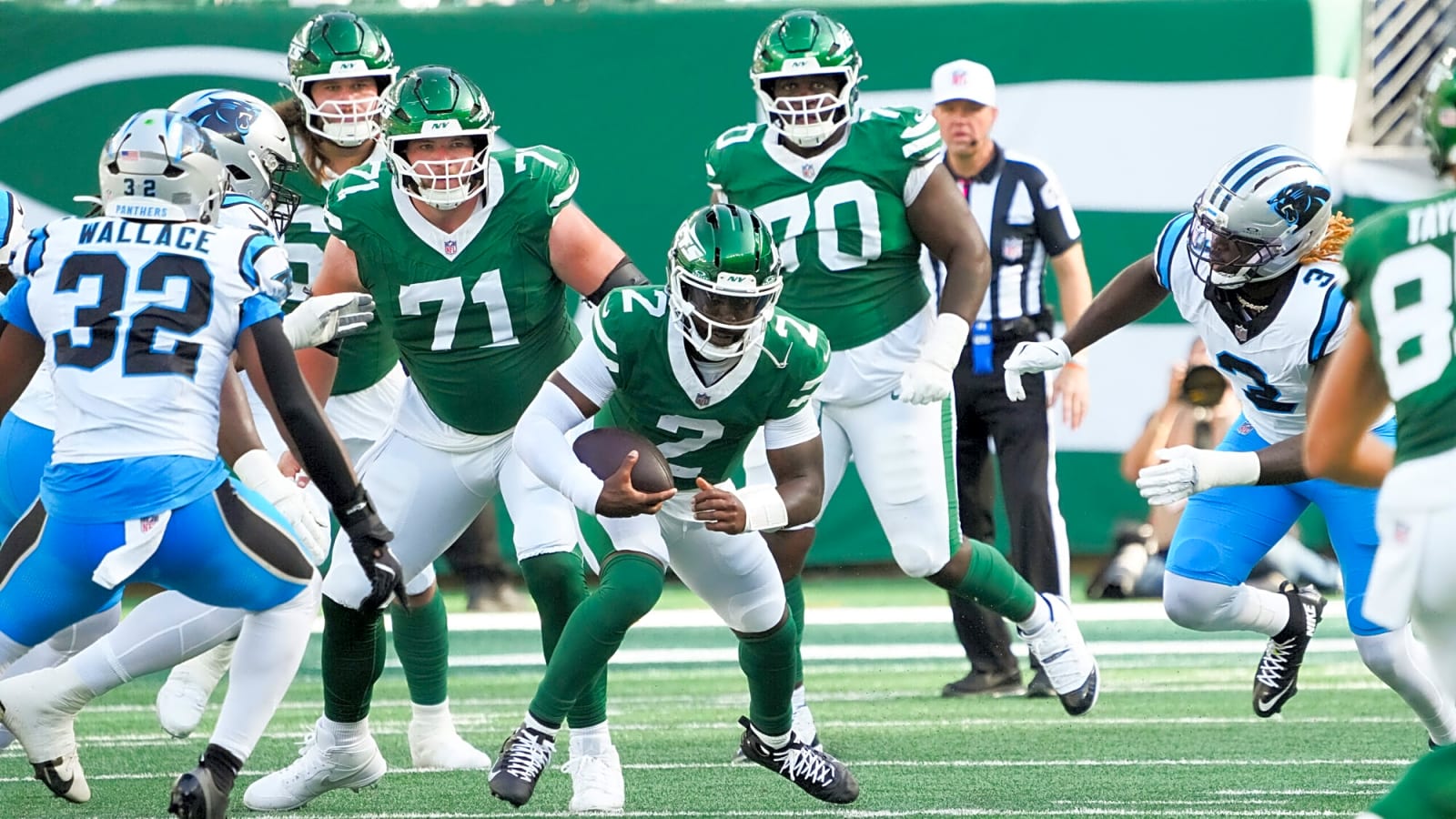
Green Bay just made the most quietly ruthless move of the offseason. On May 4, General Manager Brian Gutekunst announced the Packers signed quarterback Tyrod Taylor and released Desmond Ridder in the same breath. One transaction. Two careers moving in opposite directions. Taylor brings 100 career games, 62 starts across multiple NFL franchises, a Pro Bowl nod, and a Super Bowl ring. Ridder, a former third-round pick, never saw a regular-season snap in Green Bay. The backup QB spot behind Jordan Love now belongs to a proven commodity. And the ripple from this swap reaches further than most people realize.
Why Malik Willis Changed Everything
This move traces back to one departure. Malik Willis left for the Dolphins in free agency, blowing a hole in Green Bay’s quarterback depth chart. Ridder and Kyle McCord remained, but neither had proven capable of protecting a franchise built around Jordan Love. The Packers needed someone who could walk into a huddle cold and command respect. That requirement eliminated most of the available market. Taylor, a sixth-round pick from the 2011 draft who outlasted hundreds of higher-pedigreed quarterbacks, fit the profile exactly. The urgency was real.
What This Means for Jordan Love
The presence of Taylor behind Love changes the temperature of every snap the starter takes. Green Bay no longer has to coach or call plays like the entire offense will collapse if Love misses a few weeks. That kind of security can tilt Matt LaFleur toward a slightly more aggressive version of his system, whether that means leaning into the full menu of shot plays or trusting Love to extend downs with his legs without everyone holding their breath.
It also alters how the locker room views the position. When your safety net has a Pro Bowl on his resume and a ring in his locker, the quarterback room carries a different weight. Love still owns the job, but he now works alongside someone who has navigated playoff pushes, midseason benchings, and emergency starts in hostile stadiums. That experience does not threaten Love. It sharpens the edges around him.
Over a seventeen-game season, the psychological effect matters as much as the Xs and Os. With Taylor in the building, the Packers can tell themselves they are one injury away from a change in style, not a collapse in competency. That belief tends to bleed into how a team practices on Wednesday and how it responds to adversity on Sunday.
Your Fantasy Roster Just Shifted
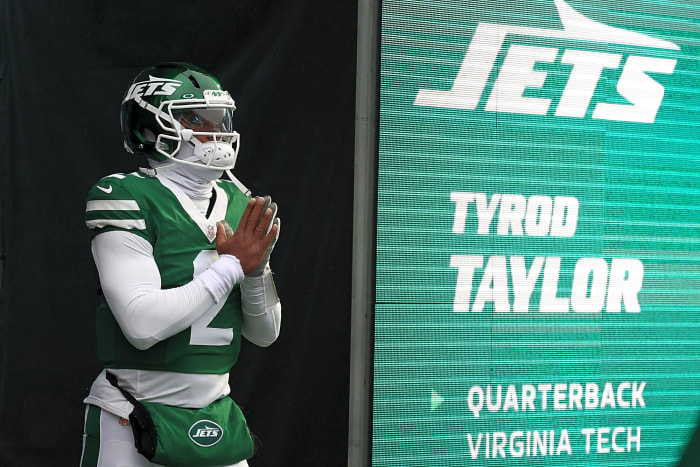
For Packers fans, the direct impact hits the insurance policy. If Jordan Love misses time in 2026, the offense no longer faces a catastrophic downgrade. Taylor started four games for the Jets in 2025, going 1–3 with modest numbers, but he kept the offense functional. That matters for fantasy managers too. Green Bay’s skill players, receivers, and running backs all retain more value when the backup can actually execute the system. Ridder offered no such floor. The gap between “season over” and “we can survive this” just closed considerably.
The Backup Market Arms Race
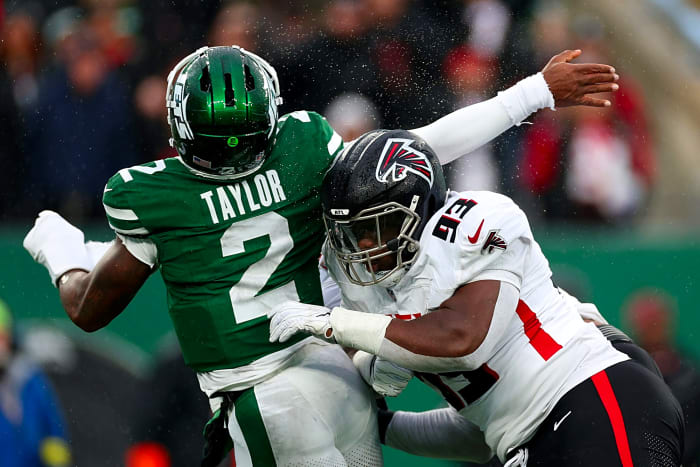
Green Bay’s move reflects something bigger across the league. Teams with offensive-minded coaches have been leaning toward experienced backup quarterbacks instead of pure developmental projects, especially after recent seasons when starter injuries wrecked promising years. The days of stashing a raw developmental arm behind your starter and hoping for the best are fading. Front offices watched what happened when starters went down behind thin depth charts last season. The Packers saw the same film. The price of proven backup quarterbacks continues to trend upward as more teams decide they would rather pay for stability in March than scramble in November.
Cap and Contract Reality Check
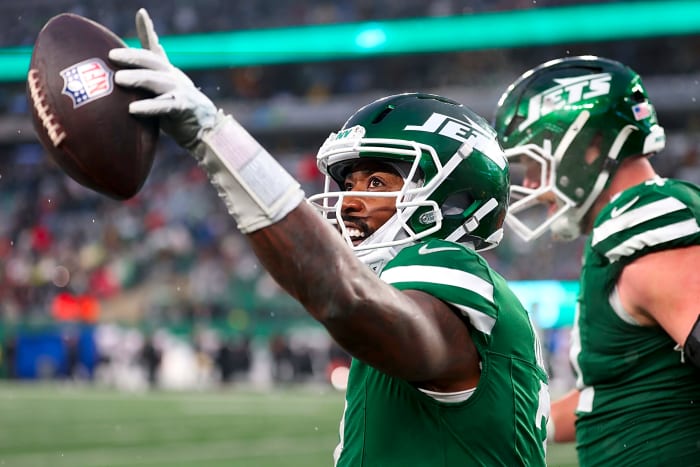
Moves like this live in the salary-cap margins. Veteran backups with Taylor’s résumé do not sign for minimum deals, and committing real money to a non-starter is a conscious philosophical choice. Green Bay is signaling that it is willing to allocate actual cap space to the second line of defense at the most important position on the roster, even if it means shaving a few dollars from other spots.
That decision will echo when the Packers start talking extensions with core players at premium positions. Every dollar devoted to the quarterback room is a dollar that does not go to an edge rusher, a shutdown corner, or another offensive lineman. The front office is effectively saying the cost of not having credible quarterback insurance is higher than the cost of living slightly leaner elsewhere. It is a bet that long-term roster health is best protected by over-funding the room that touches the ball on every snap.
In a league where contracts at the top of the quarterback market swallow massive chunks of the cap, smart teams hunt for edges in the middle tier. Taylor slots into that band as a controlled, known quantity. His contract will not define the Packers, but in a tight cap year, it may decide which positions they can afford to treat as luxury rather than necessity.
Eight Teams, One Résumé
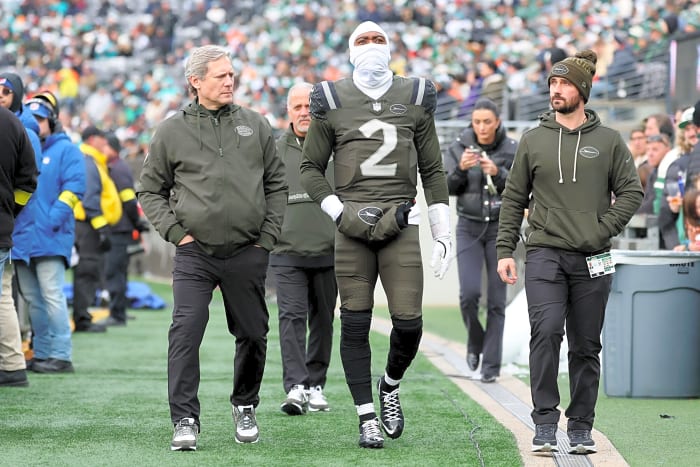
Here is the part nobody is connecting. Taylor has suited up for Baltimore, Buffalo, Cleveland, the LA Chargers, Houston, the New York Giants, and the Jets before landing in Green Bay. Eight franchises. That is not a journeyman wandering. That is a walking encyclopedia of NFL offensive systems. He carries scheme knowledge from nearly a quarter of the league’s playbooks. Every coordinator he has worked under deposited something. The Packers did not just sign a backup. They signed institutional knowledge that most coaching staffs would need years to accumulate.
Scheme Fit: Taylor in LaFleur’s Offense
Taylor does not arrive as a system mismatch. His game has always been built on movement, ball security, and selective aggression, which is exactly the kind of profile that flourishes in LaFleur’s structure. Play-action, bootlegs, and half-field reads give him clean pictures and defined answers without asking him to live between the hashes on static dropbacks. The Packers can call much of their existing menu without ripping out pages if Love goes down and Taylor steps in.
There is also a subtle benefit in how Taylor extends plays. He has never been reckless, but he is comfortable breaking the pocket and forcing defenses to plaster in the secondary. In a system that already thrives on layered route concepts and timing, that second reaction element keeps plays alive without inviting chaos. It means LaFleur can keep the same broad identity but lean a little more heavily into movement-based designs if he needs to skew the game plan toward Taylor’s legs.
Most importantly, there is no need for a bifurcated offense. Some teams live with completely different looks when the backup enters, telegraphing limitations to every defensive coordinator on the schedule. With Taylor, Green Bay can keep its core language intact. The calls in the huddle may tilt toward what he likes best, but the DNA of the scheme stays the same. That continuity matters when the rest of the offense is already adjusting to a midseason shock.
The Hidden Depth Chart Machine
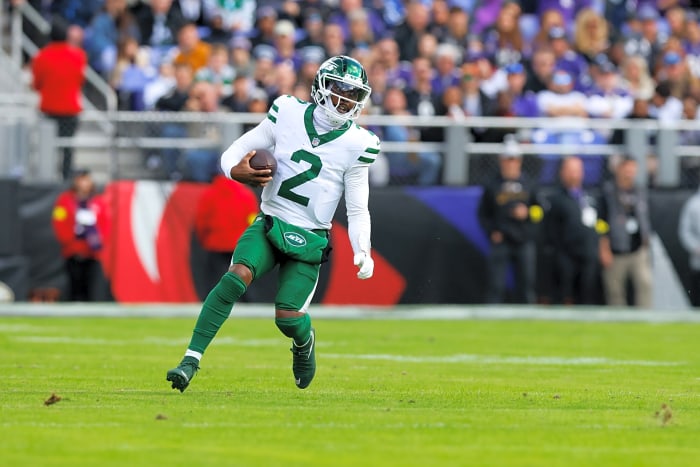
The mechanism connecting all of this is Green Bay’s layered quarterback construction. Jordan Love sits at the top. Taylor provides the veteran safety net. Kyle McCord offers developmental upside. Rookie Kyron Drones adds raw athleticism. Four quarterbacks. Four distinct profiles. Four different contingency plans. One franchise. The Packers built redundancy into their most critical position the way an engineering firm builds bridges. Lose one cable, the structure holds. That philosophy moved from theory to execution the moment Gutekunst paired Taylor’s signing with Ridder’s release on the same afternoon.
The Numbers That Earned the Job
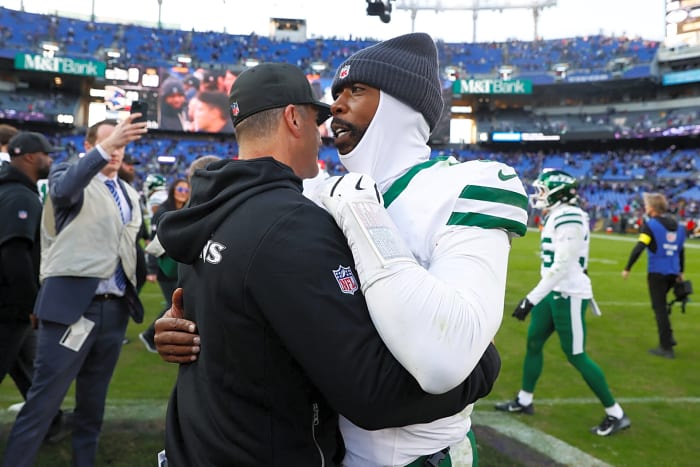
Taylor holds a statistical distinction no other quarterback in NFL history can claim: 10,000-plus passing yards, 2,000-plus rushing yards, 70-plus passing touchdowns, 20-plus rushing touchdowns, and fewer than 35 interceptions. Read that combination again. The dual-threat production paired with ball security is genuinely unique. He earned a Pro Bowl selection with Buffalo in 2015 and a Super Bowl ring with Baltimore in 2012. Ridder, by contrast, lost his starting role in Atlanta after parts of two seasons and later saw limited action with Las Vegas. The experience gap between these two players is a canyon.
Fantasy Fallout: Draft Strategy in 2026
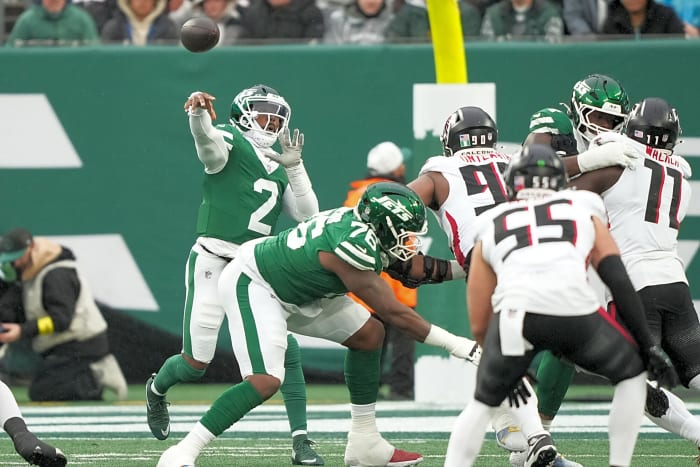
For fantasy managers, this is not just a footnote. Taylor’s presence changes how you price every piece of the Packers’ offense. Before this move, drafting Green Bay pass catchers carried downside risk that an injury to Love would drag the entire offense into the basement. Now the floor looks more like a competent, lower-ceiling version of the same scheme rather than a complete system failure.
In traditional one-quarterback leagues, Taylor himself remains a break-glass-in-case-of-emergency name, but he becomes a viable late-season waiver priority if Love misses time. In superflex and deeper formats, he is suddenly a rational final-round stash, especially for managers already stacking Packers pieces. The more important shift is psychological: you no longer have to bake in a total disaster scenario when you commit real draft capital to Love, his WR1, or the lead back. That does not raise their ceilings, but it does quietly raise their floors.
Best ball drafters also get a new angle. Building cheap, correlated insurance around a Green Bay stack becomes more appealing when the backup has a real chance of keeping the offense functional. That kind of structural edge tends to show up in margin plays over a full season, even if it never appears as a headline on Sunday night.
A New Standard for Roster Insurance
This signing sets a precedent that could echo through front offices for years. Green Bay, a team that historically develops quarterbacks internally, went outside the building for a pure insurance policy. That signals a philosophical shift. When a franchise synonymous with Brett Favre and Aaron Rodgers decides homegrown depth is not enough, other organizations take notice. The backup quarterback position is being reclassified from afterthought to strategic asset. Taylor’s deal may become a reference point the next time a contender loses its starter and scrambles for answers too late.
Winners, Losers, and the Cold Math
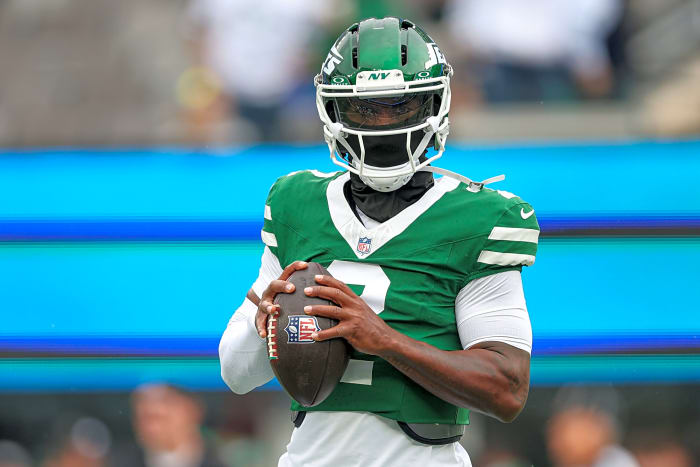
The winners are obvious: the Packers get stability, and Taylor gets another NFL paycheck at 36 years old. The losers cut deeper. Ridder, once a promising Atlanta starter and more recently a short-term option in Las Vegas as well, now hits free agency with diminishing leverage. Kyle McCord loses his clearest path to the primary backup role. And every team that waited too long to address backup quarterback depth just watched the available talent pool shrink by its most experienced option. The irony of Ridder’s arc stings. Third-round draft capital. Multiple organizations. Zero lasting footholds. The league moves fast.
What Comes Next for Desmond Ridder?
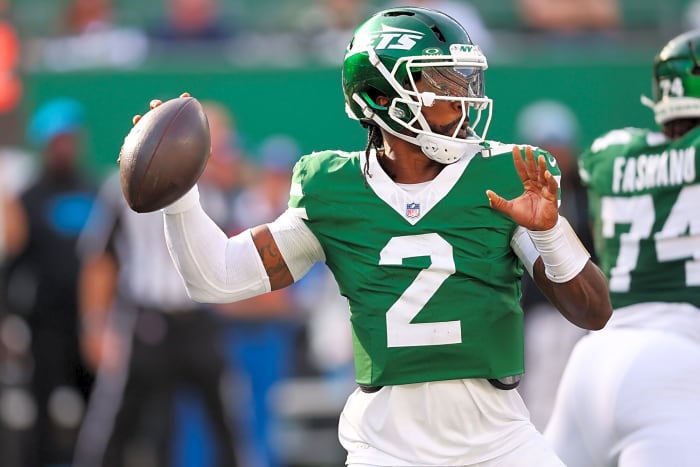
Ridder now enters the part of a quarterback’s career that does not come with billboards or marketing campaigns. His next deal, wherever it lands, will be about trust and utility rather than potential. Teams will look at his tape in Atlanta and Las Vegas and ask whether the turnover swings and inconsistent processing are fixable or baked in. Somewhere, a quarterback coach will believe there is still something worth rescuing.
The most likely landing spots sit in the tier of franchises hunting for competition behind an entrenched starter or trying to stabilize a developmental room. Ridder offers enough starting experience to handle practice reps and preseason drives without the stage feeling too big. He also still carries the halo of his draft slot, even if it has dimmed. That combination can keep a player in the league for longer than outsiders expect.
His challenge is simple and brutal. He has to prove that the next version of Desmond Ridder is more careful with the ball, more decisive in his reads, and more comfortable living inside the structure of an offense instead of fighting it. If he can check even two of those boxes, he can build a second act as the kind of backup teams are now willing to pay for. If he cannot, this Packers chapter will look less like a detour and more like a turning point.
The Cascade Is Still Moving
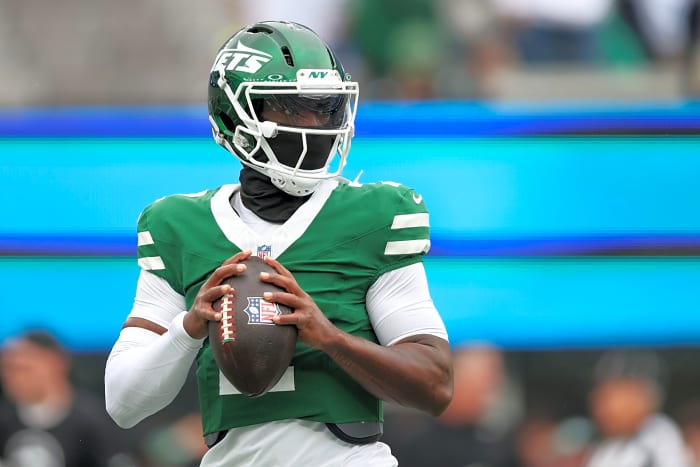
Taylor’s signing resolves one problem and creates pressure everywhere else. Ridder will sign somewhere, displacing another roster hopeful. McCord and Drones now compete for a developmental spot with a long-time veteran watching film beside them every day. Other contenders still need backup upgrades and the cupboard just got barer. The Packers built a four-layer quarterback room that most franchises cannot replicate. And the real test arrives the first Sunday Jordan Love takes a hit and stays down. Green Bay bet that preparation beats panic. The 2026 season will grade the homework.
Do you think Tyrod Taylor is the missing piece that finally makes Green Bay’s Super Bowl window real, or is this just expensive insurance on a quarterback room that still has more questions than answers? Tell us where you stand in the comments.
Sources:
Packers.com, “Packers sign QB Tyrod Taylor,” May 4, 2026.
NFL.com, “Packers sign veteran QB Tyrod Taylor to back up Jordan Love,” May 4, 2026.
ESPN, “Packers sign veteran Tyrod Taylor as likely new QB2,” May 3, 2026.
NBC Sports, “Packers to release Desmond Ridder,” May 3, 2026.
Reuters, “Report: Packers signing QB Tyrod Taylor as backup,” May 4, 2026.
Yahoo Sports, “Former Falcons quarterback released by Green Bay Packers,” May 4, 2026.
More must-reads:
- NFL schedule release 411: Potential release dates, most interesting games and more
- Patriots have reportedly made massive Mike Vrabel decision amid Dianna Russini controversy
- The 'NBA scoring champions' quiz
Breaking News
Trending News


Customize Your Newsletter
 +
+




Get the latest news and rumors, customized to your favorite sports and teams. Emailed daily. Always free!
PRIVACY POLICY COOKIE POLICY CONTACT US
ABOUT YARDBARKER TERMS OF SERVICE


By using this site, you agree to our Terms of Service and Privacy Policy.
This site is for entertainment purposes only.
There is no gambling offered on this site.
Gambling Problem? Call 1-800-Gambler.
