-

-


Follow Us
-

 On Facebook
 On Flipboard


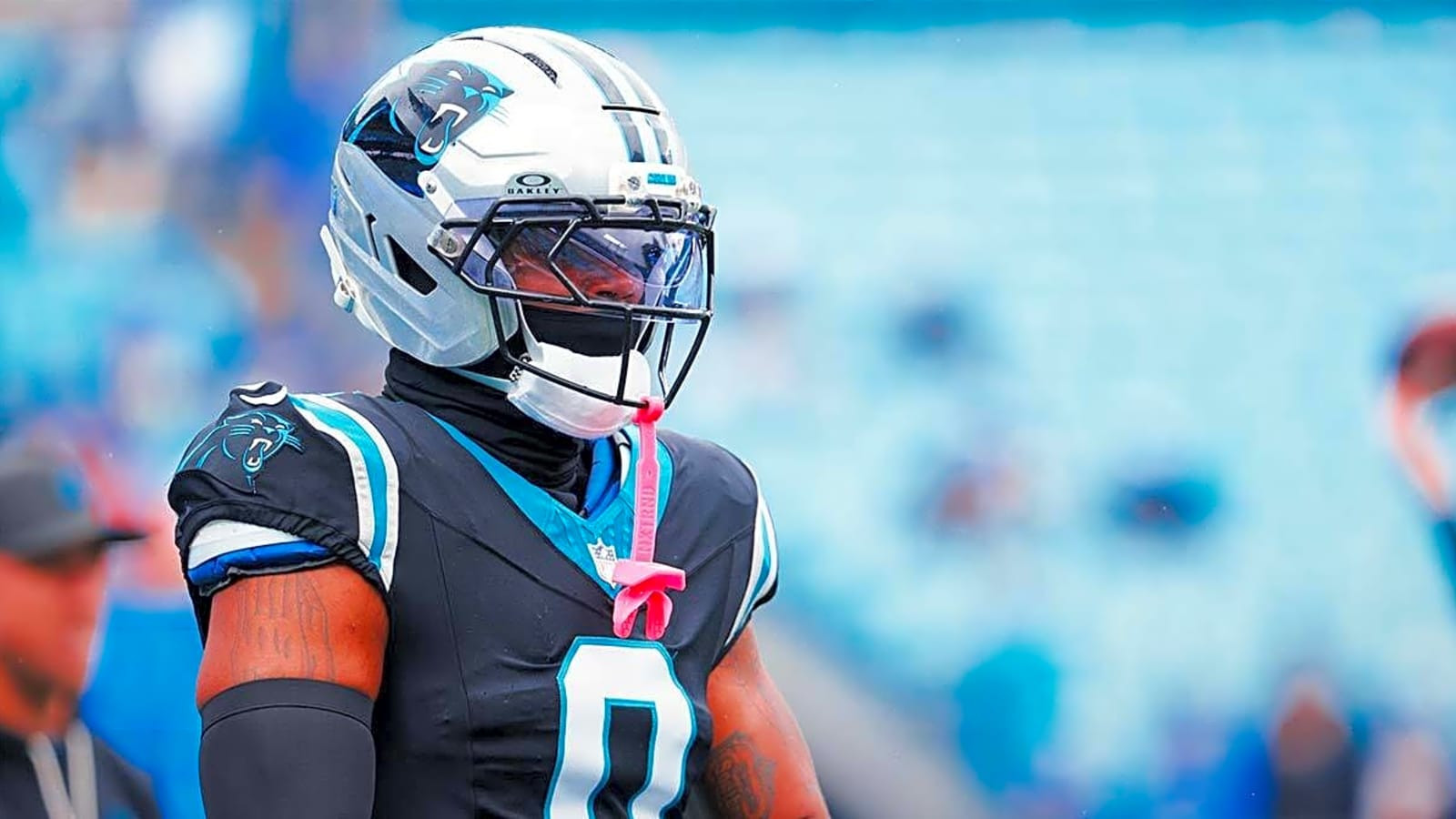
The Carolina Panthers entered the final hours before the 2026 NFL trade deadline with a chance to take advantage of the market for tight ends. ESPN’s Jeremy Fowler identified Ja’Tavion Sanders as a potential low-cost option for interested teams. In contrast, speculation about Detroit’s Sam LaPorta and Denver’s Evan Engram suggested that acquiring established players at the position would be challenging.
Denver had also explored the availability of Trey McBride, but Arizona showed no interest in trading him. As those options faded, Sanders emerged as an affordable alternative for teams before Tuesday’s deadline.
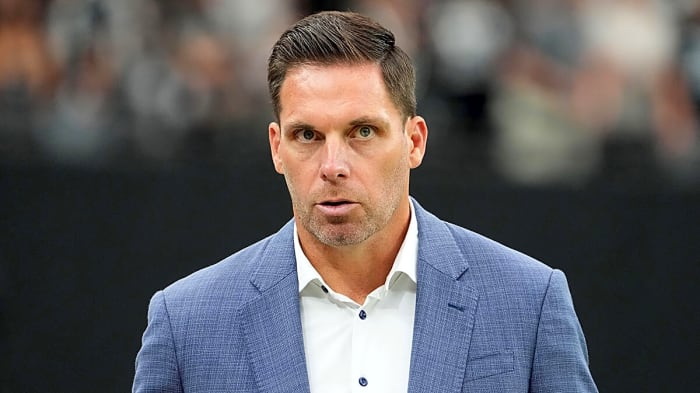
Ultimately, Carolina made no trades, leaving general manager Dan Morgan with the same roster despite a disappointing 3-5 record. His biggest mistake was retaining Sanders, a former fourth-round selection who had effectively disappeared from the offense, rather than trying to convert an unused player into future draft capital.
Panthers missed an opportunity to capitalize on Ja’Tavion Sanders’ trade value
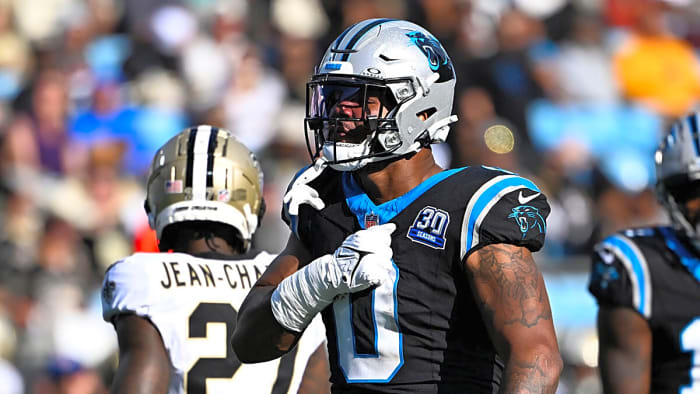
Sanders entered the NFL as an intriguing receiving prospect when the Carolina Panthers selected him in the fourth round of the 2024 draft. His athleticism and experience at Texas suggested that he could eventually become a significant contributor to the Panthers’ passing attack. During his rookie season, Sanders showed promising potential, recording 33 receptions for 342 yards and one touchdown. While his production was relatively modest, he demonstrated enough receiving ability to warrant further development.
In his second season, he entered 2026 with 62 career receptions for 532 yards and two touchdowns, which brought additional opportunities. However, the Panthers made offseason decisions that drastically changed his role. They signed veteran tight end Darren Waller, who is an experienced receiving threat capable of creating mismatches against linebackers and defensive backs. This acquisition pushed Sanders further down a depth chart that already included Tommy Tremble and Mitchell Evans.
Head coach Dave Canales also valued Feleipe Franks for his contributions to special teams, resulting in Sanders competing for one of the final active roster spots each week.
As a result, this season has been particularly frustrating for the young tight end. Sanders was inactive for the Panthers’ first seven games and finally made his season debut against the Denver Broncos in Week 9. However, he only played on special teams, participating in 13 snaps without any offensive opportunities. He was then declared inactive for the following game against the New Orleans Saints in Week 10, further underscoring his limited role in Carolina’s plans.
For a developing player with shown receiving potential, spending an entire season without meaningful offensive responsibilities raises legitimate questions about the organization’s roster management. Morgan had the chance to address this situation before the deadline, especially since other teams were reportedly evaluating affordable alternatives at tight end. While keeping Sanders may preserve depth, it also leaves the Panthers with a player whose immediate contributions have become almost nonexistent.
Carolina had enough tight end depth to consider a trade
The Panthers’ decision becomes more questionable when considering the responsibilities already managed by their other tight ends. Waller has established himself as a reliable receiving option, significantly contributing to an offense that heavily relies on creating favorable matchups for quarterback Bryce Young. His ability to operate downfield and challenge defenders adds a dimension to the team that Sanders has struggled to provide since joining the Panthers.
Tremble brings a valuable combination of blocking and receiving skills, making him an asset in formations that disguise whether Carolina plans to run or pass. Evans has also carved out a role within the rotation, adding size and physicality along the line of scrimmage. Meanwhile, Franks has taken on responsibilities in special teams, where his versatility helps justify keeping a large group of tight ends.
These roles explain why Sanders has had limited opportunities, but they also strengthen the argument for exploring a trade. Carolina is already assigning offensive snaps to three tight ends, while another player is designated for specialized tasks. Maintaining a fifth tight end offers insurance against injuries, but the organization must weigh whether this depth is more valuable than the potential draft compensation that could be gained from a trade.
Sanders is under contract through 2027, which means an acquiring team would gain more than just a short-term rental. This contractual control could have made him attractive to teams in search of an affordable developmental receiving option.
Dan Morgan’s inactivity reflected a broader roster dilemma
Carolina’s quiet deadline did not focus solely on Sanders. The organization reportedly received inquiries about defensive tackle Derrick Brown, although the Panthers showed little interest in trading one of their most vital defensive leaders. Retaining Brown makes sense because his value extends beyond individual performance. He is central to Carolina’s defensive structure and provides stability for a unit that has undergone significant changes.
Defensive tackle Bobby Brown III was also mentioned among potential trade candidates, but he remained with the team. These decisions highlight the challenges Morgan faced while evaluating a team that entered the deadline tied for first place in the NFC South, despite having a losing record. The Panthers were caught in an unusual position; they were neither established championship contenders nor completely out of postseason contention.
This situation created conflicting incentives. Acquiring expensive veterans might have compromised future flexibility without ensuring significant improvement, while selling established contributors could have weakened a team still capable of winning its division.
Trading Sanders represented a more manageable opportunity, as it would not require the Panthers to sacrifice an important starter.
Panthers could regret holding onto Sanders beyond the deadline
Carolina has reasons to remain optimistic about its immediate future, particularly because the NFC South remains competitive despite the division’s inconsistent performances. Young has shown encouraging development during his fourth NFL season, and the offense could benefit from improved health and greater continuity among its personnel groups, but these improvements will not automatically create opportunities for Sanders. Waller remains established within the receiving rotation, while Tremble and Evans offer the blocking versatility that Canales values in various offensive packages.
The Panthers might eventually reconsider these arrangements, especially if injuries force them to make changes later in the season. Additionally, Sanders is still young enough to develop into a more productive player, and retaining him keeps the possibility open for him to contribute in 2027.
These factors make the decision to keep him justifiable, although they do not eliminate the opportunity cost of not exploring the trade market. Fowler’s report suggested that Sanders could attract interest as a cheaper alternative to more established tight ends, but there is no confirmation that Carolina rejected any specific proposal or received an offer that included draft compensation. Therefore, the Panthers cannot be accused of turning down a guaranteed return.
More must-reads:
- Aidan Hutchinson's injury overshadows Lions' blowout win over Patriots in Munich
- Nationwide flight issues will force NFL official to referee two games on Sunday
- The 'CFP-era 40-TD passers' quiz
Breaking News
Trending News





Customize Your Newsletter
 +




Get the latest news and rumors, customized to your favorite sports and teams. Emailed daily. Always free!
PRIVACY POLICY COOKIE POLICY CONTACT US
ABOUT YARDBARKER TERMS OF SERVICE


By using this site, you agree to our Terms of Service and Privacy Policy.
This site is for entertainment purposes only.
There is no gambling offered on this site.
Gambling Problem? Call 1-800-Gambler.