
-

-


Follow Us
-

 On Facebook
 On Flipboard

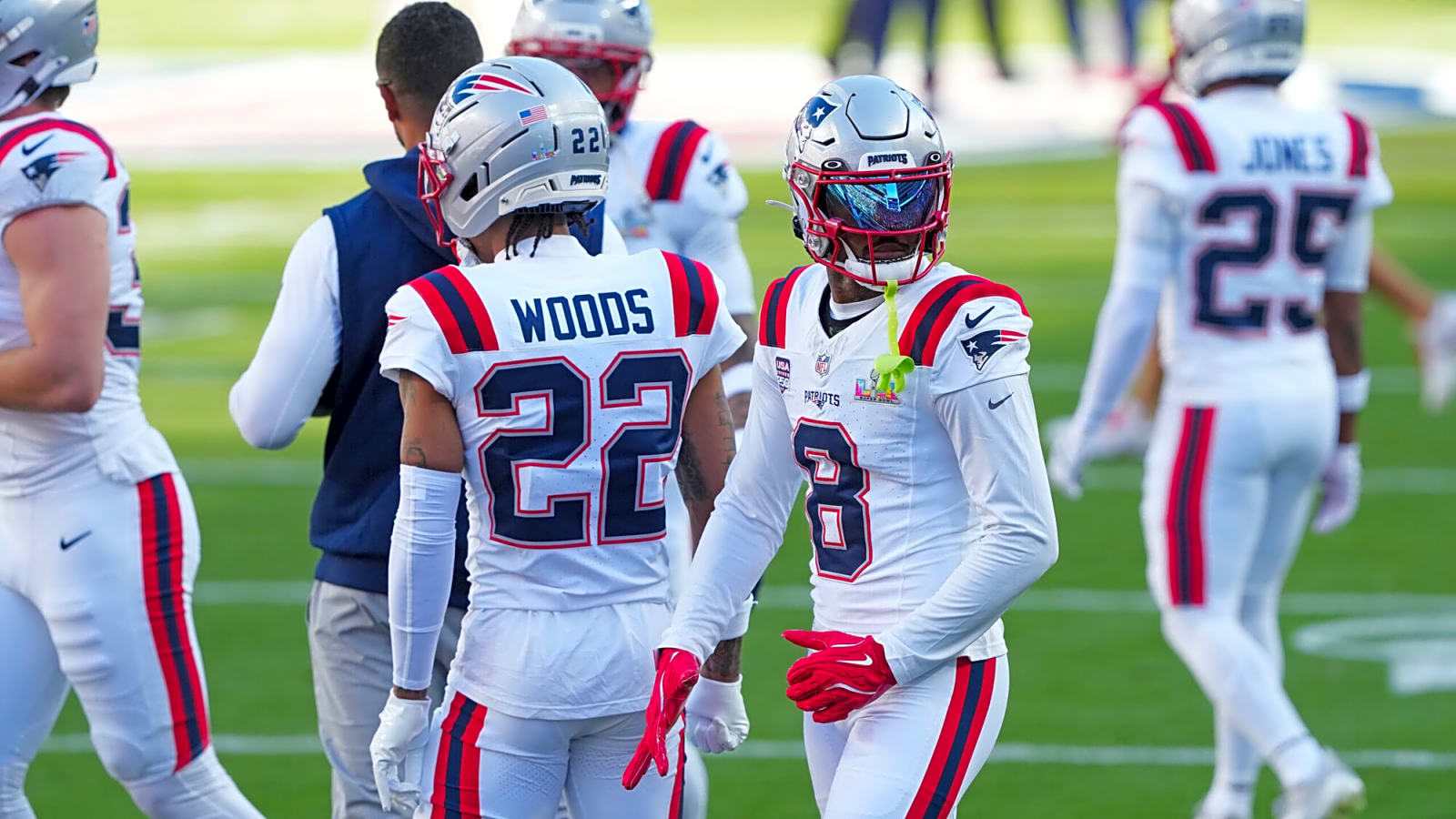
A Massachusetts jury needed just 90 minutes to acquit four-time Pro Bowl receiver Stefon Diggs on felony strangulation and misdemeanor assault charges. Two days of trial. Zero photographs of injuries. Zero medical records. Zero video evidence. The prosecution built its entire case on the testimony of one woman, live-in chef Jamila Adams, and that testimony disintegrated under cross-examination. The accuser’s credibility collapsed so completely that the jury barely needed a lunch break to reject it. And the financial demands she made during the process tell a story the verdict only begins to explain.
The Timeline: 156 Days from Incident to Acquittal
The case moved through the system faster than most felony matters in Massachusetts. The alleged incident occurred on December 2, 2025, at Diggs’ Dedham home. Adams did not go to police that night. Charges were filed on December 30, 2025, roughly four weeks after the alleged assault. The trial opened in early May 2026 and ran two days before jurors returned a not-guilty verdict on May 5. The entire arc spanned about 156 days, a compressed window that left the prosecution little margin to shore up the evidence gaps the defense would expose.
The $19,000 That Became $5.5 Million

Adams started as Diggs’ employee in early 2025, earning roughly $2,000 per week. After the alleged December 2 incident, her initial financial demand was $19,000. Reasonable enough for a wage dispute. Then, three weeks before trial, her attorney demanded $5.5 million. That represents a 289-times multiplier over a five-month window. The defense called it a pattern. The jury apparently agreed. When the amount you’re asking for explodes from back pay to generational wealth during the same period you’re pressing criminal charges, the motive question answers itself. The responding officer, meanwhile, collected no medical evidence whatsoever.
What Strangulation Charges Actually Require in Massachusetts
Felony strangulation under Massachusetts General Laws Chapter 265, Section 15D is not a catch-all assault statute. Prosecutors must prove intentional interference with normal breathing or blood circulation by applying pressure to the throat or neck. The elements typically rely on physical findings, petechiae, bruising, hoarseness, difficulty swallowing, or contemporaneous medical assessment, because self-reported symptoms alone are rarely sufficient at trial. The prosecution presented none of that. That legal context explains why the absence of photographs and medical records was not a minor gap. It was the case.
Five Witnesses, Zero Injuries

Adams testified Diggs slapped her and choked her until she struggled to breathe. Strangulation charges typically require documented breathing or circulation impairment. The prosecution presented none. Household witnesses from Diggs’ orbit testified they saw Adams afterward and observed no injuries. Adams waited roughly four weeks before charges were filed on December 30. For an alleged choking victim, that timeline raised questions the prosecution never answered.
The Text Messages That Didn’t Save the Case

Officer Kenneth Ellis built the police file almost entirely on Adams’ account and text messages she provided. No independent photographs were collected. No other household staff were interviewed at the investigative stage. That created a fundamental problem by the time of trial. Text messages can corroborate a state of mind, but they cannot substitute for physical evidence of strangulation, and they cannot anchor a timeline when the accuser controls which messages are shared. The defense exploited that vacuum and the prosecution had no way to fill it.
A Defense That Never Needed Its Star

Diggs never took the stand. He sat silent through two days of trial while his attorney dismantled the case piece by piece. The defense told jurors they had not been provided with credible evidence that any assault occurred. The prosecution’s closing argument acknowledged Adams was a difficult and evasive witness, then asked jurors not to discard her testimony because she wasn’t a “perfect witness.” The jury discarded it anyway. When the prosecution is apologizing for its own witness, the defense strategy of silence becomes devastating.
Why Diggs’ Silence Was a Calculated Call

Defendants testify when they need to plug a hole. Diggs did not have a hole to plug. The prosecution carried the burden and arrived without the evidence to meet it. Putting Diggs on the stand would have handed prosecutors their only opportunity to create friction through cross-examination, opening the door to his employment history with Adams, prior relationship dynamics, and tone in text exchanges. By staying off the stand, Diggs forced jurors to decide the case on the evidence prosecutors had actually produced. They produced very little, and the acquittal followed.
The Jury’s 90-Minute Math
Jury deliberation length is one of the more reliable informal signals of case strength. Felony deliberations in domestic-violence-adjacent cases commonly run several hours or more, particularly when at least one count carries potential state prison time. Ninety minutes, inclusive of jury instruction review and ballot procedure, suggests jurors walked into the room already aligned. For a felony strangulation charge plus a misdemeanor assault count, that speed is not neutral. It is a verdict on the evidence itself.
The Athlete Targeting Playbook

Diggs’ case exists inside a growing pattern. Athletes with visible contracts become high-value targets for financial extraction through legal pressure. Accusation alone generates media coverage. Media coverage generates reputational damage. Reputational damage generates settlement pressure. The accusation doesn’t need to be true. It just needs to be expensive enough to fight. That calculation is the system nobody talks about.
Two Courts, Two Standards

Criminal court requires proof beyond reasonable doubt. Media court requires a headline. That gap is the engine driving every one of these cases. Diggs won in Dedham District Court because the jury applied evidentiary standards. No photos. No medical records. No corroboration. Not guilty. But the accusation traveled nationally before a single witness testified. NFL teams. Endorsement partners. Fantasy football owners. Dinner table conversations. All of them processed “Diggs charged with strangulation” months before “Diggs acquitted” ever printed. The verdict clears the record. It cannot clear the damage.
“They See Leverage. They See a Settlement.”

Defense commentary after the verdict landed hardest on one theme: professional athletes wearing a uniform and a contract are seen as leverage and a potential settlement, with pressure in the court of public opinion driving default decisions to settle regardless of the facts. The jury had just validated that exact theory in 90 minutes. Adams’ demand jumped from $19,000 to $5.5 million during the trial window. The pattern played out in real time, and twelve jurors watched it happen.
The NFL Personal Conduct Policy Path Forward

Acquittal does not close the league’s file. The NFL’s personal conduct policy permits discipline independent of the criminal outcome, using a lower preponderance standard and drawing on the league’s own investigation. Past cases show the commissioner’s office can review text evidence, witness statements, and employment records even after a not-guilty verdict. For Diggs, that process remains open. The realistic ceiling is a short suspension tied to conduct findings rather than the alleged assault itself, and the realistic floor is no discipline at all given the speed and completeness of the jury’s rejection.
Free Agency Implications

Diggs is eligible for NFL rosters immediately. Receiver-needy contenders spent the spring watching the trial because his market value was frozen until the verdict hit. A clean acquittal resets his leverage for a short-term, incentive-laden deal, the kind of contract that rewards production without committing a franchise to long-term guarantees. Teams with aging receiver rooms or injury-thinned depth charts are the obvious fits. Expect conversations to move quickly now that the legal cloud has lifted and before training camps open.
The Precedent Nobody Expected

This verdict establishes a template. Athletes facing accusation-based financial demands can now point to Diggs: absence-of-evidence defense, financial motive exposure through demand escalation, and rapid acquittal. Future prosecution teams will face pressure to secure corroborating evidence before filing charges. Officer Kenneth Ellis relied solely on Adams’ account and text messages she provided, never collecting photographs or speaking with other witnesses. That investigative standard, exposed at trial, becomes a cautionary reference for law enforcement handling high-profile cases.
What Adams Can Still Face
The legal exposure does not end with the verdict. Adams made escalating financial demands on the public record, and her credibility finding is now baked into the court file. That creates potential civil counterclaim pathways, including defamation, tortious interference, and abuse of process, depending on what evidence surfaces about the demand letters and timing. Employment-law questions also remain live, given the wage-dispute framing of the original $19,000 figure. None of this guarantees litigation, but the trial transcript has handed Diggs’ side a substantial evidentiary starting point if he chooses to pursue it.
Winners, Losers, and the Collateral Damage

Diggs walks free and remains eligible for NFL rosters immediately, though the league’s personal conduct policy allows discipline independent of criminal verdicts. Adams faces potential counterclaim exposure after her credibility collapse and demand escalation became public record. The real losers are harder to see. Future accusers with legitimate grievances now carry the weight of this case’s optics. Every genuine victim who comes forward against a wealthy defendant will hear “remember the Diggs chef” from a defense attorney. That crying-wolf effect is the cruelest ripple. One collapsed case makes the next real case harder to win.
The Cascade That Keeps Moving

Athletes are already adapting. Expect mandatory documentation clauses in household staff contracts. Expect immediate medical examination protocols after any allegation. Expect legal defense funds becoming standard athlete expenses alongside insurance and financial planning. On the other side, victim advocates will push for lower evidentiary thresholds in specific contexts, and accusers’ attorneys will shift strategy toward early civil settlements before criminal exposure creates the kind of cross-examination Adams endured. The Diggs verdict didn’t end this fight. It armed both sides with new weapons. The next case is already forming, and both playbooks just got rewritten.
Do you think the jury got it right, or did the system just hand wealthy defendants a new shield? Tell us where you land.
Sources:
NBC News, “NFL star Stefon Diggs found not guilty of assaulting live-in chef,” May 5, 2026.
Associated Press, “Former Patriots receiver Stefon Diggs is found not guilty of assaulting his personal chef,” May 5, 2026.
ABC News, “Jury finds NFL player Stefon Diggs not guilty on 2 criminal counts,” May 5, 2026.
Massachusetts Lawyers Weekly, “Jury finds ex-Patriots receiver Stefon Diggs not guilty of assaulting chef,” May 6, 2026.
USA Today, “Stefon Diggs assault trial: WR found not guilty of strangulation, assault,” May 6, 2026.
Massachusetts General Laws, Chapter 265, Section 15D, Strangulation or Suffocation statute.
More must-reads:
- NFL schedule release 411: Potential release dates, most interesting games and more
- Patriots have reportedly made massive Mike Vrabel decision amid Dianna Russini controversy
- The 'NBA scoring champions' quiz
Breaking News
Trending News







Customize Your Newsletter
 +
+




Get the latest news and rumors, customized to your favorite sports and teams. Emailed daily. Always free!
PRIVACY POLICY COOKIE POLICY CONTACT US
ABOUT YARDBARKER TERMS OF SERVICE


By using this site, you agree to our Terms of Service and Privacy Policy.
This site is for entertainment purposes only.
There is no gambling offered on this site.
Gambling Problem? Call 1-800-Gambler.
