
-

-


Follow Us
-

 On Facebook
 On Flipboard


Paxton Lynch, the 26th overall pick in the 2016 NFL Draft, earned just $1,800 at the lowest level of his career before a torn LCL ended his latest comeback attempt in Colorado. Once projected as Denver’s future franchise quarterback, he played only 5 NFL games before injuries and instability derailed his path. At 32, his career now sits at the edge of professional football’s final tier. His journey reveals how quickly first-round expectations collapse, and how a decade inside football’s system can leave even elite prospects with little to show when it finally breaks.
Draft Night Dreams Turned Heavy Burden
Paxton Lynch entered the NFL with numbers that demanded belief. At Memphis, he threw for 8,863 yards and 59 touchdowns across three seasons. Denver selected him 26th overall in 2016, a slot carrying a 57% bust rate, tied for the highest risk in round one. That detail stayed hidden amid celebration. The Broncos framed him as their future quarterback. Within five NFL games and a 1-3 record, that future faded. Expectations never disappeared, though. They followed him into every league, shaping what came next.
A Career Label That Never Lifted

The narrative settled quickly around Lynch. Many pointed to talent, yet his physical tools remained clear. At 6 foot 7 with a strong arm, he fit the prototype teams seek. Development never matched expectation. Lynch said Denver never gave him a real chance to grow. A shoulder injury in 2017 erased whatever progress existed. He finished with 4 touchdowns and 4 interceptions in the NFL. The Broncos moved forward. Lynch carried the label alone, and that label influenced every opportunity that followed.
Finding Freedom For $600 Per Game
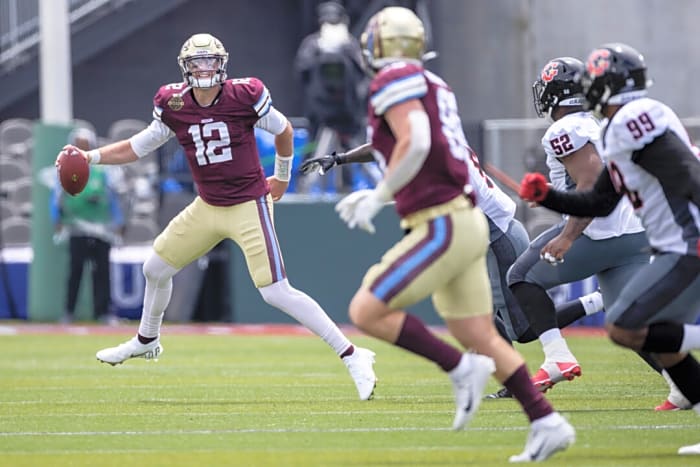
After stops in the USFL and XFL, Lynch signed with the Colorado Spartans in November 2025. The deal paid $600 per game. The drop in earnings reflected his fall through football’s tiers. Yet something changed mentally. “I was going to play as Paxton Lynch. I’m going to be authentically myself,” he said. His debut delivered 220 yards, 3 touchdowns, and a 62.5% completion rate. The joy looked real. Then game three arrived, and the injury shifted everything again.
Inside Football’s Brutal Tier System
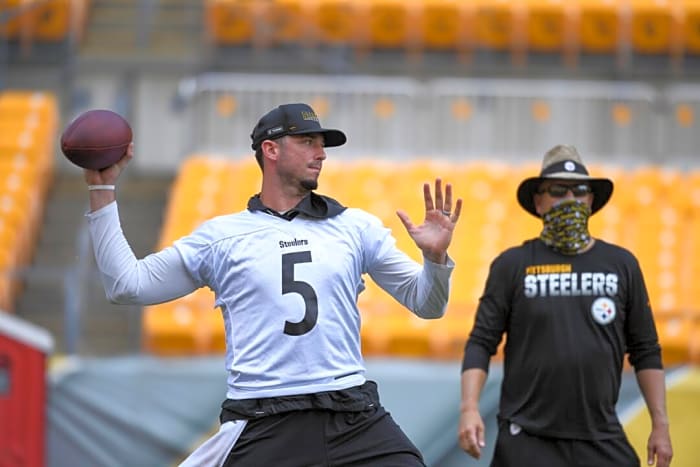
Professional football runs on a strict ladder. The NFL sits at the top, followed by leagues like the USFL and XFL, then arena football, then nothing beyond. Each level reduces salary, exposure, and long term security. Lynch’s $600 per game salary equals about 1/25,000th of an average NFL starting quarterback’s yearly pay. That gap highlights how quickly value disappears once a player drops tiers. The system keeps former prospects active but contained.
The $1,800 Reality That Shocked Many

Lynch earned roughly $1,800 total during his arena stint before the knee injury ended it. His 2016 class included Jared Goff and Carson Wentz, selected first and second overall. Both reached franchise quarterback status at different points. Lynch played only 5 NFL games. Same draft stage, same handshake, completely different outcomes. The contrast shows how narrow success margins are, and why his story extends beyond one individual.
One Injury Ripples Across The League
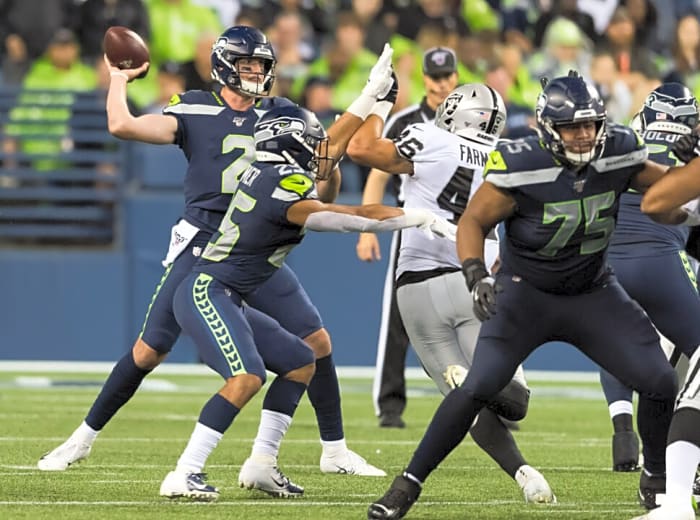
Lynch’s injury affected more than his own career. The Colorado Spartans lost their main attraction before their April 11 home debut, hurting ticket revenue in a league dependent on attendance. Other former NFL quarterbacks saw a pathway vanish. Arena football offered proof that a comeback could exist. That proof disappeared in less than three games. Investors now reassess whether signing former NFL players carries too much injury risk. Those decisions influence future opportunities, and the consequences reach further than expected.
A Pattern That Keeps Repeating
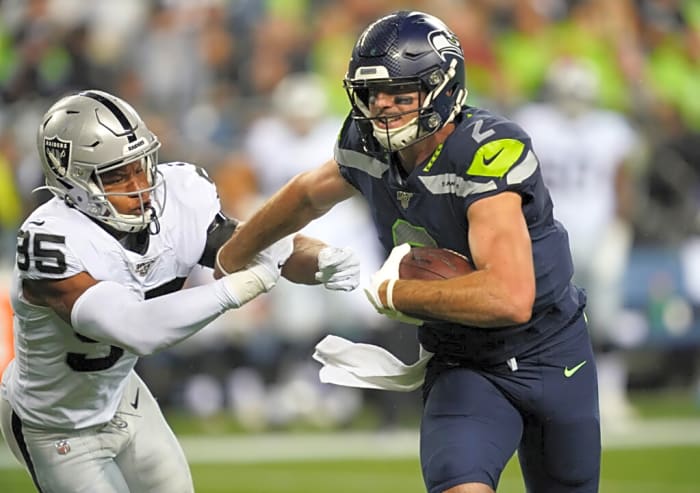
Lynch’s timeline reveals a pattern tied to both injury and opportunity. A shoulder injury stalled his NFL progress in 2017. A torn LCL ended his arena season in 2026. Different leagues, similar outcome. First round draft status creates pressure that lingers long after teams move on. Instead of development, many quarterbacks face years of uncertainty. Lynch’s path shows how quickly promise can shift into survival mode. That shift raises a deeper question about how teams handle high draft picks over time.
What Happens When The Ladder Ends

At 32, Lynch faces limited options. If the LCL requires surgery, recovery could affect long term mobility. Returning at 33 would mean competing in a shrinking window with fewer opportunities. Below the National Arena League, no professional tier remains. “I was pissed off. And it sucks. I didn’t want it to be like this,” Lynch told The Denver Post. That frustration reflects more than one injury. It reflects a decade of setbacks that steadily narrowed every available path forward.
The System That Never Truly Lets Go

Lynch’s story closes with a reality many avoid discussing. Teams will not overhaul development systems because of one case. Arena leagues will continue balancing risk and revenue. Future first round quarterbacks will enter the same structure, facing similar expectations. The system absorbs players at every level until injuries or time end the journey. Lynch reached the final rung and showed how it operates from start to finish. The design remains unchanged, leaving the next prospect to step into the same cycle.
Sources:
Paxton Lynch suffers torn ACL while playing arena football. NBC Sports / ProFootballTalk, April 12, 2026
Ex-Broncos QB Paxton Lynch football comeback cut short by brutal injury. Yardbarker, April 11, 2026
Former Broncos QB Sends Strong Message Amid Major Career News. Heavy.com, April 10, 2026
Ex-Broncos quarterback finds new home in arena football league. Yahoo Sports / Broncos Wire, November 4, 2025
Paxton Lynch — Wikipedia biography and career statistics. Wikipedia, updated April 2026
Memphis football: Paxton Lynch declares for 2016 NFL Draft. NCAA.com, December 31, 2015
NFL Draft Pick Value: Pro Bowl, All-Pro & Bust Rates by Pick Slot. RotoWire, February 16, 2026
More must-reads:
- NFL reporter Crissy Froyd gets fired for post about Dianna Russini
- Vikings legend Cris Carter has bad news for J.J. McCarthy
- The 'Multiple 200 three-pointer seasons' quiz
Breaking News
Trending News




Customize Your Newsletter
 +
+




Get the latest news and rumors, customized to your favorite sports and teams. Emailed daily. Always free!
PRIVACY POLICY COOKIE POLICY CONTACT US
ABOUT YARDBARKER TERMS OF SERVICE


By using this site, you agree to our Terms of Service and Privacy Policy.
This site is for entertainment purposes only.
There is no gambling offered on this site.
Gambling Problem? Call 1-800-Gambler.
