
-

-


Follow Us
-

 On Facebook
 On Flipboard
 On Twitter

Mark Davis stood at a podium in Phoenix on March 31, 2026, and told reporters that his franchise’s succession plan meant “Nothing. Absolutely everything runs exactly the way it’s been.” Thirty-two NFL owners had just voted on the future of his family’s team. The room had already decided something Davis either couldn’t see or wouldn’t say. Five months earlier, his mother died. Now the league wanted answers about who comes next. Davis gave them one, whether he meant to or not.
The Deal Behind the Denial
NFL owners approved the sale of a 7% Raiders stake to Egon Durban and Michael Meldman, valuing the franchise at $11.1 billion. Durban, co-CEO of private equity giant Silver Lake, already owned 7.5% from a December 2024 purchase. Combined with Meldman, the pair now controls a confirmed 18.5%, with Meldman’s additional 3.5% tranche expected to push the combined position to 22% upon approval. That combined position came with something far more valuable than equity: a contractual right of first refusal on the entire majority stake. Davis is 70 years old with no children. The clock attached to that contract runs on biology.
A Franchise That Outgrew Its Family

The Raiders were valued at $2.1 billion in 2016. A decade later, the number is $11.1 billion. That 429% growth turned a family heirloom into something no family can afford to keep. Carol Davis, Mark’s mother and co-owner, died October 24, 2025, at age 93. Her death triggered the NFL’s succession mandate. The league requires every team to submit updated succession plans annually to the commissioner. Davis admitted it himself: “The NFL forces you to have a succession plan.” Forced is the operative word.
The Man Who Said Nothing While Selling Everything

Davis has divested roughly 32.5% of the franchise’s equity, with additional tranches expected to push that figure higher by year-end. Tom Brady holds 5%, purchased at a below-market cost of approximately $122 million. Durban and Meldman hold a confirmed 18.5%, with Meldman’s additional 3.5% tranche expected to push the combined position to 22% upon approval. Others hold smaller pieces. Yet Davis insists nothing has changed. He sold this combined position to the one person holding a legal right to buy the rest. That right locks out every other bidder on earth. If Davis or his heirs ever sell, Durban gets first call. One man. One phone call. One outcome already written into the contract.
The Tax Trap Nobody Escapes

The federal estate tax exemption sits at $15 million. The Raiders are worth $11.1 billion. That exemption covers roughly 0.135% of the franchise’s value. Any heir who inherits a majority stake faces a tax bill so enormous that selling becomes the only option. Durban, with his pre-negotiated right of first refusal, stands at the front of that line. The succession plan doesn’t help Davis’s family hold the team. It guarantees they can’t. Like writing a will that names the buyer before the funeral.
What $11.1 Billion Actually Bought
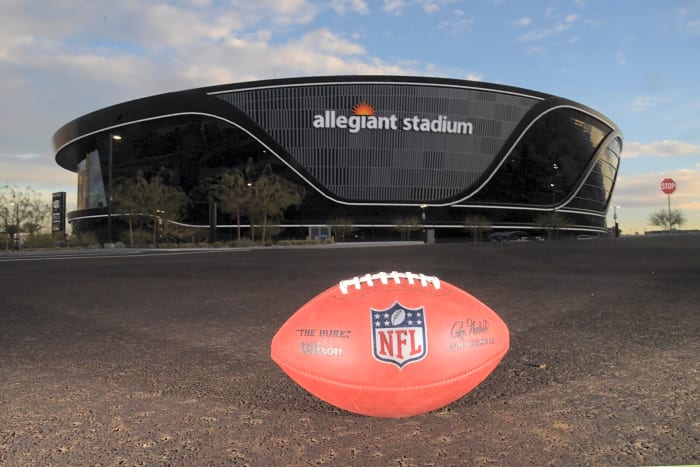
Allegiant Stadium generated $281 million in entertainment revenue in 2025, ranking as the highest-grossing venue in America. The franchise jumped from $6.7 billion in 2024 to $11.1 billion in 2026, a 66% surge. Durban structured the $55 billion Electronic Arts acquisition backed by Saudi Arabia’s Public Investment Fund, the world’s largest leveraged buyout. He didn’t buy into the Raiders for the football. He bought the revenue machine underneath it. That machine now sits inside a PE succession pipeline.
The Dominos Behind Davis

Durban can exercise an additional 3.5% stake option by the end of 2026, pushing his individual position toward 14.5%. But the Raiders are just the template. Every aging NFL owner without heirs faces the same succession mandate, the same estate tax math, and the same PE firms circling. Private equity ownership rules have loosened across every major sports league. The NFL didn’t just approve one deal in Phoenix. It approved a blueprint for replacing family ownership with institutional capital, one franchise at a time.
The New Rule Disguised as an Exception
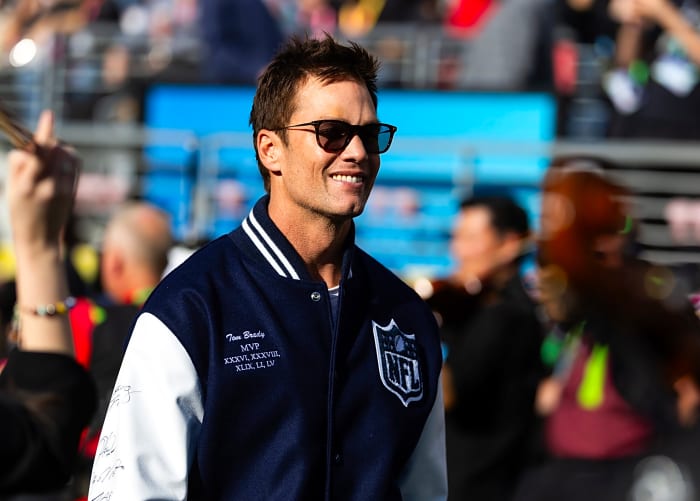
Brady tried to play quarterback while owning his 5% stake. The NFL rejected it. “I actually have inquired, and they don’t like that idea very much,” Brady said. The league enacted a player-owner conflict policy in 2023. Legends get advisory roles. PE titans get purchase options on entire franchises. Once you see the pattern, every minority stake sale in the NFL looks different. They aren’t passive investments. They are staged acquisitions with built-in escalation rights, waiting for mortality to trigger the next phase.
A Countdown With No Off Switch

The deal includes a 10% flip tax paid to the NFL, a condition from the 2020 Las Vegas relocation. On a 7% purchase price of approximately $777 million, that flip tax extraction approaches $77.7 million. The league profits from the transfer it mandated. Davis’s heirs, if any existed, would face estate taxes, flip taxes, and a predetermined buyer holding contractual priority. The counter-moves are bleak: sell early at Durban’s pre-negotiated price, or lobby for estate tax reform that Congress shows no interest in passing.
The Franchise That Can’t Stay in the Family

Al Davis built the Raiders into one of football’s most defiant franchises. His son lit the ceremonial torch two days after burying his mother. Months later, he stood at a podium and called the transfer of his family’s legacy “nothing.” Most people heard a confident owner. The smarter read is a man describing his own powerlessness. Every NFL owner over 65 without an heir should hear that quote and recognize their own future. The succession plan isn’t coming for Davis. It already arrived.
Sources
“NFL Approves Sale of 7% of Las Vegas Raiders at Over $11 Billion Valuation.” CNBC, March 31, 2026.
“NFL Owners Approve Mark Davis’ Raiders Succession Plan.” ESPN, March 31, 2026.
“Raiders Valued at $11B in Recent Minority Stake Deal, Report Says.” Las Vegas Review-Journal, April 1, 2026.
“Silver Lake’s Durban Has Deal for Stake in Raiders.” Sports Business Journal, November 2024.
“Raiders Owner Mark Davis Says Minority Share Sale Won’t Affect Franchise Operations.” Sports Business Journal, April 1, 2026.
More must-reads:
- Why Raiders' Kirk Cousins signing is a major win for Fernando Mendoza
- Cowboys have a dangerous plan for George Pickens' contract
- The 'Rushing-TD leaders by NFL team' quiz
Breaking News
Trending News



Customize Your Newsletter
 +
+




Get the latest news and rumors, customized to your favorite sports and teams. Emailed daily. Always free!
PRIVACY POLICY COOKIE POLICY CONTACT US
ABOUT YARDBARKER TERMS OF SERVICE


By using this site, you agree to our Terms of Service and Privacy Policy.
This site is for entertainment purposes only.
There is no gambling offered on this site.
Gambling Problem? Call 1-800-Gambler.
