
-

-


Follow Us
-

 On Facebook
 On Flipboard
 On Twitter
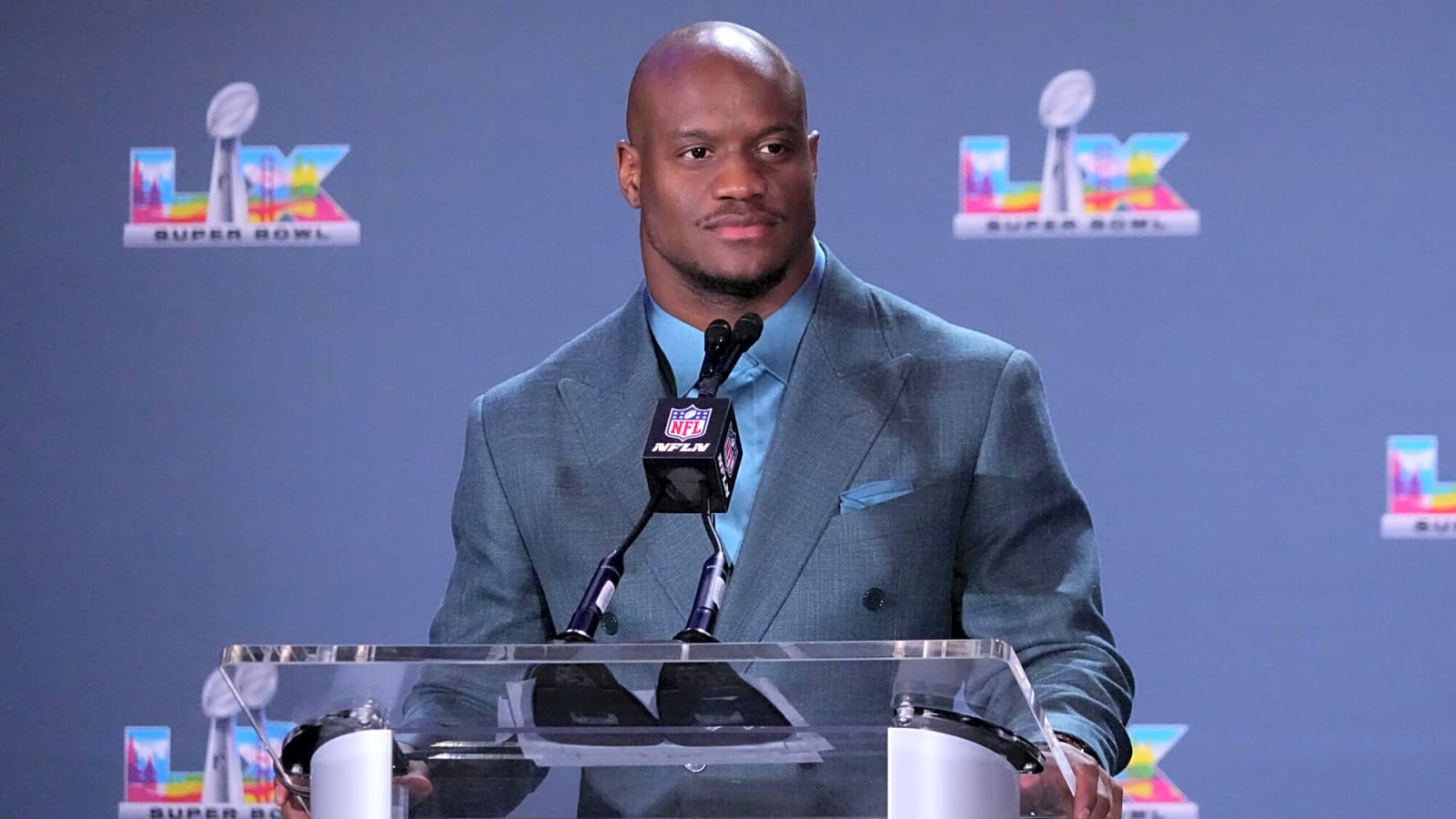
The report landed like a grenade in a quiet room. Kenneth Walker III, the Seahawks’ running back, didn’t demand a trade on camera. Didn’t torch the coaching staff on social media. The word that leaked was smaller than that, and worse: “irked.” One word. Carefully chosen, impossible to walk back. Somewhere inside that Seattle facility, the relationship between a productive back and the franchise paying him had already cracked before anyone outside the building knew it existed.
Quiet Fracture
Walker’s frustration didn’t erupt overnight. Reports framed the departure as rooted in trust and role breakdown, not statistics. His rushing and receiving numbers were public on Pro Football Reference for anyone to check. The production was there. The problem was somewhere else entirely. That gap between what the stat sheet said and what the player felt is where this story lives. Seattle had a back who could play. They lost him because playing wasn’t the issue.
The Myth

Most fans assume the same thing: if a player produces, he’s happy. If he leaves, it’s about money. That assumption collapses the moment emotional language enters the conversation. “Irked” isn’t a contract dispute. It’s not an agent leaking a number. It’s a player whose role expectations and the team’s roster math stopped aligning. Cap databases like Spotrac and Over The Cap tracked Walker’s contract figures in parallel. The money was quantified. The respect apparently wasn’t.
The Real Fire
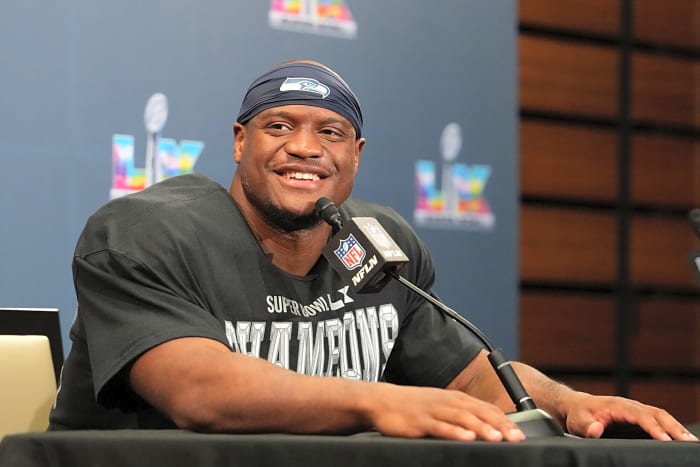
Call it a divide if you want: the team’s roster math and the player’s role expectations collided. That one word, “irked,” is the smoke. The fire controls touch and career lifespan. Running backs operate on a biological clock that no other position shares. Every carry is currency. Every committee snap is a devaluation. Walker didn’t just want more reps. He wanted acknowledgment that his window matters. Seattle treated it as depth-chart management. He experienced it as disrespect.
The Machine

The NFL built an entire labor framework around exactly this kind of friction. The NFLPA exists because “role, pay, respect” disputes aren’t anomalies. They’re structural. Cap accounting tools convert players into dollar figures on spreadsheets, and those spreadsheets drive roster decisions that players experience as personal rejection. That’s the hidden mechanism: depth-chart politics become identity conflict. A front office sees efficiency. A running back sees his career being managed into irrelevance, one committee snap at a time.
Zero Sum

Backfield touches are the most ruthless zero-sum economy in football. One player’s increased usage is another’s lost earnings window. Walker’s season-by-season production, tracked across official NFL and statistical databases, told one story. The touch distribution told another. When a back believes his usage threatens both his market value and his physical prime, cooperation becomes irrational. Leaving becomes the only rational move. That’s not disloyalty. That’s a player reading the spreadsheet the same way the front office does.
Ripple Effect
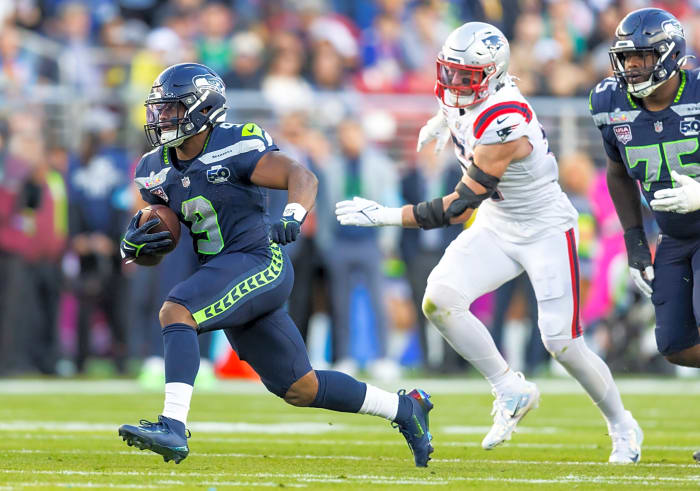
Once “irked” entered the public record, the leverage shifted permanently. Fans and media demanded specifics. Team messaging tightened. Agents pushed exits. The Seahawks’ backfield situation became a case study in how emotional framing accelerates departures across the league. Every team with a committee approach watched this unfold. Every running back splitting carries with a cheaper alternative did the math on his own window. Walker’s exit reinforced a leaguewide sensitivity around RB usage that front offices can no longer ignore.
New Rule

This wasn’t an exception. Emotional framing has become a lever in exit narratives, reshaping how departures are negotiated and narrated. The old belief that players leave only for money died in that one leaked word. Role clarity and respect can outweigh marginal dollars. Once you see that “irked” was never about a single incident but about accumulated erosion of trust, the entire running back market looks different. Touches equal power. Power equals career lifespan. Seattle forgot that equation.
Dominoes Falling

The next running back in a committee backfield who watches his snap count shrink will remember Walker’s exit. More leaks follow. Locker-room sides form. Trade and exit pressure build. The escalation path is predictable because the system produces it reliably. Meanwhile, Seattle will emphasize “competition” and “best for the roster” language, the same corporate vocabulary that made Walker feel commoditized in the first place. The countermove and the original problem share the same DNA.
System Literate

Most people will remember this as a running back leaving Seattle. The real story is what “irked” revealed about how NFL roster economics convert human beings into line items, and how one word can expose the gap between a franchise’s public messaging and its internal priorities. Knowing that distinction puts you ahead of every fan still arguing about stats. The Seahawks will fill the roster spot. The question nobody in that building wants to answer is how many productive players felt the same thing and just never said it.
Sources
MSN, 2025 , multiple articles on Walker’s “irked” frustration and Seahawks departure, 2025
Pro Football Reference , Kenneth Walker III career statistics page
Over The Cap , Kenneth Walker III contract and cap data
Spotrac, Kenneth Walker III NFL Contracts & Salaries
NFLPA , general NFL Players Association labor framework information
ESPN , reporting on Walker’s departure and Seahawks backfield situation, 2025
More must-reads:
- Five teams that should consider NFL Draft trades
- Insider shares notable update on Shedeur Sanders' status with Browns
- The 'Rushing-TD leaders by NFL team' quiz
Breaking News
Trending News






Customize Your Newsletter
 +
+




Get the latest news and rumors, customized to your favorite sports and teams. Emailed daily. Always free!
PRIVACY POLICY COOKIE POLICY CONTACT US
ABOUT YARDBARKER TERMS OF SERVICE


By using this site, you agree to our Terms of Service and Privacy Policy.
This site is for entertainment purposes only.
There is no gambling offered on this site.
Gambling Problem? Call 1-800-Gambler.
