
-

-


Follow Us
-

 On Facebook
 On Flipboard
 On Twitter

Free agency opened with a frenzy across the NFL. Teams tossed around big contracts: pass rushers, quarterbacks, cornerbacks. In Seattle, things stayed quiet. The phone barely rang. Other teams held press conferences to show off flashy new signings. The Seahawks mostly watched as familiar faces left, their spots filled by lesser-known names. The roster page told the story: stars out, budget signings in. For fans used to a championship mindset, the silence was loud. The rest of the league was shopping. Seattle was just watching.
A Quiet Free Agency in Seattle
The verdict arrived: ESPN tagged the Seahawks as the “least improved” team in the NFL after free agency. Dead last. The label stings, especially during the part of the year when every fan is hungry for hope and new faces. Seattle’s salary cap situation, visible on sites like OverTheCap and Spotrac, explained much of it. The team was tied up with dead money from old contracts and current obligations, leaving little room to maneuver. Other teams bulked up. The Seahawks’ depth chart got thinner. Anxiety creeps in for fans, seeing the gap between what they hoped for and what actually happened.
The Least Improved Label

Many assume that a quiet free agency means the front office is failing. Spend big, win big: that’s the common belief among fans and pundits. The people managing the salary cap see a different game. In the NFL, every dollar spent is a tradeoff. Spend now, pay later. Seattle’s restraint sometimes looks like failure, but only when improvement is measured by big-name signings instead of smart, cost-effective moves. March “grades” do not account for rookies who might step up in April. That “least improved” tag is just a headline, not an official score.
The Value of Cap Discipline
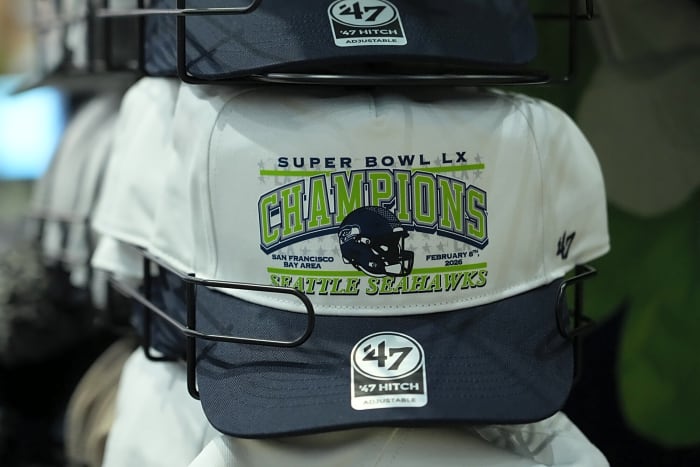
Beneath the surface, the plan was intentional. Seattle entered the offseason with a clear choice. The front office prioritized financial discipline over pricey veterans, valuing draft picks and future flexibility above splashy March spending. Every dollar saved can go toward re-signing stars, adding players midseason, or making moves next year. Relying on cheaper vets and rookies carries risk, but it could pay off. This strategy is a calculated gamble. The results will become clear as the season unfolds.
How the Salary Cap Shapes Reality

The salary cap acts as an invisible referee in free agency. Most fans never see it in action. Old contracts with “dead money” eat up cap space before a single new deal is signed. The NFLPA marketplace shows how much some positions cost. Seattle’s front office saw those prices and decided to pass. “Improvement” is often about grabbing headline names, not building efficiently. Teams that refuse to overpay often face criticism in March, but the numbers can look better by September.
How Improvement Gets Measured

Seattle’s results from last season, available on Pro Football Reference, set the bar for all these “improvement” claims. The “least improved” label assumes the team has not gotten better, or perhaps even got worse. The media never discloses exactly how those grades are calculated. No magic number or official formula exists. The grade usually reflects how many well-known players arrived or left. Teams can improve with smarter coaching, better schemes, or developing young talent. None of that appears on a March scorecard.
How Rankings Shape the Season

These rankings do not just live on spreadsheets. They shape how fans and the media talk about the team going into the season. If the Seahawks start slow, that “least improved” label grows heavier. The result is more questions for the coaches and front office. How the team spends its money now affects contract extensions, guarantees, and future roster cuts. If some big-money signings on other teams become cap disasters, more franchises will start emphasizing “cap health” over splashy additions. Even solid veterans may lose bargaining power as teams grow more patient and less willing to overpay in the rush of spring.
Perception Versus Performance

This is not a one-off. Media grades now work like online reviews for roster-building, and front offices pay attention. Perception can matter as much as performance. The so-called “offseason winners” are often the teams willing to borrow from the future. Sometimes the loudest teams in March end up with the biggest regrets later, weighed down by bad contracts. Cap tables show why teams swing between big spending and tough resets. The cycle repeats itself.
The Real Test Starts After March

Seattle’s chance to turn things around arrives soon: the draft and a wave of late free-agent signings. After June, plenty of veterans become available at bargain prices, giving disciplined teams another shot at upgrades that March rankings miss. If the approach fails, the fallout can be quick and harsh. A few early losses, and the narrative shifts from “patient strategy” to “front office meltdown.” The coaching staff will be under the microscope, trying to make those value signings work. Patience will expire in September.
What Comes Next for Seattle

The next stage is underway: Seattle must succeed in the draft, target post-June bargains, and preserve cap space for midseason trades when other teams look to move talent. Many fans see an empty roster and worry. Those who understand the salary cap see potential. This is the divide created in the offseason. The gap between “least improved in March” and “least improved when the season ends” is significant. Seattle is betting that the story will look different at the finish line.
Sources:
Seahawks.com — “The Seahawks Are Super Bowl LX Champions” — February 7, 2026
Sports Illustrated (SI.com) — “Seahawks Dubbed NFL’s Least Improved Team Following Free Agency” — March 16, 2026
12th Man Rising — “3 Winners (and 2 Losers) for the Seahawks After the First Wave of Free Agency” — March 14, 2026
Spotrac — “Seattle Seahawks 2026 Cap Table” — March 16, 2026
The Athletic (via NYT) — “Coby Bryant Agrees to Free-Agent Deal With Bears: Sources” — March 9, 2026
More must-reads:
- Travon Walker's contract extension could be long-term steal for Jaguars
- Insider shares notable update on Shedeur Sanders' status with Browns
- The 'Rushing-TD leaders by NFL team' quiz
Breaking News
Trending News




Customize Your Newsletter
 +
+




Get the latest news and rumors, customized to your favorite sports and teams. Emailed daily. Always free!
PRIVACY POLICY COOKIE POLICY CONTACT US
ABOUT YARDBARKER TERMS OF SERVICE


By using this site, you agree to our Terms of Service and Privacy Policy.
This site is for entertainment purposes only.
There is no gambling offered on this site.
Gambling Problem? Call 1-800-Gambler.
