
-

-


Follow Us
-

 On Facebook
 On Flipboard
 On Twitter
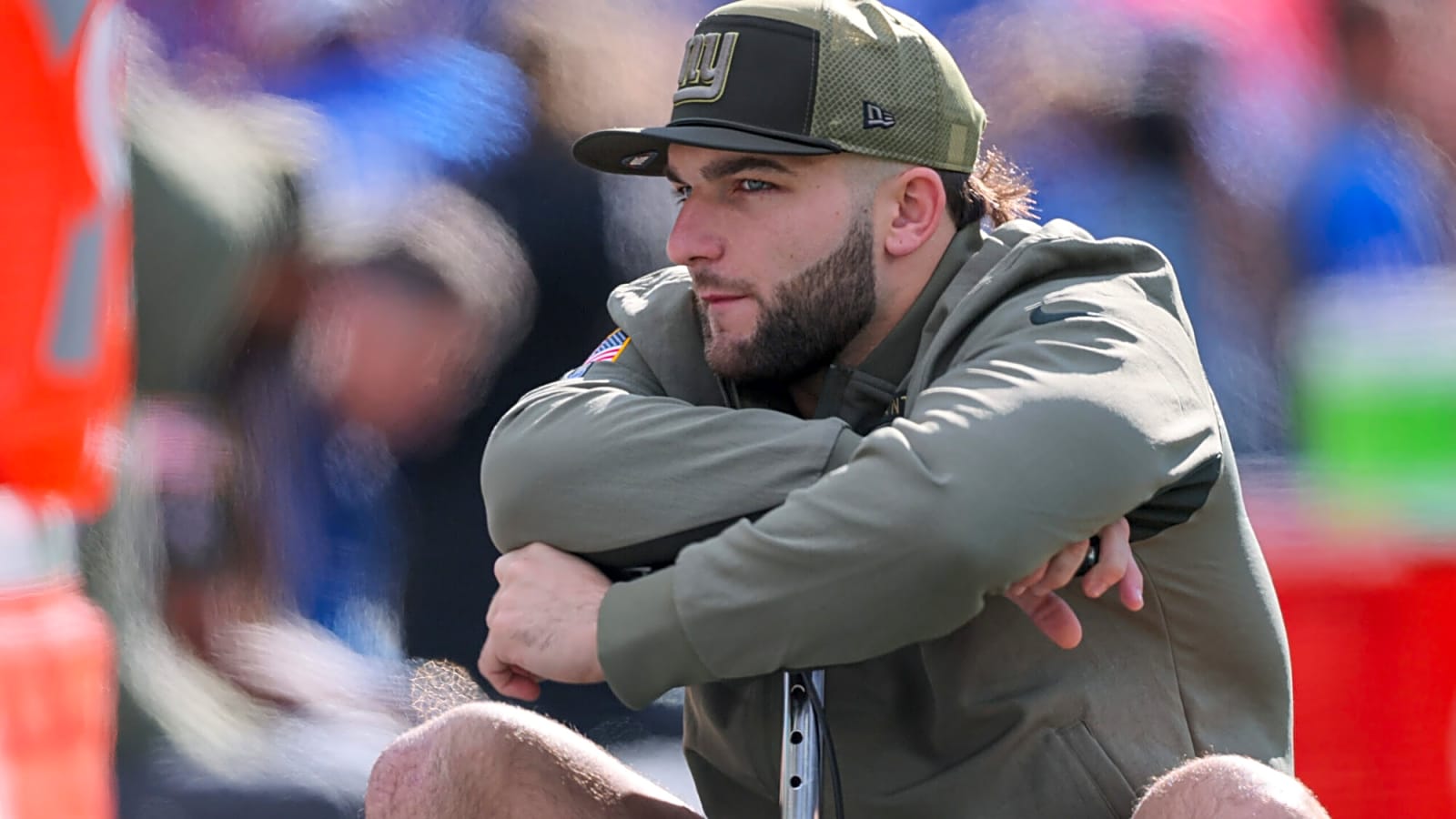
New York Giants running back Cam Skattebo ignited a firestorm earlier in March 2026 when he flatly declared on the Bring the Juice podcast that CTE, Chronic Traumatic Encephalopathy, is simply “an excuse.” The 25-year-old shook his head dismissively when asked whether the degenerative brain disease is real. The clip went viral almost instantly, drawing sharp condemnation from medical professionals, former NFL players, and advocates who have spent years fighting to have CTE recognized as a legitimate and deadly consequence of professional football.
“Asthma’s Fake Too. You’re Just Soft”
Skattebo’s remarks didn’t stop at CTE. When podcast host Frank Dalena suggested that asthma was also “an excuse,” Skattebo enthusiastically agreed. “No, that’s a good take,” he said. “Yes, asthma’s fake too.” He went further, telling asthma sufferers to “just breathe air,” and adding, “You’re just soft.” The comments, delivered with apparent confidence, alarmed the medical community. According to the World Health Organization, asthma affected an estimated 262 million people worldwide in 2019, making Skattebo’s dismissal particularly tone-deaf to millions of sufferers globally.
Apology Issued Days After Podcast Clip
After the podcast clip spread rapidly across social media, Skattebo posted a formal apology on March 21, 2026. “I recently did an interview and had a lapse in judgment, which resulted in me making a tasteless joke about CTE and asthma,” he wrote. “It was never my intention to downplay the seriousness of head injuries or asthma. I sincerely apologize to anyone that was offended by my remarks, and I assure you that I’ll be more mindful and respectful going forward. MUCH LOVE!!!” The apology was widely seen as necessary but insufficient by critics.
A Hall of Famer’s Son Speaks Out
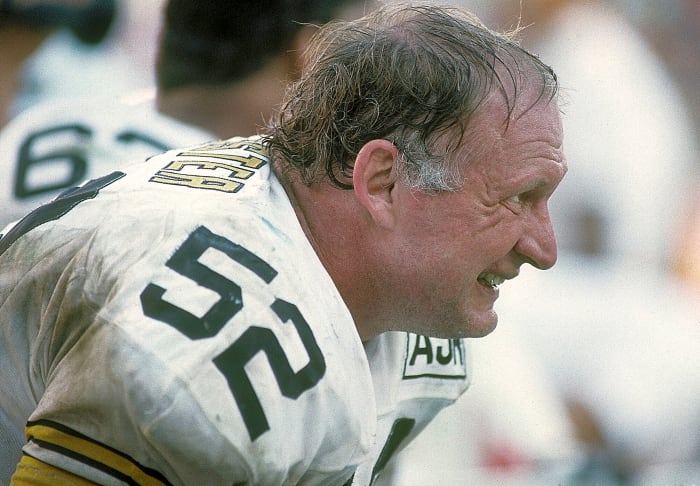
Among the most pointed responses came from Garrett Webster, son of late Pittsburgh Steelers center Mike Webster, the first NFL player ever posthumously diagnosed with CTE, and a Pro Football Hall of Famer enshrined in 1997. “Mr. Skattebo, my father was Mike Webster,” Garrett wrote on social media. “You might not know him but he suffered from CTE. I’m glad that you recognize your words were unacceptable. Please understand CTE has destroyed the lives of many former players and their families. Be better in the future. Rooting 4 u.” The message carried particular weight given that Mike Webster’s posthumous diagnosis, published in 2005 by Dr. Bennet Omalu, was a watershed moment that helped launch the entire modern conversation around CTE and professional football.
His Mother Steps In With a Defense
Skattebo’s mother, Becky Skattebo, took to X to offer context for her son’s remarks, framing them as failed sarcasm rather than genuine belief. “If only people knew how many times Cam had to ‘run and get mom’s inhaler,’ they’d realize the sarcasm,” she wrote. “You’ll never make everyone happy, and you’ll never say all the right things, and people are bound to spin something sooner or later in a direction it was never intended to go.” Her defense received a mixed reaction, with many pointing out that intent does not erase the impact of harmful messaging.
What CTE Actually Is
Chronic Traumatic Encephalopathy is a progressive, degenerative brain disease linked to repeated head impacts over time, not just a single traumatic event, according to the Mayo Clinic. It can only be definitively diagnosed posthumously through brain tissue examination. Symptoms in living patients include memory loss, confusion, impaired judgment, depression, and progressive dementia. The condition has been found in athletes, military veterans, and others with histories of repeated blows to the head. It is not a diagnosis that physicians hand out casually, it requires verified neuropathological evidence.
The Research Is Overwhelming
A landmark 2023 study by Boston University’s CTE Center found that more than 40% of youth, high school, and college athletes, predominantly football players, who were exposed to repetitive head impacts and died before age 30 were diagnosed with CTE, based on the examination of 152 donated brains. A separate landmark study published in JAMA examined 111 donated brains from former NFL players and found CTE in 110 of them, a staggering prevalence that cemented the scientific link between professional football and the disease. The scientific consensus is clear: CTE is real, well-documented, and directly tied to contact sports.
Families Have Paid the Ultimate Price
The human cost of CTE is not abstract. Notable NFL players posthumously diagnosed with the disease include Junior Seau, Conrad Dobler, and Dave Duerson, men whose deaths devastated families and galvanized the push for greater awareness and player protection. Dave Duerson, a former Chicago Bears safety, even left a handwritten note requesting that his brain be studied for CTE research before taking his own life in 2011. These cases form the foundation of the CTE conversation in professional football and make a player’s public dismissal of the condition deeply painful for surviving families.
Skattebo’s Own Teammate Was Concussed Repeatedly

The irony of Skattebo’s remarks is hard to overlook given events on his own team during the 2025 season. His Giants quarterback, Jaxson Dart, was checked for concussions multiple times throughout the season and missed time after being officially diagnosed with one. Head injury protocol is not a distant concept for the Giants, it is part of their daily operational reality, making Skattebo’s casual dismissal of CTE all the more jarring to teammates, coaches, and observers.
Column Calls on NFL to Step Up Education
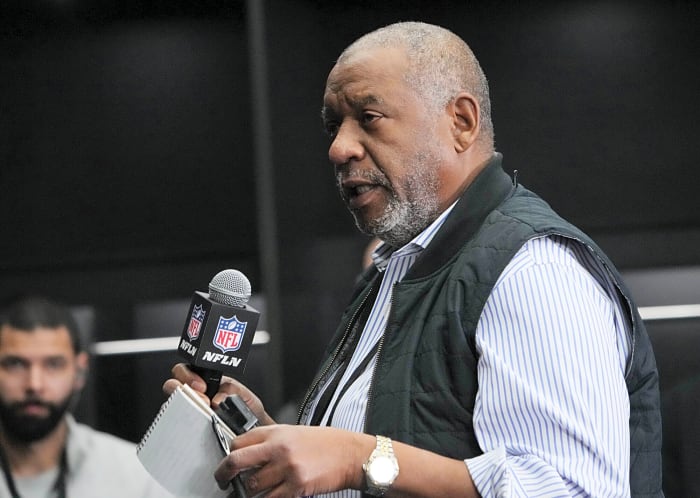
USA Today sports columnist Jarrett Bell argued in a March 24, 2026 column that Skattebo’s apology, while a start, should prompt a broader reckoning. Bell called on the NFL to intensify its CTE research and education programs so that active players, especially young ones, receive robust, science-based information about the neurological risks they face. The NFL has publicly committed to concussion awareness in recent years, but critics contend that league-wide education remains inadequate. Skattebo’s remarks, Bell argued, reflect a troubling knowledge gap that the league has a responsibility to close.
A Promising Player With a Lesson to Learn

Despite the controversy, Skattebo’s football credentials remain strong. The 25-year-old was selected by the Giants in the fourth round of the 2025 NFL Draft and quickly became a fan favorite, scoring seven touchdowns across eight games before a gruesome ankle injury ended his debut season prematurely. He enters his second NFL season with significant promise, and now, a very public lesson in the weight that professional athletes carry when speaking on issues of health, science, and the well-being of the very players who built the league he plays in.
Sources:
“Asthma Fact Sheet.” World Health Organization, 2019.
“BU CTE Center Publishes Largest CTE Case Series Ever in Youth, High School and College Athletes.” Boston University CTE Center, August 2023.
“Clinicopathological Evaluation of Chronic Traumatic Encephalopathy in Players of American Football.” JAMA, July 2017.
“Giants’ Skattebo Apologizes for Tasteless Joke on CTE and Asthma.” ESPN, March 2026.
“NFL RB Cam Skattebo’s Apology Should Go a Step Further.” USA Today, March 24, 2026.
“Mike Webster Player Profile.” Pro Football Hall of Fame, 2026.
More must-reads:
- Why Raiders' Kirk Cousins signing is a major win for Fernando Mendoza
- Broncos seem to share strong responses to wild Aaron Rodgers report
- The 'Rushing-TD leaders by NFL team' quiz
Breaking News
Trending News





Customize Your Newsletter
 +
+




Get the latest news and rumors, customized to your favorite sports and teams. Emailed daily. Always free!
PRIVACY POLICY COOKIE POLICY CONTACT US
ABOUT YARDBARKER TERMS OF SERVICE


By using this site, you agree to our Terms of Service and Privacy Policy.
This site is for entertainment purposes only.
There is no gambling offered on this site.
Gambling Problem? Call 1-800-Gambler.
