-

-


Follow Us
-

 On Facebook
 On Flipboard


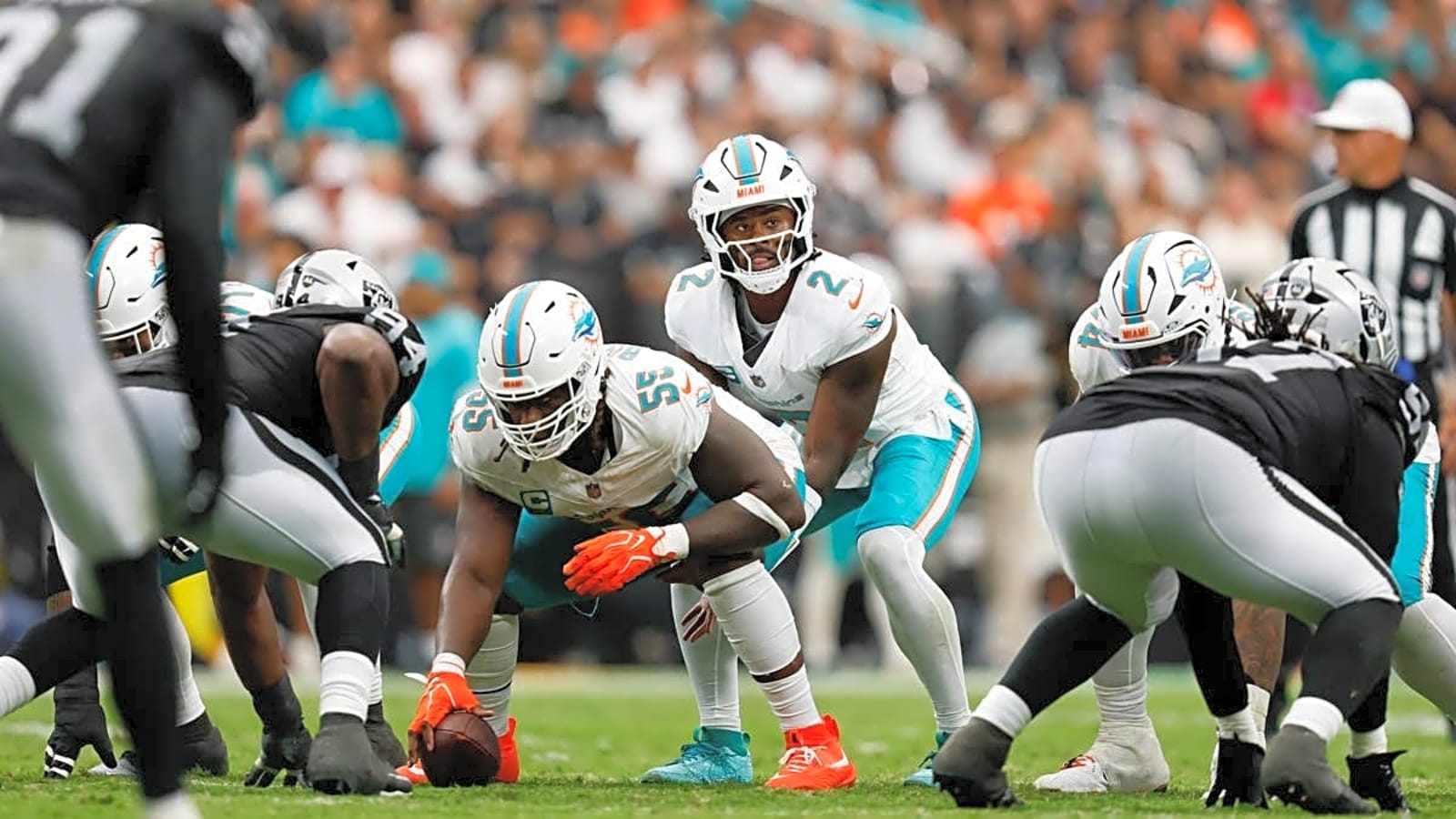
For Bobby Slowik, a passing game that reaches multiple receivers can be more encouraging than one dominated by a single big performance. The Miami Dolphins offensive coordinator likes what that distribution suggests about Malik Willis’ decisions, even as he sees unfinished work in the offense’s consistency.
“I always think it’s good to spread the ball around,” Slowik said.
A reporter noted that five receivers had surpassed 30 receiving yards, with nobody exceeding 46. Slowik’s response focused less on the absence of a standout total than on the difficulty a balanced attack creates for defenders.
“I think that’s a lot harder on the defense,” he said.
The Details
When one receiver produces most of the damage, Slowik explained, the defense has a clearer idea of what it needs to eliminate. Distribution complicates that task, particularly when the quarterback trusts his reads.
“When you start distributing it and the quarterback’s confident enough to really get the ball distributed everywhere,” he said, “that gets really hard to stop really fast consistently.”
The Dolphins have not yet paired that breadth with the reliability Slowik wants. Too many possessions ended before the offense could establish momentum.
“I thought last game we had too many three and outs,” he said.
More Than One Player
He spread responsibility across the offense rather than isolating the quarterback. Better results require consistent execution, consistent play calling, correct passing decisions and receivers arriving where they belong.
“When we have a lot of targets to different people, it usually means we’re getting across our progressions pretty good,” Slowik said.
Those progressions also help explain another area under discussion. Opportunities for Willis to run. Slowik acknowledged that Miami left some chances unused, but cautioned that an opening visible on film is not necessarily obvious to a quarterback scanning downfield.
“It was a little easier to see some of them on film than I think it was live in the moment of the game,” he said.
The opposing defense mixed its rush patterns and changed where openings appeared. Recognizing a running lane while moving through receiving options presents a different challenge from watching a replay specifically to locate that lane.
“That’s something we’re working on,” Slowik said. “We’re training on and I know Malik’s training on.”
He was similarly measured about an interception that ricocheted off a defensive tackle. Slowik said Willis was hit near the back of his arm as he released the pass, affecting a play that already had an unusual outcome.
“That one was a little unusual,” he said.
Coaches still examine what could improve, even on awkward plays. Slowik said Willis has been receptive to those conversations and willing to incorporate adjustments.
“Keep working on it, keep grinding on it,” he said.
But improvement also means distinguishing correctable mistakes from outcomes a quarterback cannot fully control. Slowik does not want an unfortunate bounce to undermine the next decision.
“There’s some that are fluke situations that you can’t quite handle,” he said.
The assignment is to learn what can be learned, then continue playing.
“I can only control what I can control,” Slowik said, “and let me go out and let me rip the next one.”
More must-reads:
- Terry Bradshaw shares new information on the Troy Aikman-Joe Buck feud
- The market has spoken: Colts' Jonathan Taylor reportedly more likely to stay than go
- The 'Most QB wins in a season' quiz
Breaking News
Trending News






Customize Your Newsletter
 +




Get the latest news and rumors, customized to your favorite sports and teams. Emailed daily. Always free!
PRIVACY POLICY COOKIE POLICY CONTACT US
ABOUT YARDBARKER TERMS OF SERVICE


By using this site, you agree to our Terms of Service and Privacy Policy.
This site is for entertainment purposes only.
There is no gambling offered on this site.
Gambling Problem? Call 1-800-Gambler.