-

-


Follow Us
-

 On Facebook
 On Flipboard


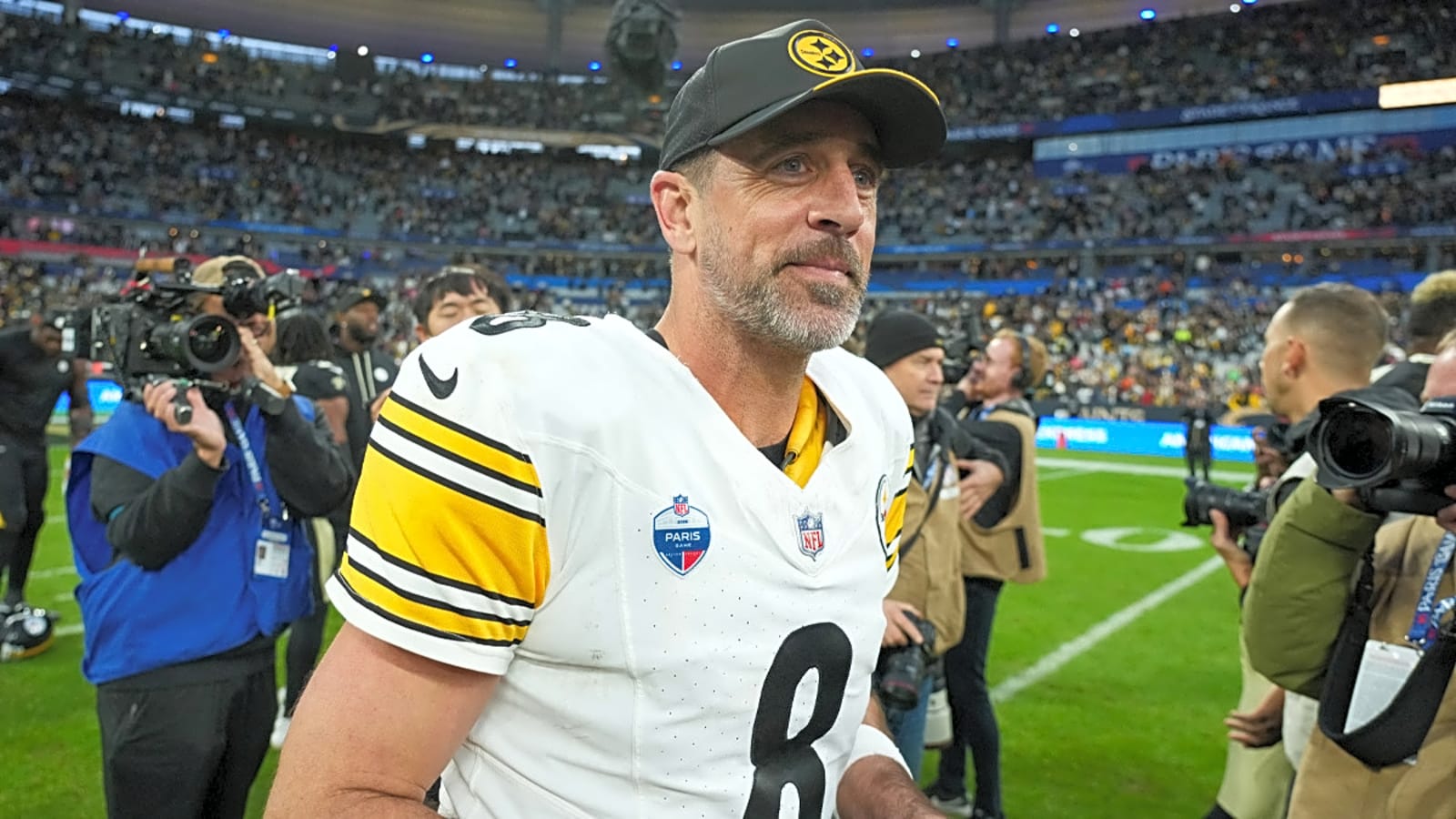
The Pittsburgh Steelers entered the 2026 NFL trade deadline without making any moves, despite a strong 6-2 record and a lead in the AFC North as they approached their bye week. According to ESPN’s Brooke Pryor, the organization was hesitant to give up significant draft capital because Aaron Rodgers intends to retire after the season. This leaves Pittsburgh without a clear long-term quarterback solution.
This cautious approach also impacted the team’s search for receiving help. ESPN’s Jeremy Fowler and Dan Graziano reported that the Steelers targeted several wide receivers, including Brian Thomas Jr., Josh Downs, and Calvin Ridley. A potential trade for Ridley seemed promising, but Tennessee ultimately decided to keep him. Meanwhile, Kansas City acquired Downs, and Jacksonville refused to trade Thomas.
While the Steelers had valid reasons to safeguard their future, their biggest oversight was allowing the trade deadline to pass without securing an affordable alternative at wide receiver. With a chance to compete in January, the team’s lack of reliable receiving depth could pose a significant problem as the competition intensifies.
Steelers made a mistake by leaving their receiving corps unchanged
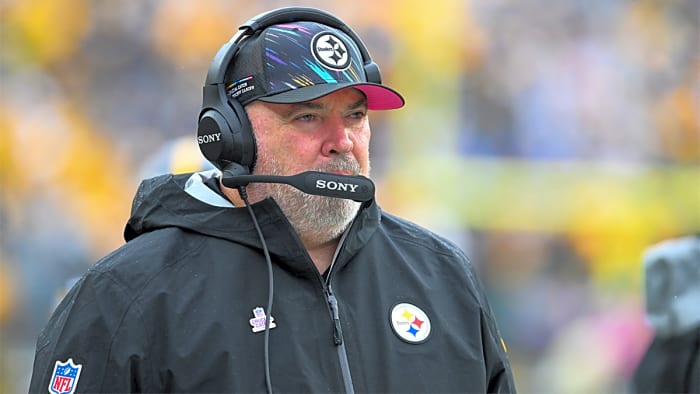
Pittsburgh’s 6-2 record indicates that Mike McCarthy has established a successful formula in his first season as head coach. The Steelers have remained competitive thanks to strong defensive performances, an experienced quarterback, and an offensive strategy that generally avoids unnecessary risks. However, their passing game has struggled to produce consistent results. DK Metcalf was expected to be a reliable primary target for Rodgers, but his production has been disappointing. After eight games, Metcalf has recorded 33 receptions for 378 yards and one touchdown on 64 targets. While this volume demonstrates his importance to the offense, the relatively modest production raises concerns about Pittsburgh’s ability to create favorable receiving opportunities consistently.
The situation is even more concerning when looking at the players behind Metcalf. Michael Pittman Jr., who was acquired from Indianapolis during the offseason, was expected to provide another established target. Unfortunately, injuries have limited him to just three appearances, where he has made seven receptions for 89 yards. He is currently on injured reserve as he recovers from a foot injury. Rookie Germie Bernard has taken on an expanded workload, catching 32 passes for 284 yards and one touchdown. His development has been encouraging, especially since Pittsburgh has needed him to step up earlier than anticipated. Nonetheless, Bernard’s emergence does not eliminate the need for another experienced receiver, particularly with Roman Wilson sidelined by a finger injury and Ben Skowronek dealing with a calf issue
These absences have forced Pittsburgh to rely more heavily on its tight ends. Darnell Washington has contributed 254 receiving yards and three touchdowns, providing Rodgers with a useful option when opposing defenses focus on the outside. While this arrangement has kept the Steelers competitive, it also highlights how limited their receiving options have become.
Pittsburgh missed an opportunity to acquire affordable receiving help
The Steelers’ decision becomes harder to justify when we consider the compensation required for receivers who have actually changed teams. Indianapolis traded Keenan Allen to San Francisco for a sixth-round selection in the 2027 NFL Draft. During his short time with the Colts, Allen recorded 40 receptions for 351 yards and one touchdown. While he might not have resolved all of Pittsburgh’s passing game issues, his experience and route-running skills could have provided quarterback Rodgers with another reliable target.
The 49ers acquired him without giving up a premium draft pick, showing that significant receiving help was available at a relatively reasonable cost. Meanwhile, Kansas City made a more expensive move, sending fourth- and fifth-round selections to Indianapolis for Downs and a seventh-round pick. Downs had recorded 33 receptions for 354 yards and one touchdown before the trade, and his ability to perform well under coverage could have complemented Metcalf’s physical style.
The Steelers reportedly considered acquiring Downs, but their lack of a 2027 fourth-round selection complicated their chances of matching Kansas City’s offer. This limitation is significant because Pittsburgh’s options differed from those available to other teams. General manager Omar Khan also had reasons to be cautious about making a heavy investment in Thomas or Ridley. Jacksonville was particularly reluctant to trade Thomas to another AFC contender, and a reported incident involving Ridley at Nashville International Airport raised further concerns about pursuing the veteran.
These factors explain why certain negotiations did not succeed. However, they do not fully justify Pittsburgh’s inability to identify other receiving options. A trade for an experienced rotational receiver would have required less compensation than acquiring a potential long-term starter. The Steelers could have pursued this route without jeopardizing their most valuable draft picks or abandoning their plans to address the quarterback position during the offseason.
The Aaron Rodgers dilemma makes Pittsburgh’s decision more frustrating
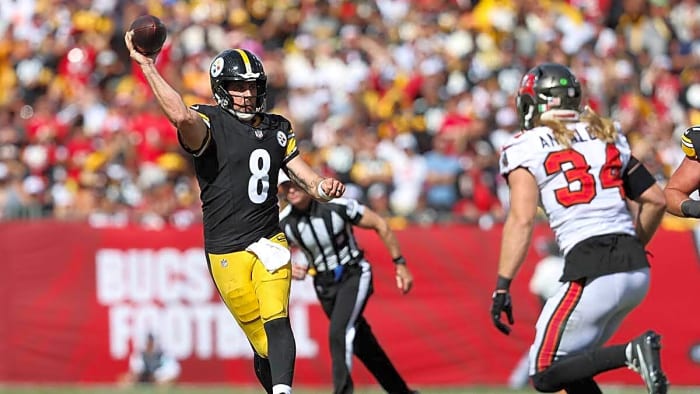
Pryor’s explanation highlights a legitimate challenge facing the Steelers. Rodgers confirmed earlier this year that 2026 would be his final NFL season, meaning Pittsburgh must prepare for another transition at the most crucial position in football. Finding his replacement may require significant draft capital, especially if the Steelers continue winning and finish outside the range of the most highly regarded quarterback prospects. Therefore, protecting their early-round selections is understandable.
The problem is that Pittsburgh has already committed to competing with Rodgers during his last season. The organization brought him back, reunited him with McCarthy, and assembled a roster capable of challenging for the division title. These decisions have created expectations that the front office would support the current team’s championship ambitions.
Refusing to surrender valuable future assets makes sense when the potential return is uncertain. However, declining to make any improvements places additional pressure on players who are already carrying substantial responsibilities. Pittman’s potential return could provide an immediate boost, and McCarthy has indicated that the receiver is making progress toward availability. Pittsburgh would certainly benefit if he can regain the form that made him a reliable contributor in the past. However, his injury history this season makes it challenging to assume he will restore the passing game’s consistency right away.
The Steelers are facing a difficult balance between preparing for Rodgers’ departure and maximizing an opportunity that might not return for some time. They did not need to sacrifice their future for another expensive veteran; instead, they should have recognized that a modest investment in receiving depth could have helped protect the quarterback and improve an offense that has been operating with limited options.
They remain capable of winning the AFC North, and their strong start deserves recognition. Nevertheless, the trade deadline represented a chance to enhance the roster without making a significant financial or draft commitment. Khan may eventually be vindicated if the existing receivers deliver strong performances over the remainder of the schedule. For now, however, Pittsburgh’s failure to secure even one affordable reinforcement stands as their biggest mistake at the 2026 NFL trade deadline.
More must-reads:
- NFL Week 10 prime-time predictions: Joe Burrow bolsters MVP case, Cam Skattebo heats up
- NFL Week 10 panic meter: Where do Vikings rank after QB upgrade?
- The 'Last 30-rush game by NFL team' quiz
Breaking News
Trending News



Customize Your Newsletter
 +

Get the latest news and rumors, customized to your favorite sports and teams. Emailed daily. Always free!
PRIVACY POLICY COOKIE POLICY CONTACT US
ABOUT YARDBARKER TERMS OF SERVICE


By using this site, you agree to our Terms of Service and Privacy Policy.
This site is for entertainment purposes only.
There is no gambling offered on this site.
Gambling Problem? Call 1-800-Gambler.