
-


Follow Us

 On Facebook
 On Flipboard
 On Twitter
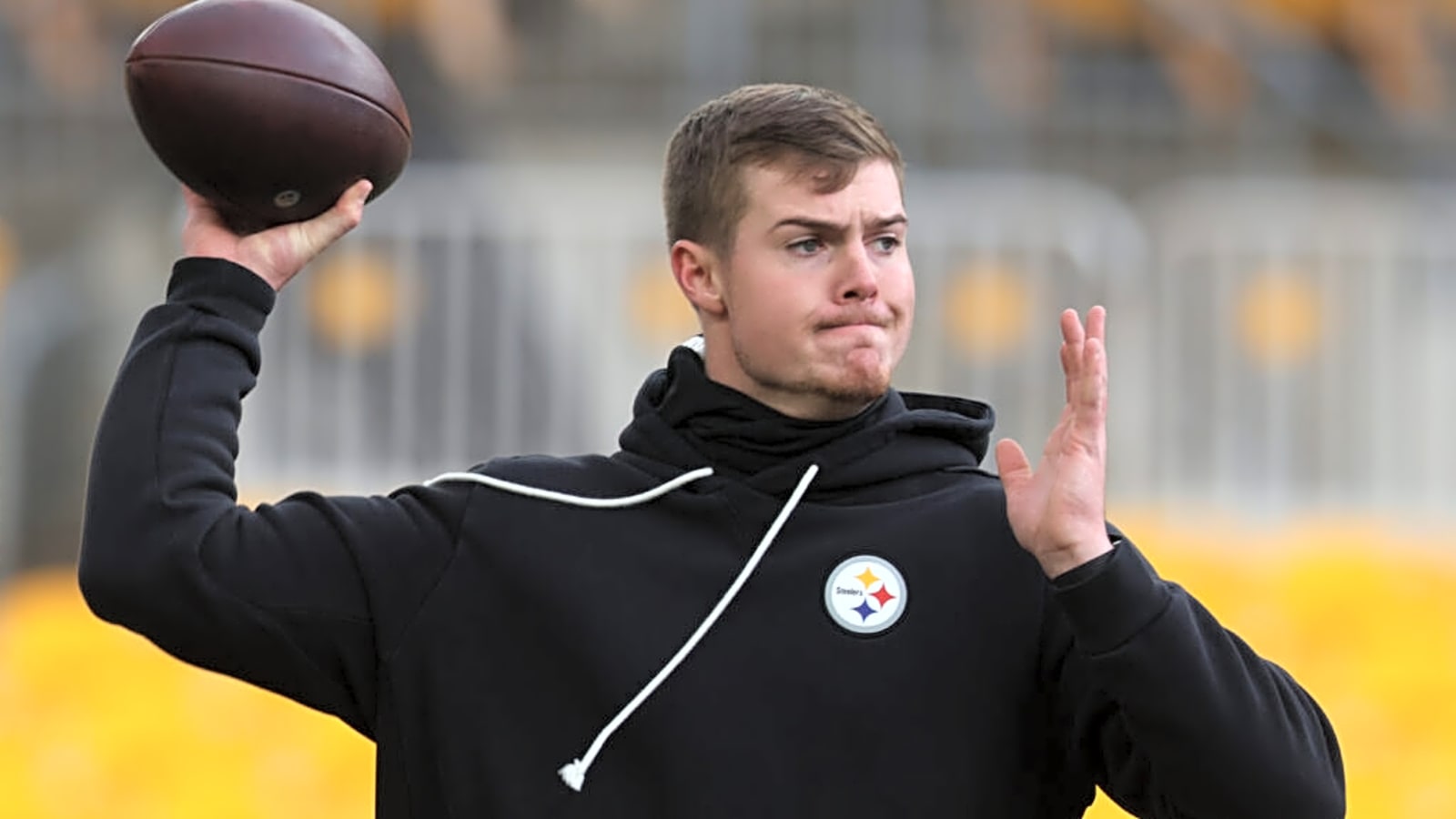
The Pittsburgh Steelers organization has long prided itself on a remarkable level of stability at the head coaching position, never having dismissed a coach throughout its storied history. This tradition of continuity now adds significant expectations to the team’s latest leadership choice, Mike McCarthy, who steps into the role following Mike Tomlin’s voluntary departure after the conclusion of the previous campaign.
Tomlin’s exit marked the end of an impressive 19-year tenure, during which he maintained an unbroken streak of non-losing seasons—a feat unmatched in modern NFL annals.
His decision to step away came after a period of consistent regular-season performance but persistent postseason struggles, leaving the franchise in search of fresh direction while honoring its heritage of deliberate, non-dismissive transitions.
McCarthy, a native of Pittsburgh’s Greenfield neighborhood, arrives with an extensive resume that includes 18 seasons as an NFL head coach. He previously guided the Green Bay Packers for 13 years, where he achieved substantial success, including a Super Bowl victory, largely in collaboration with quarterback Aaron Rodgers.
Later, he spent five seasons with the Dallas Cowboys, further solidifying his reputation as a seasoned leader.
The hiring represents only the fourth change at the top for the Steelers since 1969, underscoring the franchise’s preference for long-term commitments over frequent overhauls. McCarthy’s deep roots in the city and his alignment with the team’s values of preparation, tradition, and competitiveness made him a natural fit in the eyes of ownership and management.
A key storyline surrounding McCarthy’s arrival involves the uncertain status of Aaron Rodgers. The veteran quarterback, who joined the Steelers on a short-term basis previously, remains undecided about continuing his career or retiring. While speculation persists about a potential reunion—especially given McCarthy’s prior history with him—the organization has emphasized that the coaching change was not predicated solely on Rodgers’ return.
Current options at quarterback for Pittsburgh include veteran Mason Rudolph, who remains under contract, and second-year player Will Howard, a sixth-round selection from the 2025 draft. Howard’s development has emerged as a focal point, particularly as the team weighs its long-term plans at the position amid questions about veteran additions or draft strategies.
During his introductory press conference, McCarthy expressed strong enthusiasm for the young talent on hand.
“I’m really excited about Will Howard,” McCarthy said. “I think he’s someone who really came on at Ohio State. I’m anxious to work with him. It would be great to have Aaron back, but Will and Mason, I’m really excited to get started with those guys.”
Howard’s rookie season was largely sidelined due to a hand injury suffered before the preseason, which placed him on injured reserve and prevented any on-field appearances. Despite the setback, he remained engaged, treating the year as an intensive learning opportunity by closely observing and absorbing insights from experienced teammates.
Howard actively documented valuable lessons, particularly from Rodgers, whom he views as one of the all-time greats.
“I’m able to just sit back and kind of—I literally have a Word document of the nuggets I get from Aaron every day,” Howard said back in November. “If there’s something he tells me or something he says in meetings, I’ll try to write it down. Just have a little bank of the things that I’m learning.”
Before entering the pros, Howard built an impressive collegiate resume. After four seasons at Kansas State, he transferred to Ohio State, where he started in his final year and delivered standout performances, including a pivotal role in leading the Buckeyes to a national championship during a memorable College Football Playoff run.
Selected in the later rounds, Howard faces the typical challenges of proving himself in a competitive NFL environment. Yet his trajectory appears positive, bolstered by the endorsement from his new head coach and the chance to refine his skills in a system that values quarterback growth.
As McCarthy begins his tenure, the pressure to uphold the Steelers’ legacy of success without a single firing looms large. Balancing immediate competitiveness with the nurturing of emerging talent like Howard will define his early impact, while the quarterback situation continues to evolve amid Rodgers’ deliberations and the organization’s broader aspirations for sustained contention.
More must-reads:
- Broncos should already have plan after unexpected OC move
- New Falcons HC Kevin Stefanski responds to warning from Buccaneers' Baker Mayfield
- The 'Youngest Conference Champ QBs' quiz
Breaking News
Trending News



Customize Your Newsletter
 +
+




Get the latest news and rumors, customized to your favorite sports and teams. Emailed daily. Always free!
PRIVACY POLICY EDITORIAL POLICY CONTACT US
ABOUT YARDBARKER TERMS OF SERVICE


Use of this website (including any and all parts and
components) constitutes your acceptance of these
Terms of Service and Privacy Policy.
This site is for entertainment purposes only.
There is no gambling offered on this site.
Gambling Problem? Call 1-800-Gambler.
