
-


Follow Us

 On Facebook
 On Flipboard
 On Twitter
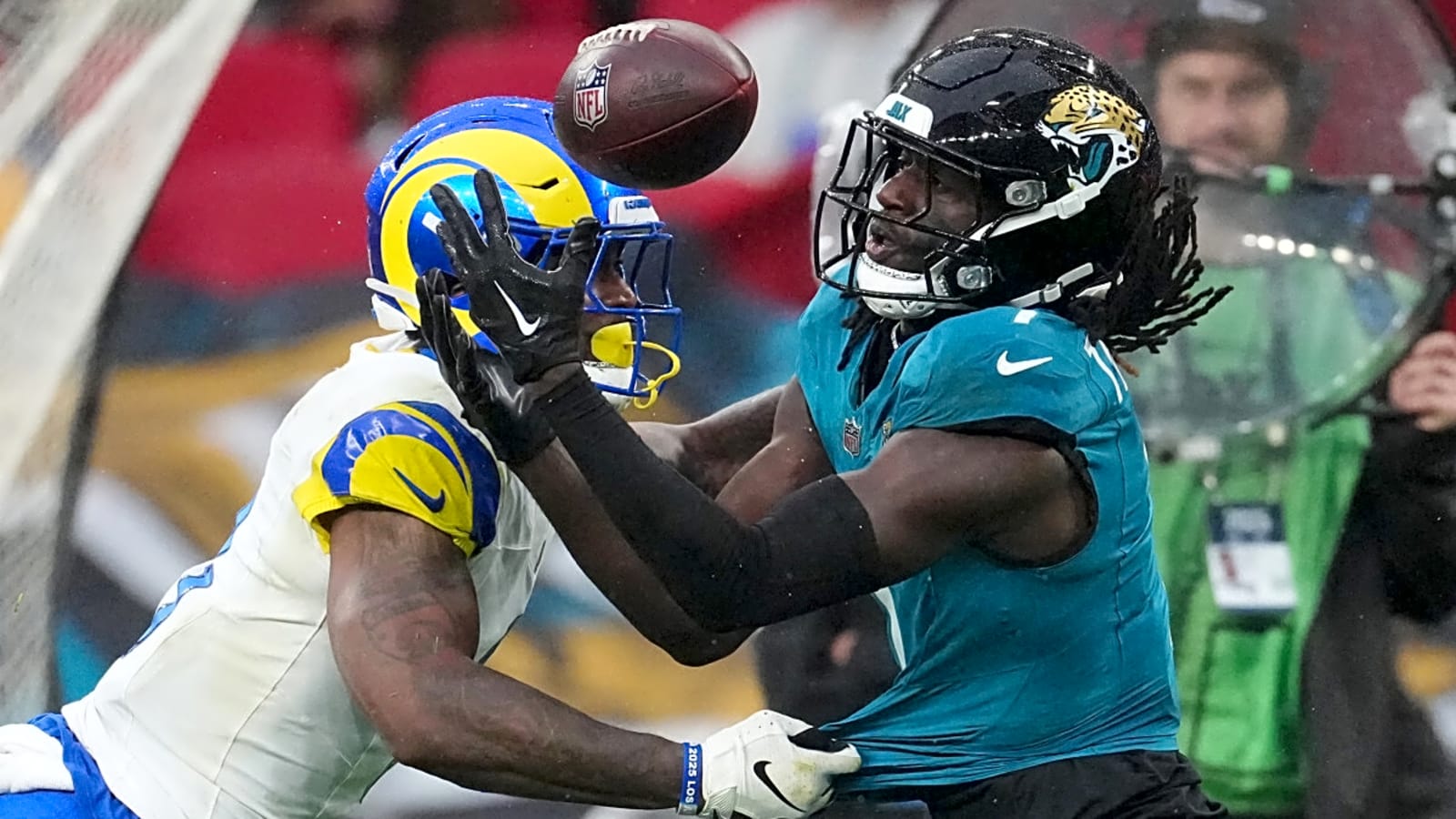
With the 2025 regular season concluded, it’s a good time to go back and look at the players who underperformed the most based on expectations and draft position. Before diving in, I have one item of clarification. I’ve tried to stay away from guys who were injured and missed the majority of the season — that doesn’t mean you won’t see players who missed time, but there needs to be more to it than that.
But before we get into it, here are a few dishonorable mentions:
Marvin Harrison, Jr., Arizona Cardinals (ADP: WR18): Coming off a disappointing rookie season, Harrison was the subject of innumerable offseason articles about his development and growing chemistry with Kyler Murray. Yeah, about that. Harrison went without a single 100-yard effort and was outside the NFL’s top 50 in receptions, yards, and TDs. Yes, injuries affected him late, but his per-game fantasy points put him at WR41.
DJ Moore, Chicago Bears (ADP: WR22): Even in what many considered a down year, Moore still posted a 98-966-6 line with Caleb Williams as a rookie. The expectation was for growth in their second year together. Instead, Moore fell out of favor, and even his modest ranking of WR46 on a per-game basis doesn’t do his struggles justice — he had 11 games with single-digit fantasy points after being drafted like a low-end WR2.
Jerry Jeudy, Cleveland Browns (ADP: WR31): Jeudy survived Cleveland’s QB carousel in 2024, logging 90 receptions and 1,229 yards, making it easy to dismiss similar concerns about the situation this year. That turned out to be a mistake. Jeudy didn’t click with any of the Browns’ QBs, and he topped 50 yards in a game only five times, making him essentially unplayable.
The Top Fantasy WR Busts of 2025
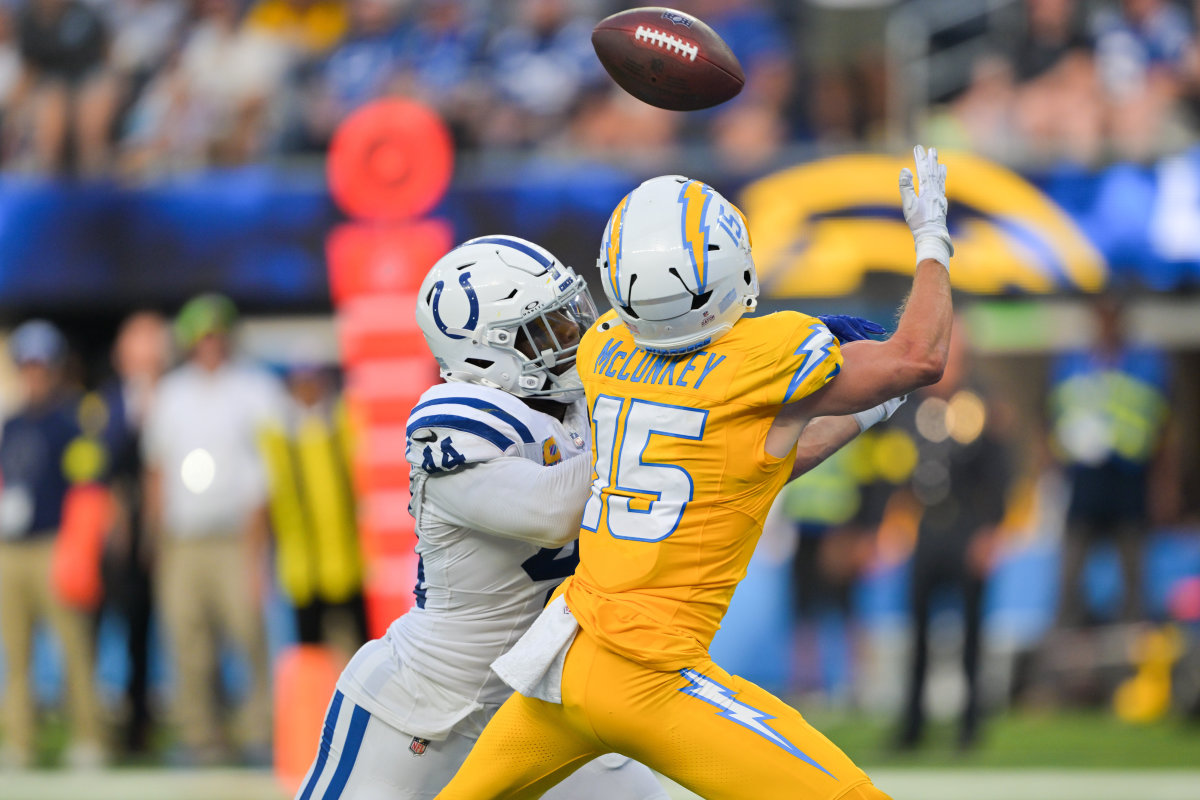
3) Ladd McConkey, Los Angeles Chargers (ADP: WR11)
McConkey was tremendous as a rookie, topping 1,100 yards while functioning as the only threat in LA’s passing attack. Outside of swapping out Joshua Palmer for a returning Keenan Allen , the Bolts returned basically the same group, setting up McConkey to improve on 2024. Instead, Justin Herbert leaned on Allen, and the duo of Quentin Johnston and Oronde Gadsden II stepped up, leaving McConkey to see his numbers dip across the board. He finished at WR30, one spot below Allen, who was drafted 126 spots lower.

2) Brian Thomas Jr., Jacksonville Jaguars (ADP: WR8)
You can pretty much copy McConkey’s breakdown and paste it for Thomas, just replacing Allen with Jakobi Meyers, and Johnston and Gadsden with Parker Washington and Brenton Strange. Bear in mind, Travis Hunter , who was supposed to complement Thomas, never got going before suffering a season-ending knee injury. Thomas fell even further than McConkey, though, and some of his wounds were self-inflicted as he struggled with drops in Year 2. Selected eighth among wideouts (and 14th overall), Thomas finished directly below Rashee Rice and Rome Odunze, two wideouts who missed a combined 14 of 34 possible games.
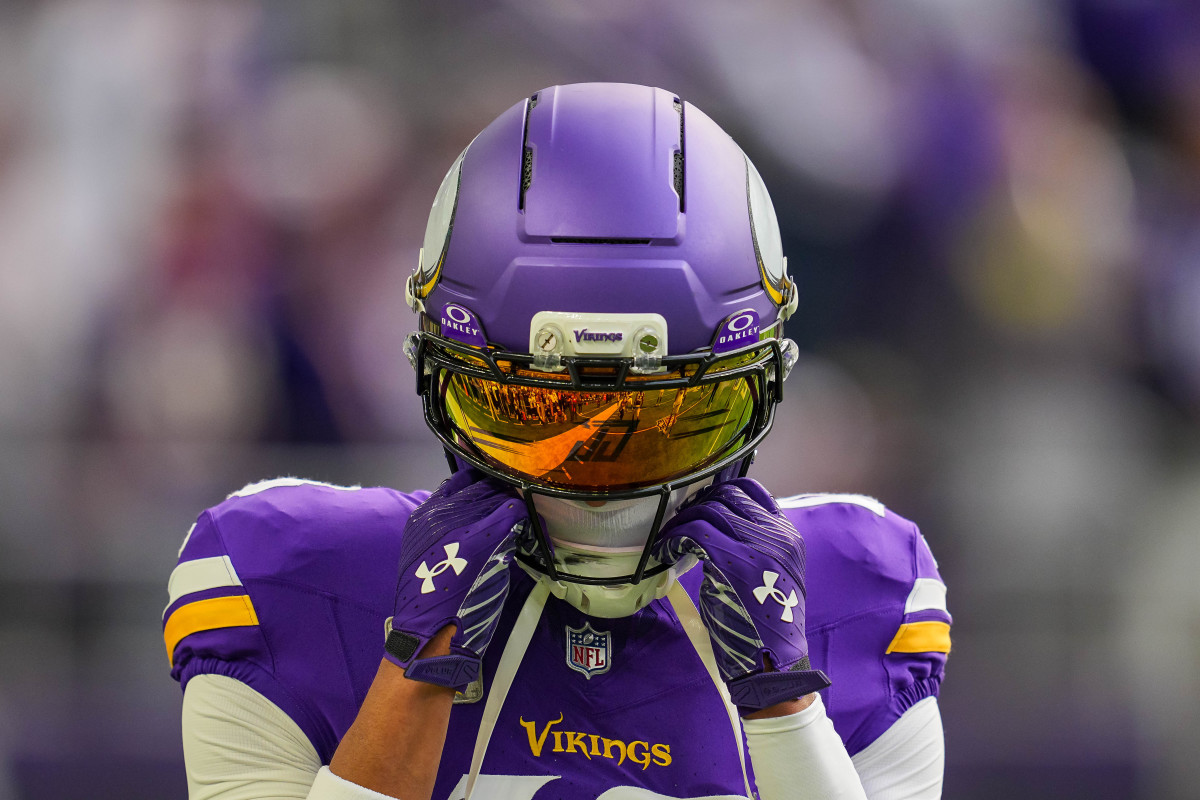
1) Justin Jefferson, Minnesota Vikings (ADP: WR2)
An elite talent, Jefferson got caught up in a brutal first year on the job for J.J. McCarthy. While he managed to top 1,000 yards for the sixth straight season, that output was heavily subsidized by Carson Wentz’s five-game stretch. Without those performances, Jefferson averaged 48 yards per game (43 if you remove his 101-yard effort against Green Bay’s practice squad in Week 18), and he scored just twice all season. A top-five overall selection in most drafts, Jefferson finished the year as the 21st-ranked receiver (that drops to WR47 in per-game minus the Wentz weeks).
More must-reads:
- Why the Giants reportedly hired Matt Nagy over Kliff Kingsbury as offensive coordinator
- Browns' Shedeur Sanders addresses lack of commitment from new HC Todd Monken
- The 'Skill-position Pro-Bowlers' quiz
Breaking News
Trending News





Customize Your Newsletter
 +
+




Get the latest news and rumors, customized to your favorite sports and teams. Emailed daily. Always free!
PRIVACY POLICY EDITORIAL POLICY CONTACT US
ABOUT YARDBARKER TERMS OF SERVICE


Use of this website (including any and all parts and
components) constitutes your acceptance of these
Terms of Service and Privacy Policy.
This site is for entertainment purposes only.
There is no gambling offered on this site.
Gambling Problem? Call 1-800-Gambler.
