
-

-


Follow Us
-

 On Facebook
 On Flipboard
This is what a full rebuild looks like, even if the front office would rather call it something more appealing.
The Miami Dolphins released quarterback Tua Tagovailoa, cut wideout Tyreek Hill, signed QB Malik Willis, and now have traded WR Jaylen Waddle to Denver. That is not a serious attempt to improve a passing game or setting up your new, inexperienced quarterback for success.
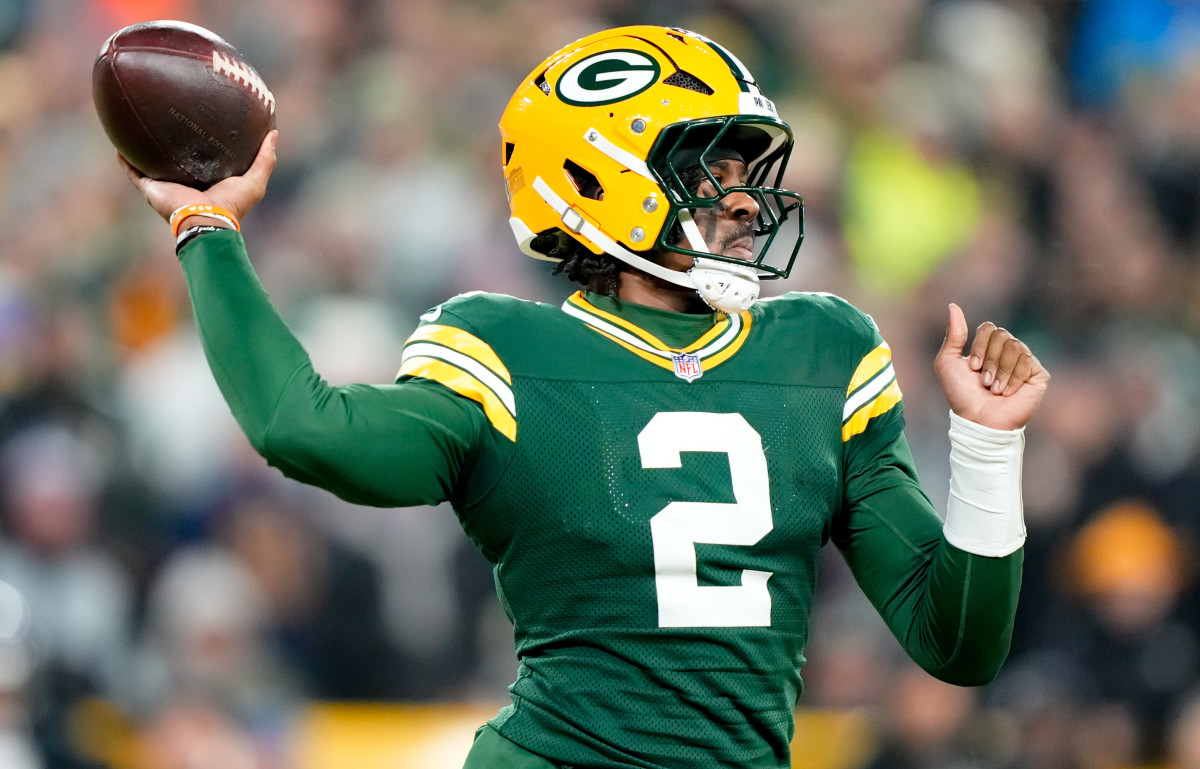
Miami gave Willis a three-year, $67.5 million deal with $45 million guaranteed, but the surrounding conditions do him no favors. He enters his fifth NFL season with only 155 career pass attempts and limited real-game exposure with only six career starts. A quarterback that inexperienced needs stability, continuity, and proven targets. Instead, Miami removed its two most dangerous wide receivers in a matter of weeks, though Hill's departure was coming either way, and the veteran is not a lock to return to form after a catastrophic knee injury. Still, the prudent measure is to at least keep a reliable veteran in the building, and that came to an end with Waddle being shipped out of town.
That is why this feels like the Dolphins have phoned in 2026. A front office can defend any one move on its own. Hill was expensive and coming off a major injury. Tagovailoa had become difficult to build around and was a concussion away from possible retirement. Waddle brought back much-needed draft capital.
All of that can be explained individually. In totality, though, the message is hard to ignore. Miami is not building an offense around Willis to give him a legitimate chance to survive, let alone thrive. It is buying time, collecting assets, and living with whatever the offense looks like in the meantime.
In today's NFL, coaches are on a short leash and teams have become more willing to eat massive amounts of dead-cap space. Just how realistic is it to expect Willis and new, defensive-minded head coach Jeff Hafley to get more than a year and a half if this starts out sideways? Furthermore, it's not like offensive coordinator Bobby Slowik has a stellar track record. This could prove to be a short stint for all involved, but that's a conversation for another day.
A Glaring Lack of Weaponry
The problem for fantasy is that the remaining pieces do not offer much comfort. WR Tutu Atwell is a moderately experienced player with some speed to burn, but he is not a Waddle replacement and has never shown he can carry a passing game. Miami signed him to a one-year deal, which says plenty about the level of commitment there.
Wideout Jalen Tolbert teased a time or two in Dallas but never forced his way into a meaningful role. Malik Washington is a marginally talented slot receiver and couldn't stand out down the stretch last season when given ample opportunity.
The rest of the group includes receivers Tahj Washington, Theo Wease Jr., AJ Herring, and Terrace Marshall Jr. Exciting, huh? Chances are, Marshall is the only one on that list you've probably heard of, and he's arguably better known for what he hasn't done on the field than his in-game success.
Finally, Miami has nothing of note at tight end, either. Greg Dulcich, Ben Sims, Jalin Conyers, Cole Turner, and Zack Kuntz round out that segment of the depth chart. Good grief.
Miami now has ample draft capital to put multiple new receivers around Willis, but that entails the offense projects to be largely unproven, with little cohesion likely to exist early in the season. It is one thing to hand a new quarterback a developing supporting cast. It is malfeasance to hand him a stripped-down offense.
The remaining free-agent pools at wide receiver and tight end are underwhelming. Sure, Miami could throw cash at someone like Jauan Jennings or Deebo Samuel, but neither is a true No. 1 receiver. Stefon Diggs is north of 30 and facing a litany of off-field issues, so he's not a viable target.
Perhaps Miami reaches out to tight end Jonnu Smith to bring back, but he's over 30, too, and failed to make an impression in a decent situation last year with Pittsburgh. David Njoku could be an option to keep an eye on to at least give the young QB a reliable target.
Fantasy Football Takeaway
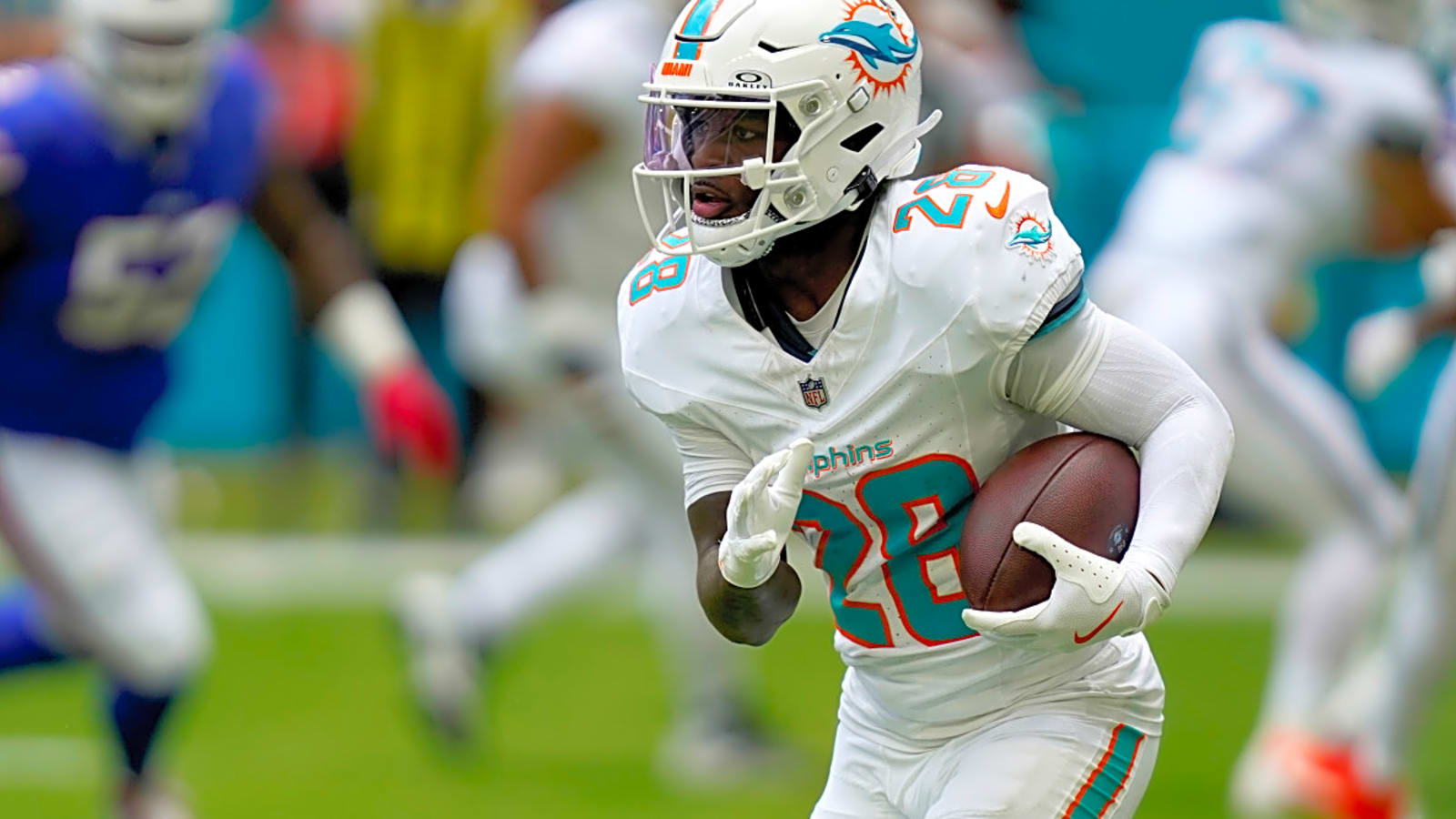
All of that leaves running back De'Von Achane as the only clearly usable fantasy asset, and even his outlook takes a serious hit in this version of the offense. Achane was excellent in 2025, rushing 238 times for 1,350 yards and eight scores, averaging 5.7 yards per carry. He's easily the best receiving outlet on this team as it stands. But that also means he will command extra defensive attention at all times if no one else is capable of stepping up.
On talent alone, Achane can still create explosive moments, but he is much harder to trust when the offense around him no longer scares anyone. He belongs in the borderline RB1 PPR discussion, because the workload should remain strong and the talent is obvious. Still, the ceiling is noticeably lower now. Achane remains the best fantasy option on the roster, but he now looks more like a volume-based gamble in a compromised offense than a back in a setting built to maximize him.
Willis will have streaming appeal in deeper formats because he can run, and rushing always gives a quarterback a path to relevance, but fantasy managers should not confuse that with weekly reliability.
More must-reads:
- Troy Aikman makes strong statement about Eagles' Jalen Hurts after bombshell reports
- John Harbaugh, Giants may be haunted by draft decision
- The 'Multiple 4K-yard NFL seasons' quiz
Breaking News
Trending News




Customize Your Newsletter
 +
+




Get the latest news and rumors, customized to your favorite sports and teams. Emailed daily. Always free!
PRIVACY POLICY COOKIE POLICY CONTACT US
ABOUT YARDBARKER TERMS OF SERVICE


By using this site, you agree to our Terms of Service and Privacy Policy.
This site is for entertainment purposes only.
There is no gambling offered on this site.
Gambling Problem? Call 1-800-Gambler.
