
-

-


Follow Us
-

 On Facebook
 On Flipboard
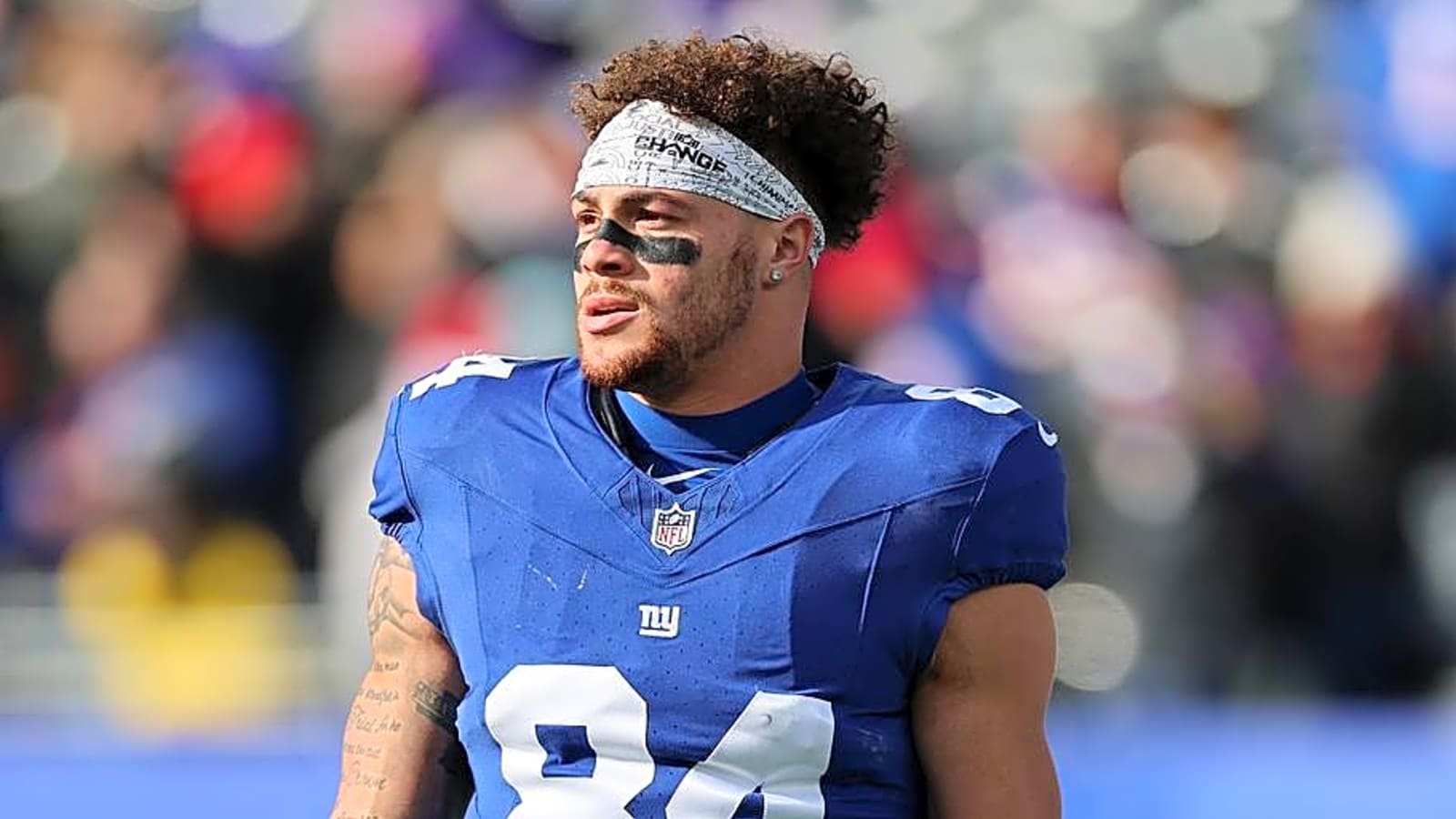
The New York Giants are believed to be planning to lean more heavily into their tight ends this coming season, with an expected increase in 12- and 13-personnel, a staple of John Harbaugh's offenses, on tap.
The Giants actually began that trend last year, though more so due to the season-ending knee injury to receiver Malik Nabers and the drop-off in consistency among the receivers.
In Weeks 1-4, with Nabers on the field, the Giants ranked 15th in plays run with 12-personnel; that ranking jumped significantly from Week 5 onward, with the Giants finishing second over that period, even surpassing the Baltimore Ravens, who have been among the league leaders in 12-personnel usage.
Regardless of when Nabers does return, the Giants, having gone out and landed free-agent tight end Isaiah Likely from the Ravens, figure to lean heavily into the two- and three-tight end sets.
But the group as a whole needs to zero in on three key areas if such a plan to move toward bigger personnel packages is to work.
More Consistent Red Zone Production

By leaning more heavily into the bigger personnel packages, it’s hoped that the Giants, who last year ranked 27th (47.46%) in red-zone conversion rate (touchdowns), can find better success in the red zone, where the height of their two primary receiving tight ends (Likely and Theo Johnson) should theoretically give them an advantage.
Last year, that wasn’t the case. The Giants' tight ends (Johnson, Manhertz, and Daniel Bellinger) caught 50% of their red-zone pass targets (10-of-20), scoring just four touchdowns.
They were even worse when the offense moved inside the 10-yard line, catching 3-of-7 pass targets (42.8%).
Eliminating Dropped Passes

The Giants' receivers finished tied for 10th with the most dropped passes last year (24) per PFF data compiled to arrive at the rankings. Eight of the drops were by the tight ends, and two of those eight were in the red zone.
Johnson led the tight ends in dropped balls last season with five, according to Pro Football Reference.
Tim Kelly, the team’s tight ends coach who last year served as the interim offensive coordinator after Mike Kafka was promoted to interim head coach, cited timing issues as a reason for Johnson’s drop problem.
Kelly also noted that improving ball tracking and being more proactive with the ball rather than waiting for it to hit his hands were areas where the former Penn State tight end could improve his game.
Johnson’s improvement in cutting down dropped balls, particularly on third down, will be among the key things necessary for the offense to move forward in 2026.
Improved In-line Blocking

With the Giants expected to lean more heavily into 12 personnel, there will obviously be instances where the tight ends have to block or, at the very least, chip defenders.
Manhertz was the best of the tight ends last year at in-line blocking, which is why he’s still on the team.
Among the tight ends who had at least 150 snaps on offense, Manhertz posted a team-best 69.9 run-blocking grade and a 69.7 pass-blocking grade, also a team best.
Johnson, on the other hand, came in last with a 51.0 run-blocking grade and a 41.0 pass-blocking grade, a rather disappointing development stemming from inconsistent pad level and a tendency to lunge at defenders rather than anchor and sustain his blocks.
It’s unknown at this time if the Giants will be calling on Johnson to do a lot of in-line blocking in this offense, but when he is called upon to block, he has to be better than he’s been.
Prior “Three Things” Entries
More must-reads:
- Patriots QB Drake Maye expands on play in Super Bowl loss to Seahawks
- Dak Prescott embracing 'Super Bowl or bust' mentality ahead of 2026 season
- The 'Rushing TD leaders by NFL team' quiz
Breaking News
Trending News




Customize Your Newsletter
 +
+




Get the latest news and rumors, customized to your favorite sports and teams. Emailed daily. Always free!
PRIVACY POLICY COOKIE POLICY CONTACT US
ABOUT YARDBARKER TERMS OF SERVICE


By using this site, you agree to our Terms of Service and Privacy Policy.
This site is for entertainment purposes only.
There is no gambling offered on this site.
Gambling Problem? Call 1-800-Gambler.
