
-

-


Follow Us
-

 On Facebook
 On Flipboard

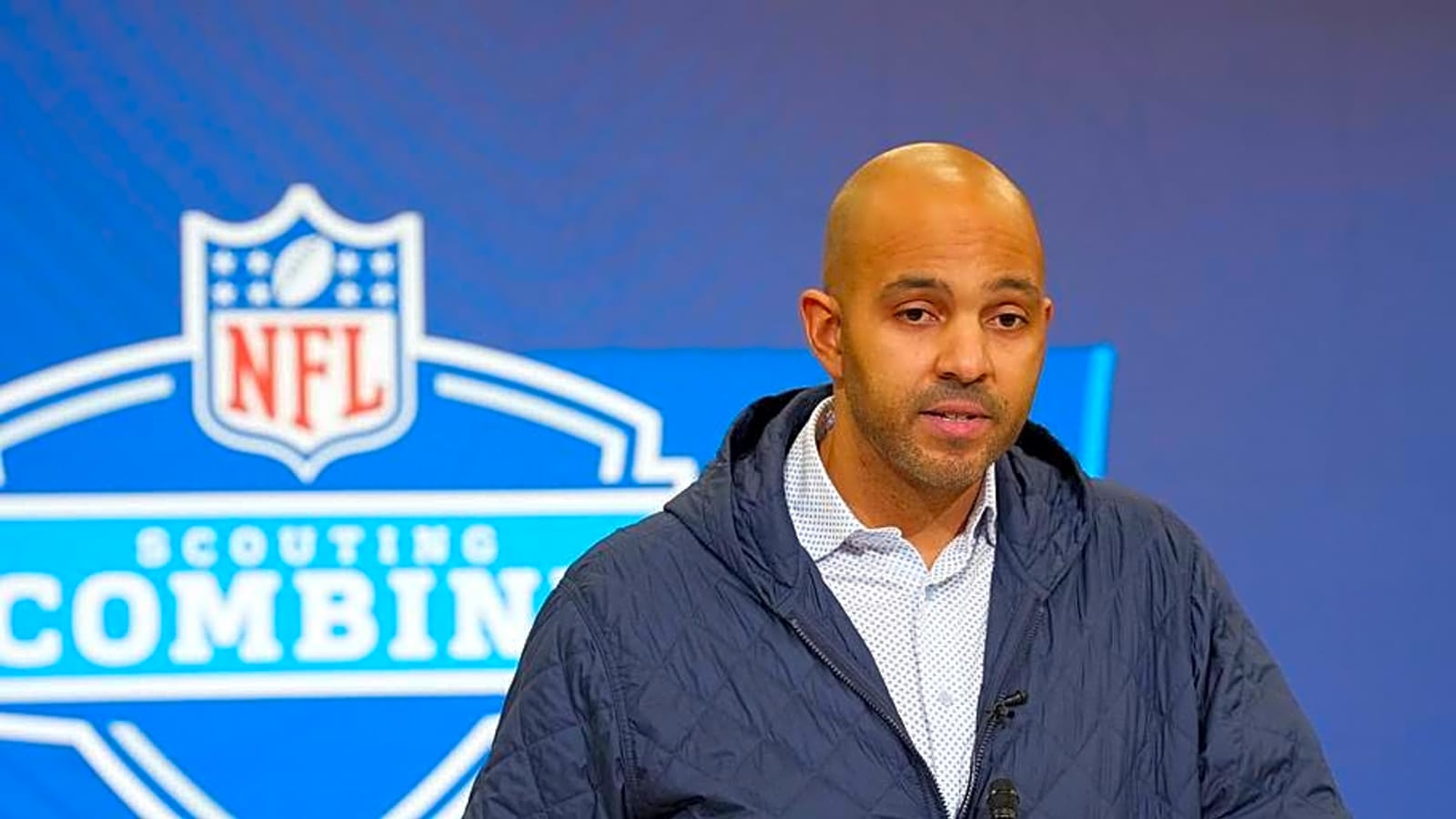
FLOWERY BRANCH – The Atlanta Falcons are through the bulk of their offseason, and their conservative approach has been readily apparent. Let’s take a look at what they have done thus far, and what it means for them moving forward.
The Falcons drafted six players, but none will be overly expensive since they did not have a first-round pick. These rookies will cost the Falcons just under $7.1 million.
Meanwhile, free agency produced a flurry of new players to infuse this roster with depth – albeit, largely just for the 2026 season since those were almost exclusively one-year deals. 20 new players joined the roster, but Ian Cunningham did not break the bank to make any of those deals (just $33.4 million in total guarantees).
The one-year deals and modest guarantees allow Atlanta to remain competitive this season without limiting its ability to reshape the roster next spring.
The biggest moves of the offseason came with the sudden retirement of right tackle Kaleb McGary (freed up about $14 million in cap space for both 2026 and 2027) and placing the franchise tag on tight end Kyle Pitts Sr. (carries an approximate cap hit of $15 million). Additionally, the releases of quarterback Kirk Cousins and wide receiver Darnell Mooney resulted in $33.5 million in dead money.
So after all that, the Falcons have $17.35 million in effective cap space to spend for the remainder of this season (15th in the NFL).
With that money, Cunningham could continue to add some veterans on one-year deals, but extensions are still on the horizon for several Falcons. Running back Bijan Robinson (expected to be in the range of about $20 million per year average annual value) and wide receiver Drake London ($33 million AAV) are both in line this summer for deals. Pitts ($17 million AAV), left guard Matthew Bergeron ($15 million AAV), linebacker Divine Deablo ($12 million AAV), and safety Jessie Bates III ($17 million AAV) could also be in the mix for new contracts.
But the 2027 Falcons could be due for a major uptick in spending.
The pending extensions will mean this number could fluctuate significantly, but Cunningham has given the Falcons significant financial flexibility next offseason. Their spending money will balloon to more than $125 million in effective cap space (4th in the NFL), giving the front office the ability to build a roster in their image.
About half the active roster will turn over next offseason, so that money will evaporate rather quickly. The Falcons have positioned themselves to build aggressively and decisively.
Until then, 2026 becomes a proving ground and a season to evaluate which players could be part of the long-term core and which positions will define the next phase of roster construction in Atlanta.
Sign up for our free Atlanta Falcons newsletter and follow us on Facebook and X for the latest news!
More must-reads:
- Tyreek Hill gets more bad news about possibly finding a new NFL home
- Deebo Samuel has two potential teams after Jauan Jennings' deal
- The 'Multiple 4K-yard NFL seasons' quiz
Breaking News
Trending News







Customize Your Newsletter
 +
+




Get the latest news and rumors, customized to your favorite sports and teams. Emailed daily. Always free!
PRIVACY POLICY COOKIE POLICY CONTACT US
ABOUT YARDBARKER TERMS OF SERVICE


By using this site, you agree to our Terms of Service and Privacy Policy.
This site is for entertainment purposes only.
There is no gambling offered on this site.
Gambling Problem? Call 1-800-Gambler.
