
-

-


Follow Us
-

 On Facebook
 On Flipboard
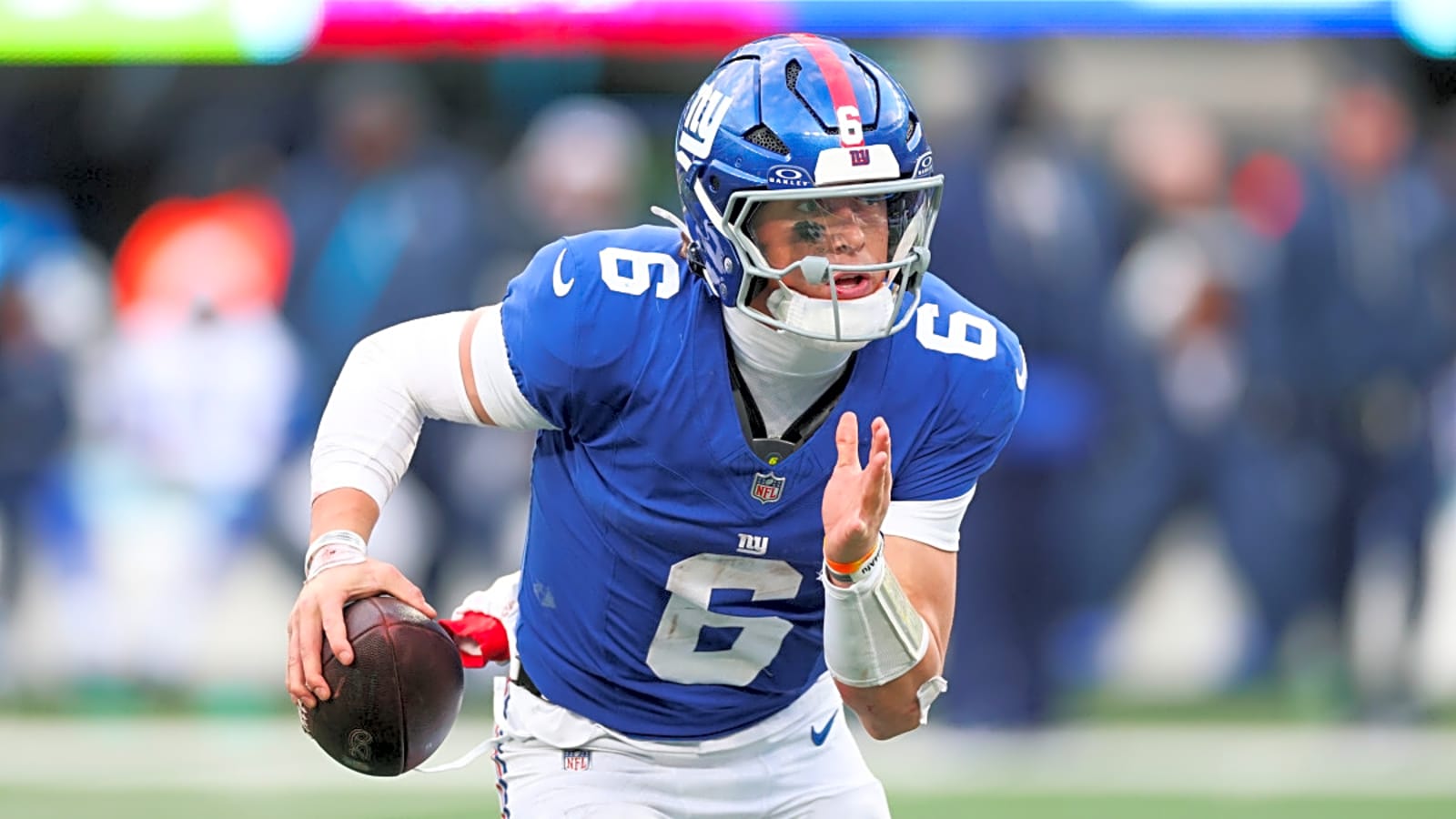
A fantasy football superflex league is a format that allows a manager to start a quarterback in addition to the normal QB spot. In most leagues, starting a quarterback in the superflex is the default approach, since signal callers score more consistently than other positions.
Superflex formats change the game at its foundation: Quarterbacks become scarce, replacement-level options drop off faster, and roster stability depends more on securing starters with clear job security.
What “Superflex” Means
A superflex slot works like a flex, but it expands eligibility to include quarterbacks.
- Superflex slot: A starting position that typically allows QB/RB/WR/TE
- Optimal use: Starting a second quarterback in most weeks
- Core effect: More starting QB demand than a standard one-QB league
How Superflex Differs From 1-QB and 2-QB
The lineup rule is simple, but the strategic impact is large.
- 1-QB: You start one quarterback, and the position becomes easier to replace on waivers.
- 2-QB: You must start two quarterbacks, which pushes scarcity to the extreme and accelerates the timeline in which they're drafted.
- Superflex: You can start two quarterbacks, but the slot stays flexible if injuries or byes force a pivot.
Superflex often plays like “two-QB in practice,” with slightly more flexibility when the quarterback pool gets thin.
Why Superflex Changes Drafts So Much
Quarterbacks become a priority in superflex for one main reason: Only 32 NFL teams start quarterbacks, and your league increases the number of starting QB slots.
That creates a scarcity problem that does not exist in one-QB leagues. When you need two starters, the difference between a stable QB2 and a shaky QB2 can decide weeks.
Core Superflex Terminology
These terms show up constantly in superflex discussions and league settings.
- Positional scarcity: Limited supply of startable options relative to lineup demand
- QB2: Your second starting quarterback, usually the superflex starter
- Replacement level: The production you can reasonably acquire on waivers or from late-round picks
- Job security: The likelihood a quarterback keeps the starting role across the season
- Tier: A group of similar options where price and timing matter more than the exact name
- Stacking (season-long): Pairing a QB with a WR/TE to concentrate touchdown paths
Superflex Roster Construction Basics
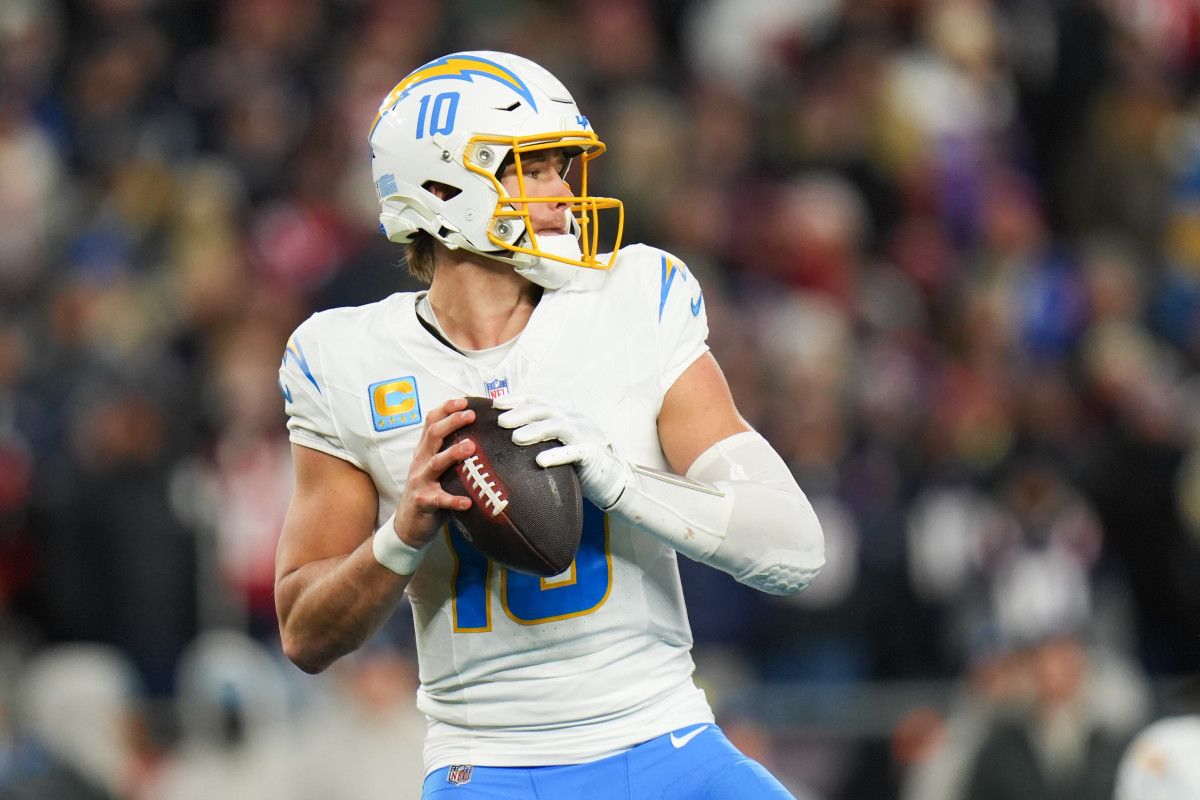
Most superflex teams build around stability at quarterback, then chase upside elsewhere.
- Quarterback depth: Two starters as a baseline, with a third option for byes and injuries
- Flex planning: A non-QB fallback for weeks when positional availability collapses
- Bench utility: Prioritizing players with startable paths, not only long-shot stashes
Draft Strategy Framework
Superflex drafts reward planning, but the plan has to fit the room.
Step 1: Decide How You Want To Solve QB2
Every superflex draft turns into a QB2 decision.
- Pay up early: More stability, fewer weekly lineup fires
- Wait and manage: More risk, heavier reliance on waivers and trades
- Split the difference: One strong QB plus a mid-tier QB2, then add depth
Step 2: Track the QB Tier Drop-Off
The key moment arrives when the room drains the remaining “safe starters.”
- Early tier: Weekly stability and high scoring floors
- Middle tier: Startable options with some volatility
- Late tier: Uncertain roles, low volume, or genuine bench risk
When that drop-off hits, your options shift from weekly starters to “I hope he keeps the job.”
Step 3: Use Your Flex Spots To Balance Risk
Superflex does not eliminate the need for RB/WR depth. It changes how you allocate risk.
- QB stability: Fewer lineup zeros and fewer forced flex pivots
- RB/WR upside: Higher weekly ceilings once QB baseline stays secure
- TE decisions: More format-dependent, especially if TE premium exists
Inseason Management in Superflex
Superflex leagues often get decided after the draft, when quarterback availability changes.
Waivers and Free Agency
Quarterback adds matter more, even when they look unattractive in one-QB formats.
- Spot starts: Filling in for injuries and bye weeks
- New starters: Backup quarterbacks who inherit jobs
- Contingency plays: Holding a third QB when your QB2 role looks fragile
Trades
Superflex trades revolve around scarcity and timing.
- Contenders: Consolidating into stable QB scoring to reduce weekly volatility
- Rebuilders: Trading veterans for younger quarterbacks or rookie picks in dynasty formats
- Leverage points: Bye weeks, injuries, and benchings that change demand quickly
Common Superflex Rule Variations
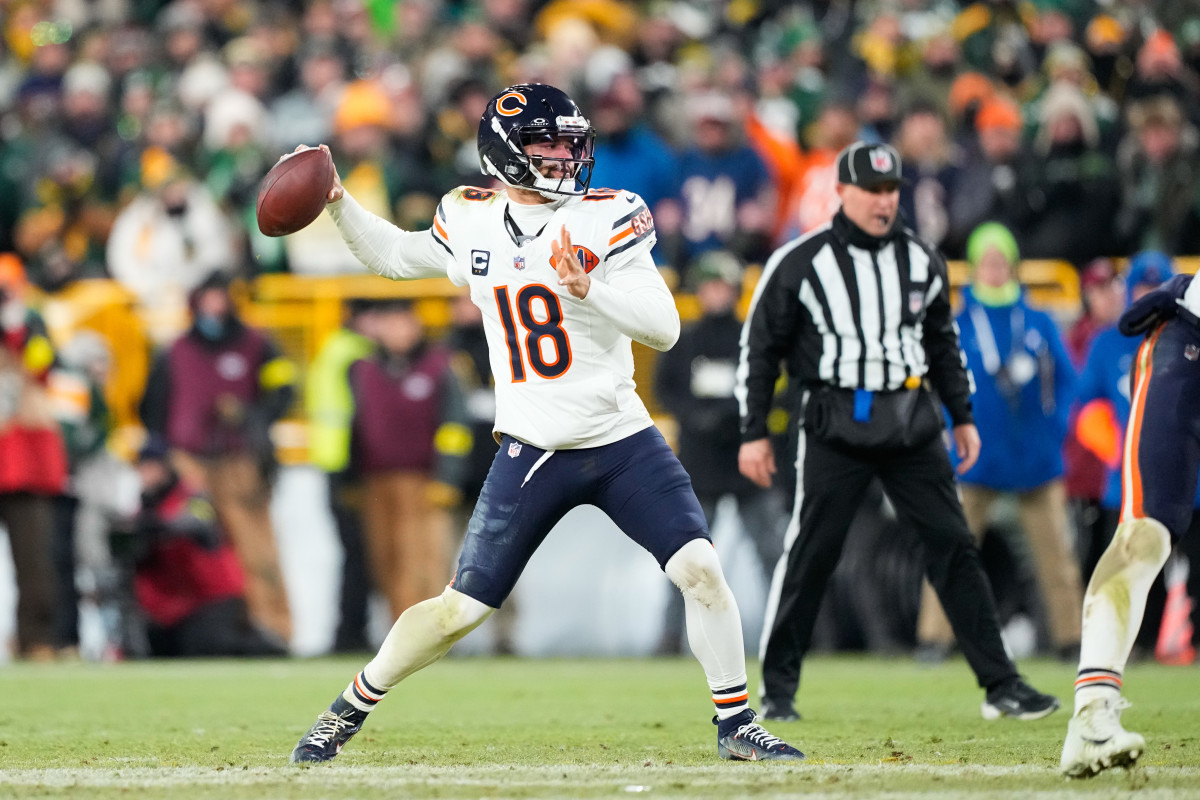
Superflex settings stack with scoring rules, and small tweaks can shift quarterback value.
- 6-point passing TD: Raises pocket passer value relative to rushing-heavy QBs
- Turnover penalties: Harsher interception scoring increases the cost of risky passers
- Roster limits: Some leagues cap the number of QBs you can roster to reduce hoarding
- Superflex eligibility: Some platforms restrict superflex to QB/RB/WR/TE, while others include additional positions
Common Beginner Mistakes
These errors show up often when managers move from one-QB to superflex.
- Ignoring QB2: Treating the second quarterback slot like a normal flex
- Overdrafting fragile starters: Paying starter prices for quarterbacks with weak job security
- Skipping QB depth: Drafting only two quarterbacks and hoping nothing breaks
- Forcing one build: Sticking to a plan when the room pricing demands a pivot
Quick Superflex Checklist
- Lineup rules: Confirm the superflex slot and starting requirements
- Scoring: Confirm passing TD values and turnover penalties
- Draft plan: Set a clear approach for QB2 and a realistic depth target
- Inseason posture: Treat new starting quarterbacks as priority adds
- Trade awareness: Value stability and job security more than in one-QB formats
The Bottom Line
A superflex league adds a starting slot where quarterbacks are eligible, which increases demand for starting QBs and reshapes every part of the game — draft priorities, roster depth, waivers, and trades. Managers who win superflex leagues usually do the same thing well: Secure quarterback stability without sacrificing the RB/WR firepower needed to outscore the league.
More must-reads:
- Dianna Russini may still have an ace up her sleeve in Mike Vrabel saga
- Browns' Shedeur Sanders gets more bad news amid Deshaun Watson reports
- The 'No.2-overall NFL Draft picks' quiz
Breaking News
Trending News




Customize Your Newsletter
 +
+




Get the latest news and rumors, customized to your favorite sports and teams. Emailed daily. Always free!
PRIVACY POLICY COOKIE POLICY CONTACT US
ABOUT YARDBARKER TERMS OF SERVICE


By using this site, you agree to our Terms of Service and Privacy Policy.
This site is for entertainment purposes only.
There is no gambling offered on this site.
Gambling Problem? Call 1-800-Gambler.
