
-

-


Follow Us
-

 On Facebook
 On Flipboard
 On Twitter

The Green Bay Packers are just a few weeks removed from their heart-wrenching exit from this year’s playoffs at the hands of their archrivals, the Chicago Bears.
Despite their season being over, the Packers are deliberating on the crucial decisions and carefully planning what is needed for the 2026 campaign.
The biggest resolutions that must be addressed in the next month will, in large part, be determined by the league’s economics. Who will stay and who will be let go each year to fit under the NFL’s salary cap becomes the focal point of every team’s off-season efforts.
No team stays completely intact year to year; gone are the days when core players stay together with a team for a decade or more. With salaries skyrocketing, players are making economic decisions for their benefit, not necessarily ones that are loyal to their organization.
Green Bay certainly has its share of significant choices to make. Their current list of unrestricted free agents is littered with big-time performers, and Packers fans will be upset to see some of them inevitably wearing different uniforms in September. What to do with talents like Romeo Doubs, Quay Walker, and Kingsley Enagbare, all of whom are unrestricted free agents, is just three dilemmas on which the team’s brass must fixate.
The biggest quandaries, however, are which existing players the Packers will part ways with to shed salary and stay within the guidelines of the salary cap. With this year’s cap estimated to be between $302-305 million, up from $279.2 million in 2025, Green Bay has monetary issues to resolve this winter.
The Packers Are Initially Projected To Be Over The Cap
According to Packers’ salary cap analyst Ken Ingalls, Green Bay will approach the end of the league year on March 11 slightly over the salary cap.
Here is how he breaks down the dollar figures:
- Players already under contract = $297.7 million
- Dead hits (see Kenny Clark) and contracts released after June 1 = $17.2 million
- “Proven Performance Raises” are given to certain players for reaching a specified snap count or incentive. Examples of this include Tucker Kraft, Karl Brooks, and Carrington Valentine = $9.8 million
With salaries of practice squad members and draft signees, plus other random contingency costs, Ingalls estimates the Packers to be roughly $33.2 million over this year’s cap number. That means the roster and what each player is making need to be evaluated closely to determine who Green Bay deems superfluous. Some are generally regarded as “good as gone,” while others’ value has been and will continue to be debated.
Jenkins Will More Than Likely Be Let Go
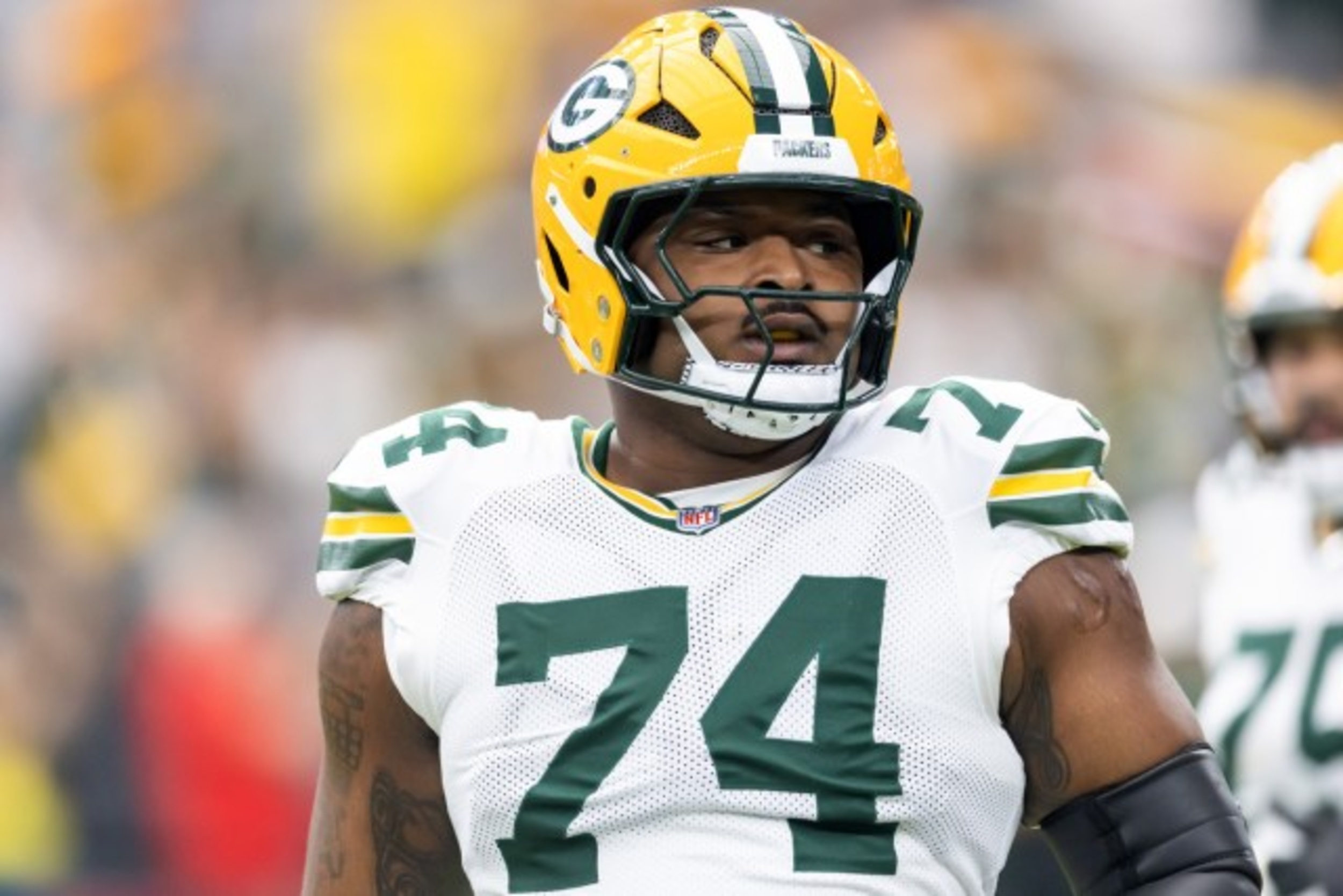
By most accounts, experts believe offensive lineman Elgton Jenkins‘ departure from the Packers is a done deal. A subtle hint that exposed Green Bay’s plans regarding Jenkins occurred before the 2025 season began.
The 30-year-old veteran, who just completed his seventh year in green and gold, missed voluntary workouts with the team in the spring and summer and was a “hold-in” for the team’s mandatory minicamp. Jenkins was attempting to rework his deal because he was switching from guard to center and wanted more compensation from his current contract, which is set to expire after the 2026 season.
The Packers did not blink, and Jenkins eventually reported to camp. After a disappointing performance during his 2024 season, Jenkins desperately needed to step up and prove to the team that he was worthy of such demands in 2025.
Unfortunately for Jenkins, that did not happen.
The move to center proved to be the wrong decision as Jenkins struggled to find consistency. His destiny was more likely sealed when he fractured his fibula in Week 11 and was lost for the season. That, along with the almost $20 million the Packers will save if he is cut in the offseason, signifies the end of his time in a Green Bay uniform.
Nixon’s Tenure With The Packers May Be Over
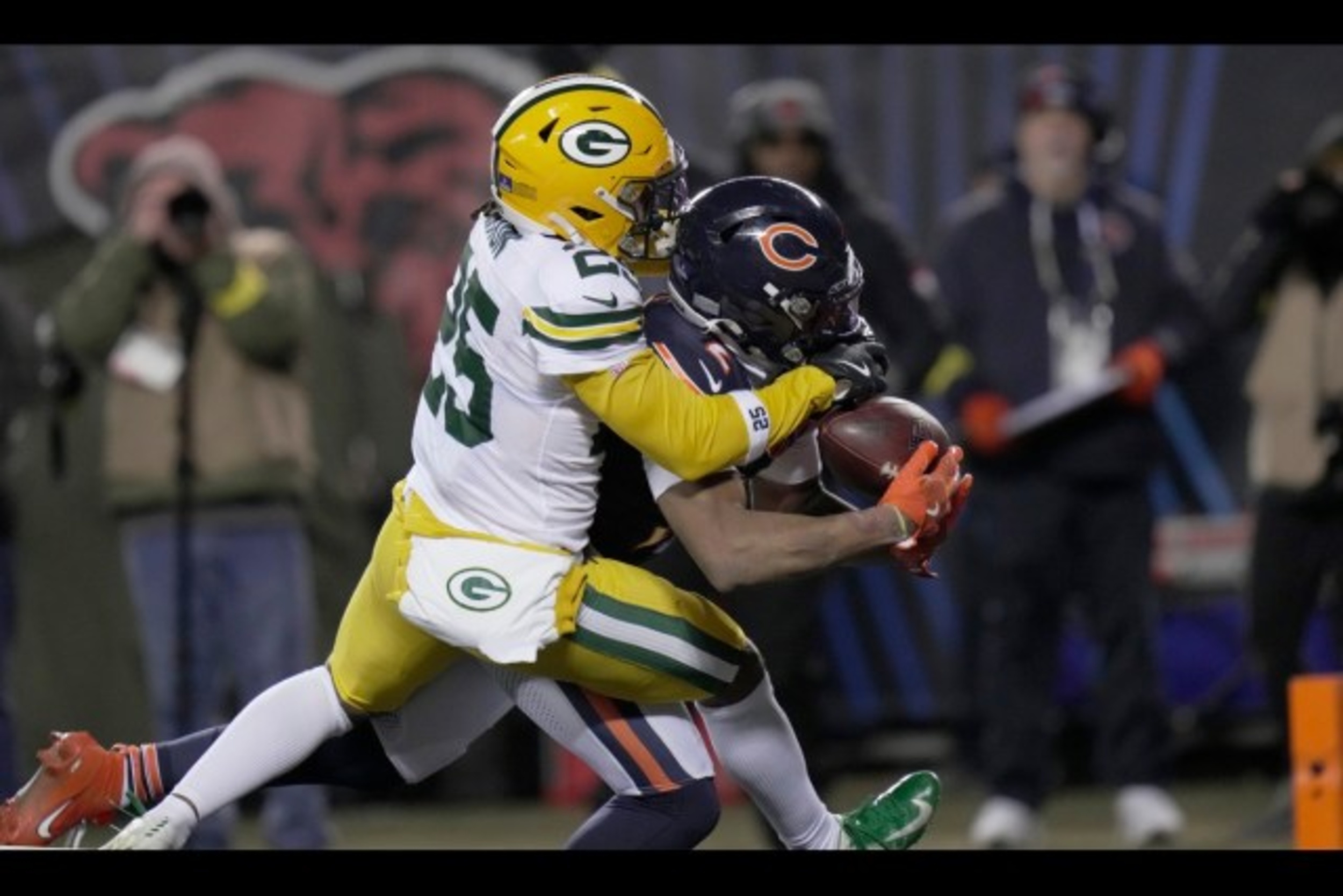
This one may be a long shot, but the Packers may be ready to move on from Keisean Nixon.
While his modest contract will pay him $4.3 million in 2026, the last year of his current deal, the Packers would ultimately save $5 million by cutting him. Nixon is not the top priority one way or the other, but his play on the field and recent demands off it have soured Green Bay fans and brass.
Nixon was at the center of the Packers’ late-season swoon. Chicago’s D.J. Moore beat the cornerback to score the winning touchdown in overtime on December 20th. During the season, Pro Football Focus graded him below 60 at times, mainly because of his inconsistencies.
In Green Bay’s playoff loss to the Bears, Nixon’s performance may have given Packer Backers enough ammunition to run him out of town. During Chicago’s 18-point comeback, Nixon evaded D’Andre Swift, allowing him to score the touchdown that brought the Bears within one score.
With a shot at redemption later in the game, Nixon failed to deliver. He misread Rome Odunze’s route on an improbable 27-yard reception on 4th down that kept Chicago’s drive and hopes alive. Green Bay ultimately paid for this and was sent home for the season.
The Packers will definitely look for cornerback help, which is a position of need, in the upcoming draft and free agency. If they receive it, Nixon could find himself out of a job.
Gary Has Proven To Be Expendable
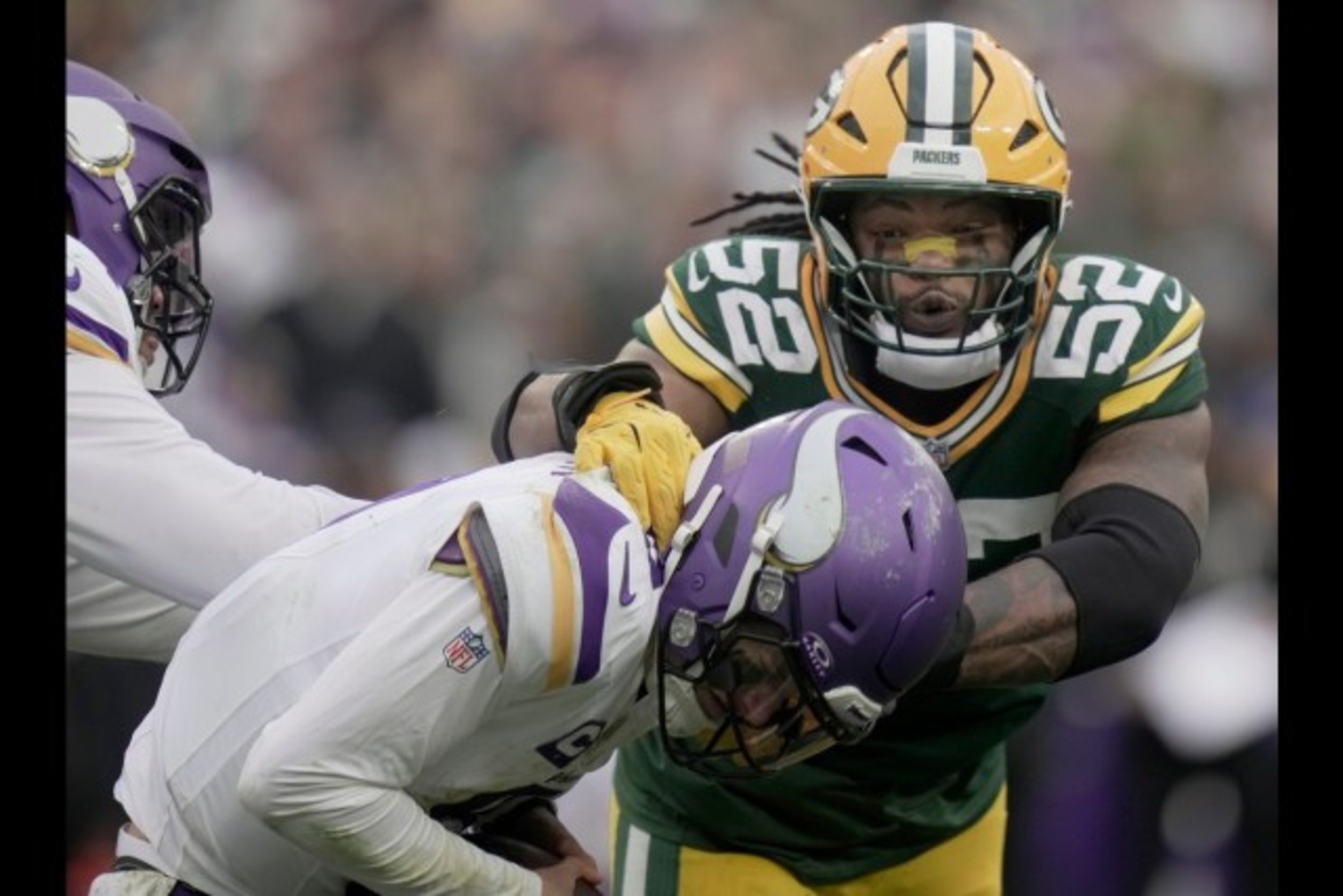
The stage was set for defensive end Rashan Gary to have a productive 2025 season. The Packers traded for Micah Parsons in August, who would receive the most focus from opposing offensive linemen. Parsons’ presence on pass-rush downs created more favorable matchups for Gary than he’s ever had before, and he should have flourished.
That did not happen.
Gary’s performance did not equal his compensation. He was a middling pass-rusher, ranking 52nd out of 115 qualifying edge defenders. The Packers paid him, however, the 13th-highest salary at the position in the NFL last season.
Zach Kruse of Packers Wire summed up Gary’s disappointing play succinctly.
“Zero sacks for 10 weeks. Only 8 ‘quick’ pressures. 11.9 pass-rush win rate,” he wrote. “Lowest PFF pass-rush grade among edges with at least 60 pressures,”
When Parsons went down in Week 15 with a season-ending knee injury, Gary did not step up to be “the guy.” In fact, his playing time was limited at the expense of Lukas Van Ness and Enagbare, who gradually earned more snaps in December and January in favor of Gary.
The final argument for dismissing Gary may be the most important. He has never produced a 10-sack season, and his salary cap hit in 2026 is a whopping $28 million. Green Bay can save $19.5 million against the cap in the upcoming campaign and $22.5 million two years from now by cutting Gary with a post-June 1 designation.
While Gary is relatively young at 28 and has more years ahead of him, the Packers may decide to go even younger and much cheaper as an alternative.
End Of My Packers Rant: Green Bay Faces Massive Decisions
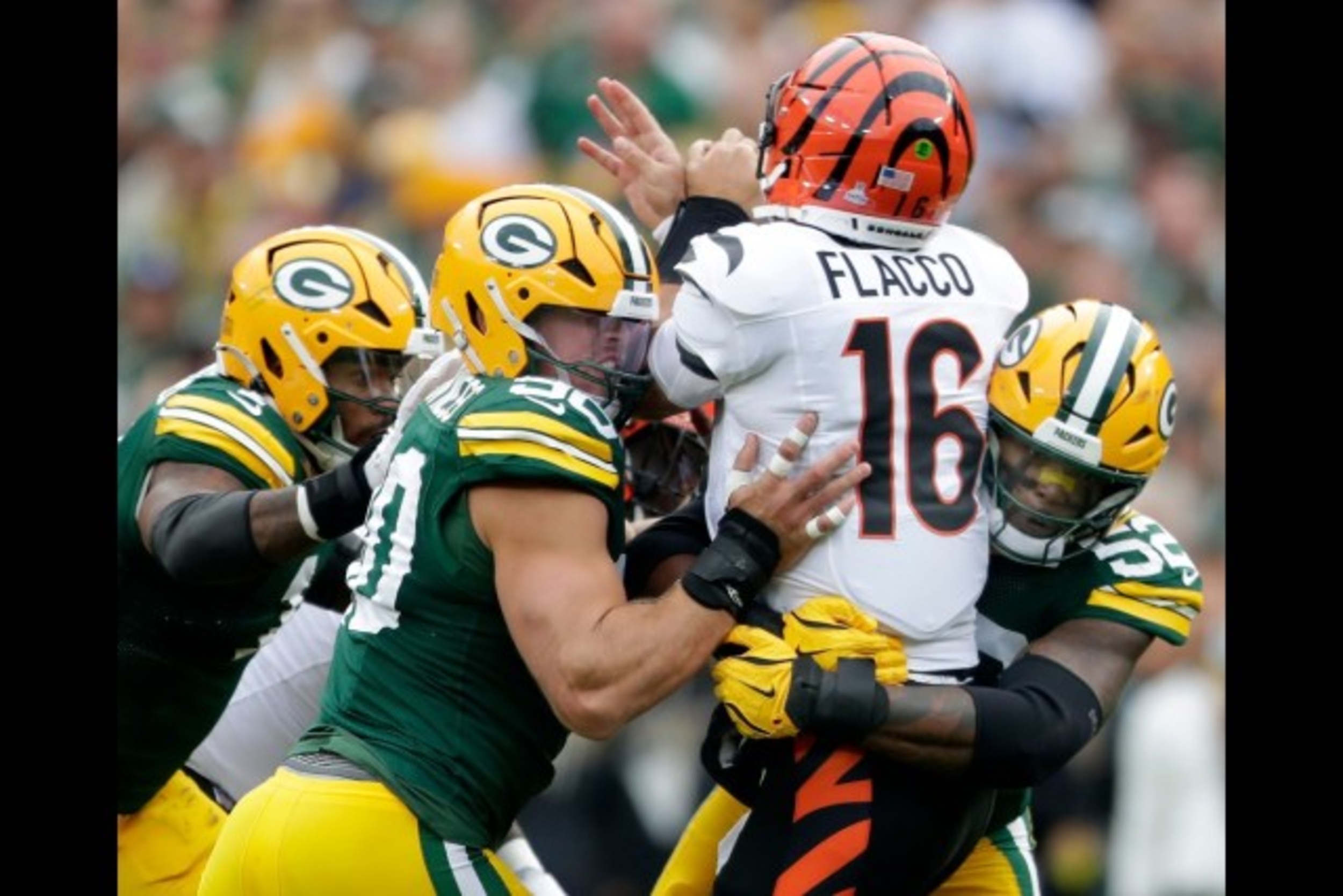
What will the Packers do? Will they shave salary and cut the aforementioned players, thereby affording to keep their free agent-to-be? Do they blindly hold faith in underachievers in the hopes they find their groove?
As with any business, Green Bay must weigh the economic factors against how productive and/or costly their players are for their franchise. In the cases of Jenkins, Nixon, and Gary, the Packers should cut bait and build those positions up either from within or through wise free agent and draft decisions. Players like Van Ness responded late when needed, and the money saved by cutting those expensive players could be the difference in an extended playoff run in January 2027.
More must-reads:
- Cam Skattebo apologizes for his absurd comments on CTE, asthma
- Joe Burrow scaring Bengals fans with his extremely intense play in flag football tournament
- The 'Active 100-catch NFL seasons' quiz
Breaking News
Trending News






Customize Your Newsletter
 +
+




Get the latest news and rumors, customized to your favorite sports and teams. Emailed daily. Always free!
PRIVACY POLICY COOKIE POLICY CONTACT US
ABOUT YARDBARKER TERMS OF SERVICE


By using this site, you agree to our Terms of Service and Privacy Policy.
This site is for entertainment purposes only.
There is no gambling offered on this site.
Gambling Problem? Call 1-800-Gambler.
