
-

-


Follow Us
-

 On Facebook
 On Flipboard


Scoring goals has rarely been an issue for the Colorado Avalanche. Keeping the opposition from scoring while they're on the power play? Well, that's becoming an entirely different matter.
Through their first seven games, the Avalanche have surrendered three shorthanded goals, an unsettling statistic for a team featuring some of the NHL's most talented offensive players.
The latest occurred Wednesday against the Dallas Stars, when Arttu Hyry scored on a breakaway early in the third period to give the Stars a 2-1 advantage. The Avalanche eventually tied the contest on Brock Nelson's third goal of the season before falling 3-2 in a shootout.
While the defeat represented just the Avalanche's second regulation or overtime loss of the young season, it exposed an issue that deserves attention.
Colorado's Shorthanded Goals Issue
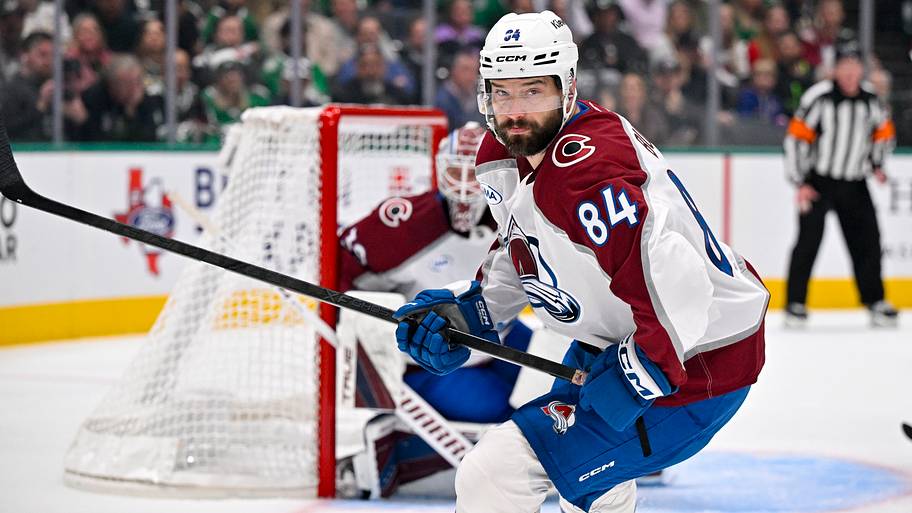
The Avalanche entered Friday's game against the Pittsburgh Penguins with a 4-2-1 record, having scored 31 goals in seven contests. That's an average of 4.43 goals per game, a remarkable pace that illustrates just how dangerous the Avalanche can be offensively. Nathan MacKinnon has continued his exceptional play, scoring five goals and seven assists through seven games. Meanwhile Cale Maker, has contributed seven points from the blue line, providing the type of offensive support that makes the Avalanche difficult to defend.
Yet the team's power play has been surprisingly vulnerable. The Avalanche have converted five of their 25 opportunities with the man advantage, a 20 percent success rate. That figure isn't disastrous by itself. The bigger concern is what happens when Colorado fails to maintain possession.
Opponents have already shown that an aggressive approach can create scoring chances in the opposite direction, particularly when the Avalanche commit too many players to the offensive zone. Against Dallas, the Avalanche went scoreless on four power-play opportunities while allowing the shorthanded goal that temporarily put the Stars ahead.
For head coach Jared Bednar, the situation presents an interesting dilemma. The Avalanche's offensive philosophy relies heavily on speed, creativity and defensemen joining the attack. Those characteristics have helped make the Avalanche one of hockey's most entertaining teams. However, there are occasions when patience and positioning become equally important.
The Avalanche don't necessarily need to abandon their aggressive approach. Instead, they must become more selective about when to take chances. That could mean improving puck management better near the blue line, providing better support when possession changes and ensuring that one mistake doesn't develop into an uncontested scoring opportunity. The consequences become considerably more significant during the Stanley Cup Playoffs.
A shorthanded goal in October might cost a team one point in the standings. The same mistake in April or May could alter the outcome of an entire series. The Avalanche certainly possess enough offensive ability to overcome an occasional lapse. But relying on MacKinnon, Makar and their teammates to repeatedly erase mistakes isn't a sustainable strategy against the league's strongest opponents.
Seven games represent a small sample size of an 84-game schedule, leaving ample opportunity for improvement. Still, the Avalanche have already received several reminders that scoring opportunities can quickly become defensive liabilities. If they can correct that problem without sacrificing their offensive identity, an already dangerous team becomes considerably more difficult to beat.
More must-reads:
- Sidney Crosby passes Hall of Famer Joe Thornton on NHL all-time leaderboard
- Rick Tocchet blames Flyers' struggles on 'horny' defensemen
- The '2nd-most TD-passes by NFL team' quiz
Breaking News
Trending News



Customize Your Newsletter
 +
+




Get the latest news and rumors, customized to your favorite sports and teams. Emailed daily. Always free!
PRIVACY POLICY COOKIE POLICY CONTACT US
ABOUT YARDBARKER TERMS OF SERVICE


By using this site, you agree to our Terms of Service and Privacy Policy.
This site is for entertainment purposes only.
There is no gambling offered on this site.
Gambling Problem? Call 1-800-Gambler.
