
-

-


Follow Us
-

 On Facebook
 On Flipboard

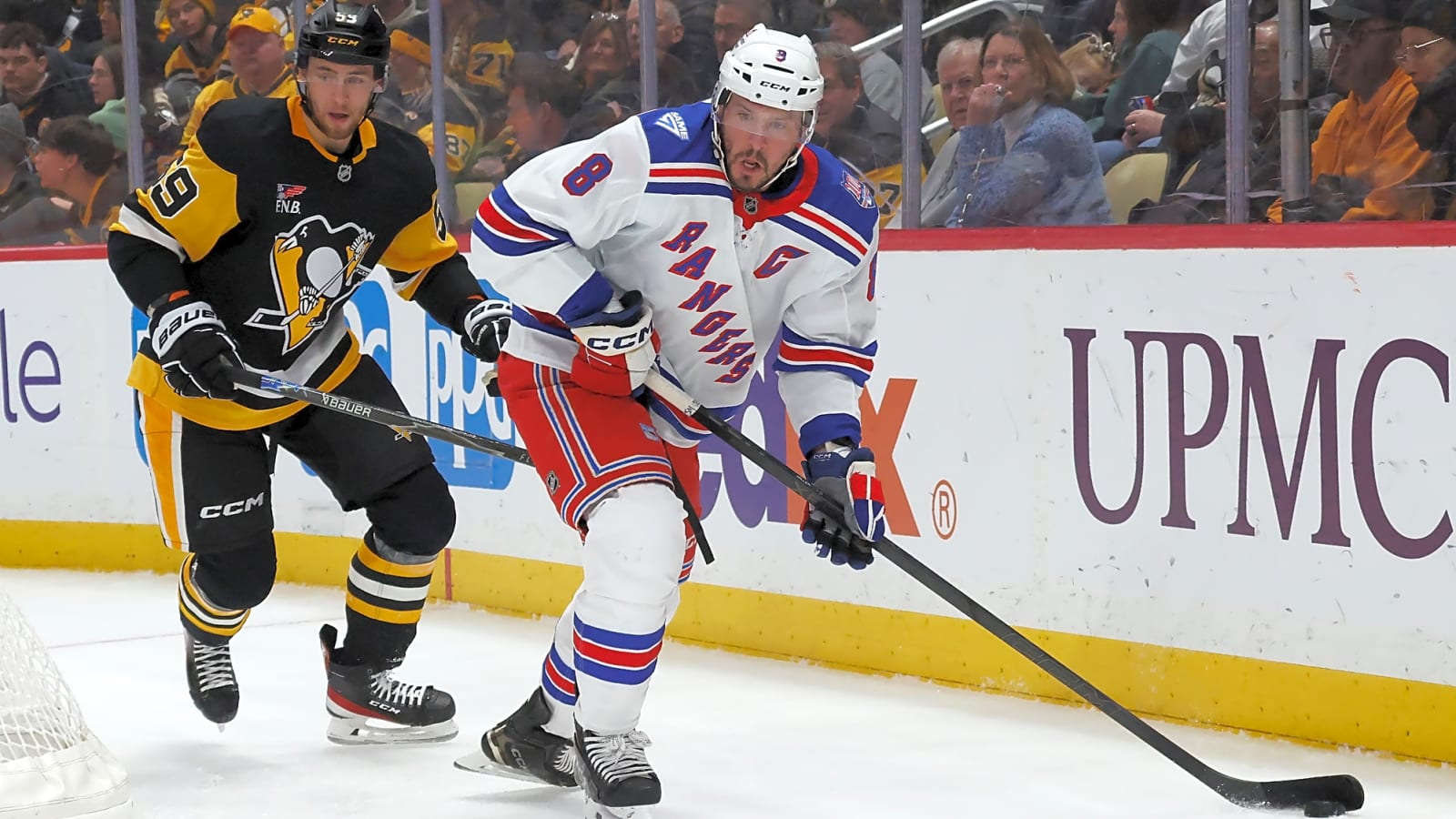
Jeff Marek’s take on the JT Miller trade is simple but tough: it was bad for both the Vancouver Canucks and the New York Rangers. Most trades pick a side—someone wins, someone loses. In this case, Marek argues that both teams walked away worse. After the deal, the Canucks slid to 32nd in the league, and the Rangers sank to 30th. That’s not a coincidence in his eyes.
Why the Miller Trade Felt So Odd
What made the Miller deal stand out is that it never fit the usual logic of a trade. There was no clear upside for either club. Vancouver didn’t maximize value, and New York didn’t get the version of Miller they were hoping for. Marek keeps pointing to it because it’s rare to see a move backfire in two directions.
In Vancouver’s case, the decision wasn’t only about hockey. The room had personality issues, and the organization felt it needed a circuit breaker. That urgency pushed them into a trade that wasn’t built around best value—it was built around calming things down. When that’s the starting point, the return almost never matches the talent going out.
Miller’s Output: Vancouver vs. New York
And the talent was real. Miller gave the Canucks 437 points in 404 games, averaging 1.08 points per game. His peak years—99 points in 2021–22 and 103 in 2023–24—show how dominant he was. Those are elite scoring seasons, by any standard. Even in quieter seasons, he drove offence at a consistent clip: 0.38 goals, 0.71 assists, and that same 1.08 points per game average. Vancouver squeezed top-tier production from him every season.
In New York, the numbers are still okay, but they have been so much softer. He put up 71 points in 80 games, averaging 0.89 points per game—a noticeable drop from his Canucks pace. The defensive picture flipped, too: his plus/minus swung from +32 in Vancouver to –22 in New York. He’s still a good player, but he hasn’t been the all-situations driver he once was.
The Rangers Didn’t Exactly Win the Trade, Either
For the Rangers, the move hasn’t brought the payoff they hoped for. They didn’t get a disastrous version of Miller, but they didn’t gain a true core piece, either. His individual production is fine; the team results around him are not.
With recent comments that put him in a tricky position as captain, it leaves them in an awkward spot—hard to blame the entire downturn on the trade, but impossible to say the gamble paid off. He admitted he had no idea how to help this team get over their struggles as the NHL took a break for the Olympics. One can only hope he finds some sort of answer while playing for Team USA.
A Trade Both Teams Would Probably Redo
In the end, the Miller deal lands in a rare category: a trade where both teams look back and see more loss than gain. No collapse pinned on one player, no lopsided return—just two organizations that moved a major piece and never saw the value materialize the way they needed it to.
More must-reads:
- Penguins captain Sidney Crosby breaks Steve Yzerman's NHL record
- 'Wild West' gets wilder after Golden Knights extend William Karlsson
- The '2009 NFL Week 1 starting QBs' quiz
Breaking News
Trending News







Customize Your Newsletter
 +
+




Get the latest news and rumors, customized to your favorite sports and teams. Emailed daily. Always free!
PRIVACY POLICY COOKIE POLICY CONTACT US
ABOUT YARDBARKER TERMS OF SERVICE


By using this site, you agree to our Terms of Service and Privacy Policy.
This site is for entertainment purposes only.
There is no gambling offered on this site.
Gambling Problem? Call 1-800-Gambler.
