
-

-


Follow Us
-

 On Facebook
 On Flipboard
 On Twitter
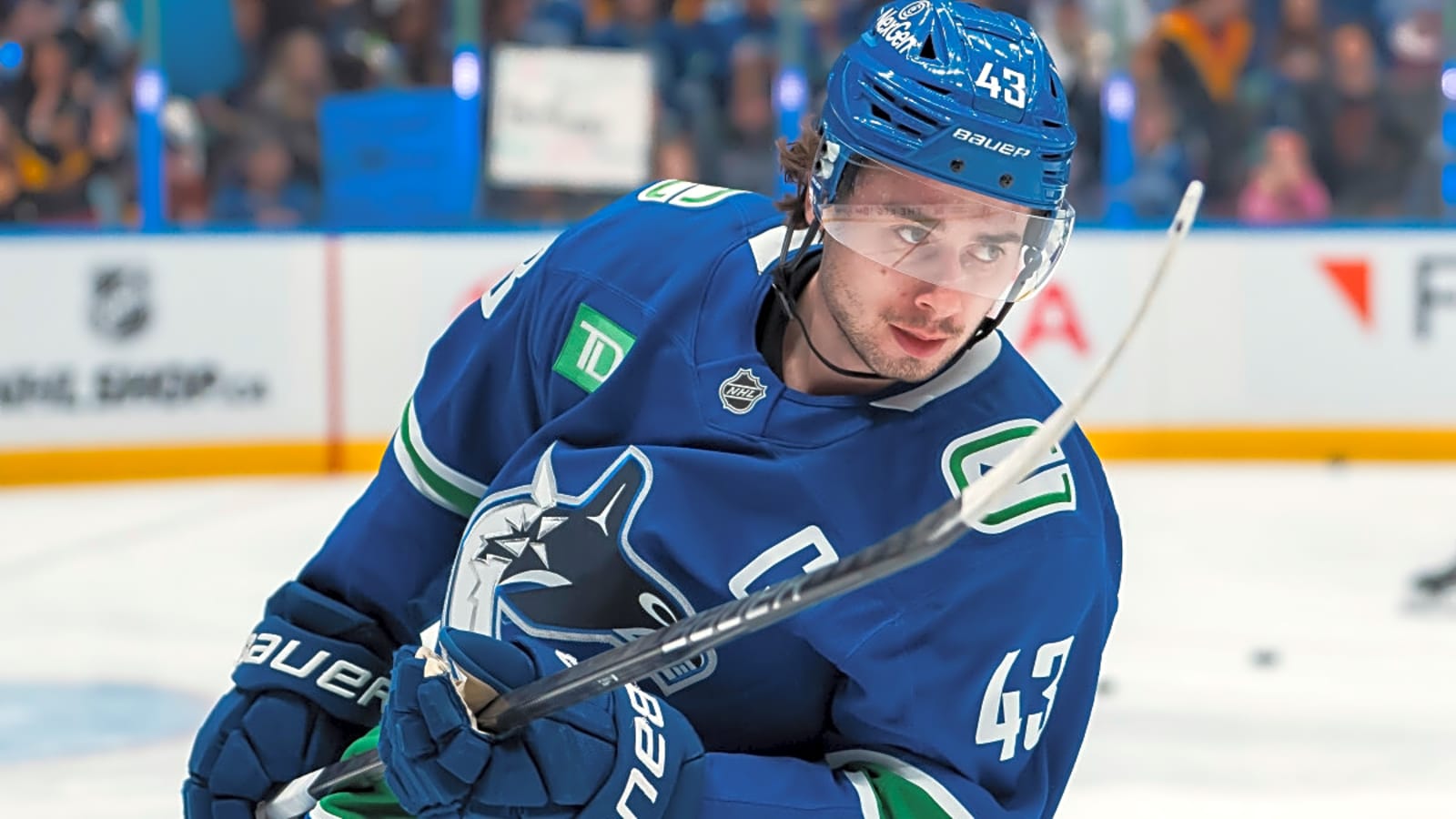
Quinn Hughes has quickly become one of the Minnesota Wild’s most important players since arriving in a December trade from the Vancouver Canucks.
The 26-year-old defenseman, who previously served as Vancouver’s captain, has made an immediate impact at both ends of the ice. In 29 games with Minnesota, Hughes has recorded three goals and 33 assists while averaging 28 minutes, 6 seconds of ice time per night. His ability to control possession, drive offense from the blue line and handle heavy minutes has helped elevate the Wild’s overall performance.
Now, the focus is shifting to his long-term future after Hughes returned triumphant from the 2026 Milan Cortina Winter Olympics with a gold medal. He scored a goal and had seven assists in the Olympics. His goal was an overtime winner in the quarterfinals against Sweden that sent Team USA to the semifinals.
According to The Athletic’s Michael Russo and Joe Smith, it would be a “surprise” if Hughes does not sign a contract extension with Minnesota. That report signals optimism within league circles that the Wild are in a strong position to retain him.
Hughes was linked to multiple teams before the trade, including the New Jersey Devils and Detroit Red Wings, after Vancouver decided to move him. Minnesota ultimately stepped up with the package that landed the elite defenseman. Since then, Hughes has appeared comfortable in his new role and system.
Still, questions remain.
Hughes is scheduled to become a free agent after the 2026-27 season. That gives Minnesota time, but not unlimited time, to secure a long-term agreement. The Wild would prefer to avoid a situation where contract talks drag into the final year of his deal.
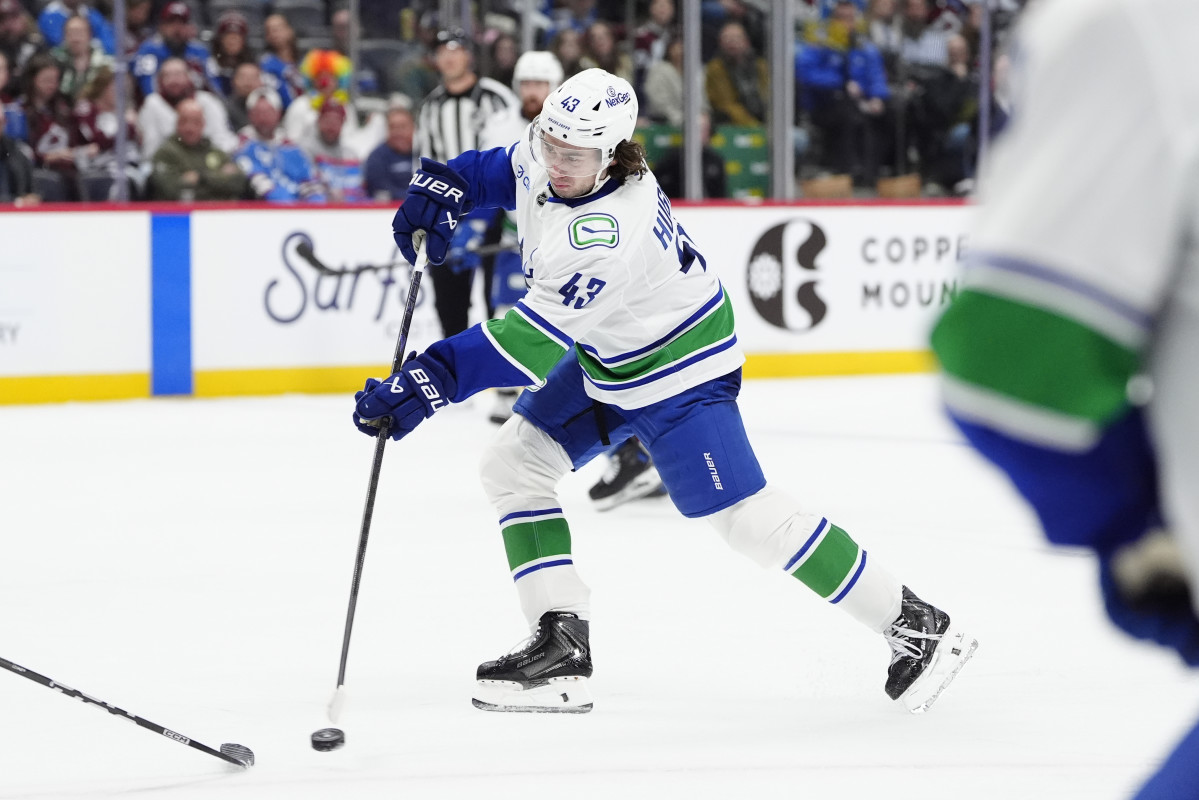
There are personal factors that could influence his decision. Hughes has strong family ties to New Jersey, where his brothers Jack and Luke play, and Michigan, where he grew up. Those connections have fueled speculation that he could eventually prefer a move closer to home.
On the ice, much may depend on Minnesota’s trajectory.
If the Wild can make a Stanley Cup run in 2026, that success could strengthen Hughes’ desire to remain part of the organization’s core. Winning often makes long-term commitments easier. Conversely, if Minnesota struggles or exits early in the playoffs, it could create uncertainty about the team’s competitive window.
The Wild’s long-term plan appears clear. They envision Hughes anchoring the blue line alongside young cornerstones such as Matt Boldy and Brock Faber. Locking up Hughes would solidify that foundation and give Minnesota stability at a premium position.
However, the organization also understands the business side of the situation. If it becomes clear that Hughes does not intend to sign an extension, Minnesota may have to explore trade options next offseason rather than risk losing him for nothing in free agency.
For now, the early signs are positive. Hughes has delivered at a high level since the trade, and league insiders believe an extension is likely. Still, until a deal is signed, his future will remain one of the biggest storylines surrounding the Wild.
Minnesota made a bold move to acquire Hughes. The next step is ensuring he stays for the long term.
The Wild (35-16-10) sit in third place in the Western Conference's Central Division with 80 points, 15 points ahead of the Seattle Kraken, who own the second wild-card spot. Minnesota hosts the Tampa Bay Lightning at 9:30 p.m. ET Tuesday,
More must-reads:
- Kings HC Jim Hiller's once-promising tenure ends in disappointment
- Why Islanders' Matthew Schaefer is runaway favorite for NHL's Calder Trophy
- The 'Most NHL goals by an American' quiz
Breaking News
Trending News


Customize Your Newsletter
 +
+




Get the latest news and rumors, customized to your favorite sports and teams. Emailed daily. Always free!
PRIVACY POLICY COOKIE POLICY CONTACT US
ABOUT YARDBARKER TERMS OF SERVICE


By using this site, you agree to our Terms of Service and Privacy Policy.
This site is for entertainment purposes only.
There is no gambling offered on this site.
Gambling Problem? Call 1-800-Gambler.
