
-

-


Follow Us
-

 On Facebook
 On Flipboard
 On Twitter

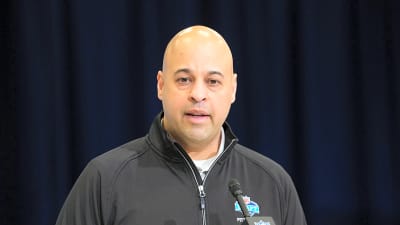
If you listened to Craig Berube talk about the Toronto Maple Leafs’ injuries lately, you probably noticed something right away: he’s polite, he gives the facts, but there’s zero extra energy. He doesn’t spin anything extra into the story; he doesn’t speculate. He does his job and gives minimal information.
And that’s actually pretty telling about how he coaches.
Four Things We Learn About Berube from These Injury Reports.
First, Berube keeps it practical and straightforward. He isn’t here to make headlines. He’s focused on what he can control: the practices, the players on the ice, the rehab he can supervise. The rest? That’s up to the medical staff or time itself.
Second, Berube is patient and not dramatic. Maybe because he’s seen it all. Players get healthy, they get hurt again, things change fast. So he doesn’t overreact when someone goes down. That calm, measured approach suggests he trusts the process and is willing to wait for answers rather than guess.
Third, Berube puts the team first, and the media second. When he answers questions, it’s never about making the reporters happy. It’s about keeping the team moving, preparing backups, and maintaining morale. The words aren’t flashy; they’re simply functional.
Fourth, Berube hands off responsibility where it makes sense. He doesn’t feel like he needs to know every little rehab detail. He lets the people with the right expertise do their work. His job is to manage the players, not micromanage the trainers.
It Probably Isn’t that Berube Doesn’t Care.
Put it together, and it’s not that Berube doesn’t care. It’s that he’s disciplined. He prioritizes action over chatter, and he’s calm under pressure. That’s the kind of coach who keeps the team steady when injuries mount or the schedule gets brutal. He’s not showing off, he’s just making sure the ship keeps moving.
Berube doesn’t need to be a “talking head” coach. He’s the guy quietly running the room, keeping players ready, and letting specialists handle what they know best. You notice it most when things get tough—and that’s when a team really needs that steady hand.
More must-reads:
- NHL trade-deadline winners, losers: Avalanche go all-in; Ducks get huge addition
- Penguins' Evgeni Malkin hit with big suspension for slashing Sabres' Rasmus Dahlin
- The 'Team USA 2026 WBC roster' quiz
Breaking News
Trending News







Customize Your Newsletter
 +
+




Get the latest news and rumors, customized to your favorite sports and teams. Emailed daily. Always free!
PRIVACY POLICY COOKIE POLICY CONTACT US
ABOUT YARDBARKER TERMS OF SERVICE


By using this site, you agree to our Terms of Service and Privacy Policy.
This site is for entertainment purposes only.
There is no gambling offered on this site.
Gambling Problem? Call 1-800-Gambler.
