-

-


Follow Us
-

 On Facebook
 On Flipboard


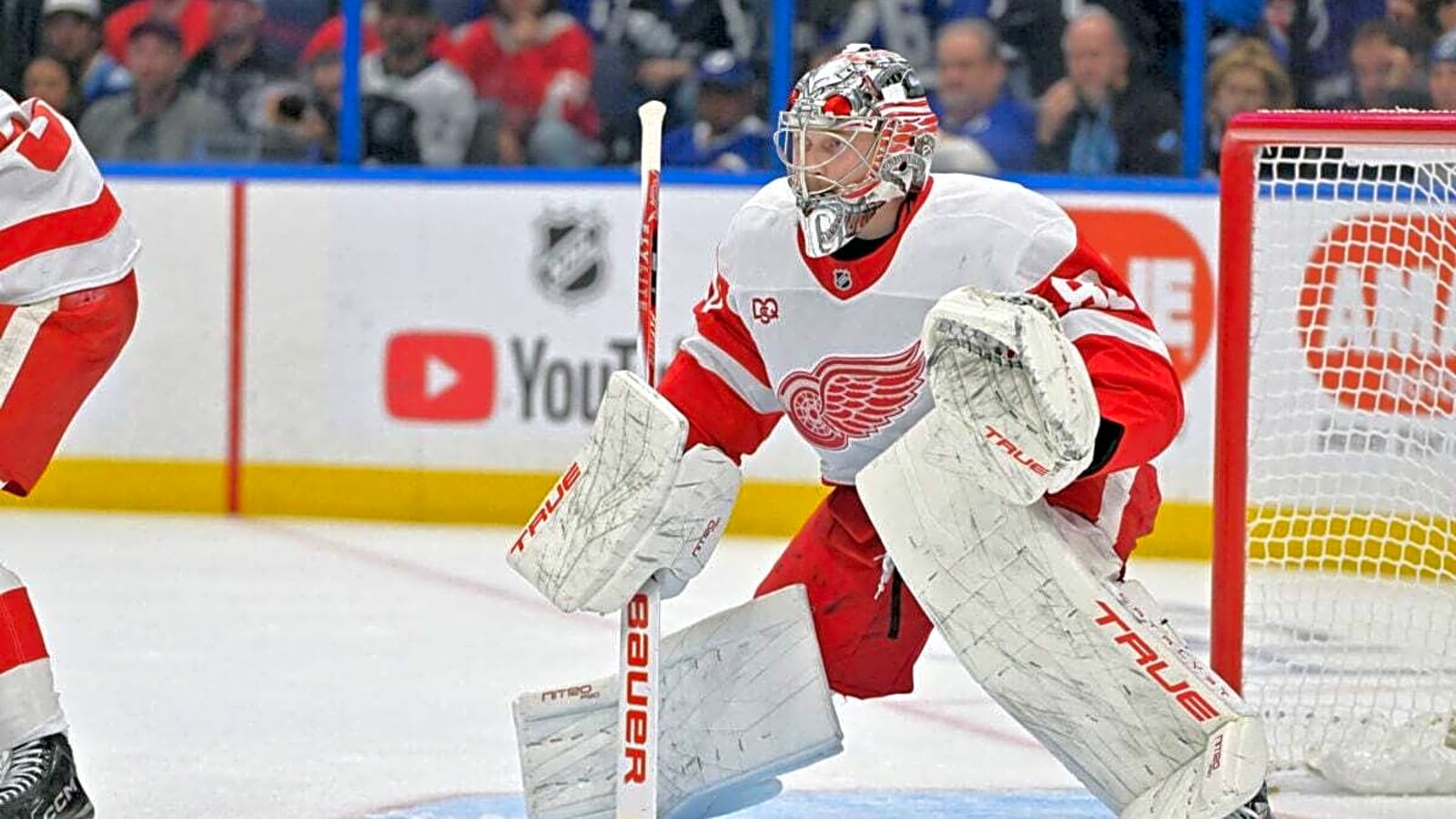
Daniil Tarasov arrived in Hockeytown as a $2 million insurance policy. Six weeks into the season, he has handed the Detroit Red Wings a contract question they probably didn’t expect to face this soon.
His deal runs out at the end of this season. If Tarasov keeps playing like this, Detroit will have to decide whether to lock him up early or let the open market set his price next summer.
Why Daniil Tarasov’s Contract Is Suddenly a Question
Daniil Tarasov ranks second among qualified NHL goalies with a .931 save percentage (SV%), according to CBS Sports’ goaltending leaderboard, and Saturday’s 31-save shutout in Tampa was his second in nine appearances with the Red Wings.
That has already changed his role. The Detroit News expects him to get “the majority of playing time for the near future,” as Ted Kulfan wrote after Saturday’s win. A goalie signed as a backup is now carrying the load, and his contract wasn’t built for that.
What Tarasov’s 1-Year Deal Means for Detroit
The Red Wings signed Tarasov on July 1 on a 1-year, $2 million contract, according to the club’s announcement. He is 27, and he can hit unrestricted free agency next July.
Detroit can’t act right away. Jan. 1 is the first day NHL teams can extend players on 1-year deals, as we explained when looking at the Maple Leafs’ extension candidates. That gives the Red Wings about six more weeks to evaluate him before they can talk numbers.
How John Gibson’s Expiring Contract Raises the Stakes
The timing matters because the club’s other goaltender is in the same spot. John Gibson’s 8-year, $51.2 million deal carries a $6.4 million cap hit and expires after this season, as TSN detailed when Detroit acquired him.
Without a move, the Red Wings would enter next summer with neither goaltender under contract. That turns Tarasov from a pleasant surprise into a planning question for the front office.
The Case for Extending Tarasov Early
The strongest argument is cost. His price will only rise if he keeps posting top-of-the-league numbers into the new year, and signing him before he reaches the market would likely cost far less than replacing him there.
Detroit also needs stability in net. With Gibson’s deal ending, the club has no clear long-term starter, and a goalie already performing in its system is easier to keep than one who has to be found elsewhere.
The Case for Waiting on Tarasov
The sample is still small. Before joining Detroit, Tarasov posted a 32-49-9 record, a 3.30 goals-against average and an .897 SV% over 98 NHL games with Columbus and Florida, per the same team announcement. His .895 SV% with the Panthers last season shows how quickly a goaltender’s numbers can swing.
That doesn’t mean his start is a fluke. It does mean the Red Wings should want more than nine appearances before committing real money and term.
How Trey Augustine Shapes the Decision
The prospect pipeline matters here, too. Trey Augustine, Detroit’s top prospect, is 21 and was projected to arrive in the NHL in 2028-29, according to NHL.com’s preseason prospect rankings. He is spending this season with the Grand Rapids Griffins.
Michal Postava, who made his NHL debut in October, gives the club another young option, as our summer prospect rankings highlighted. That timeline points toward a bridge. Detroit doesn’t need Tarasov for the next six years, but it may need him for the next two or three while Augustine develops.
What the Red Wings Should Do With Tarasov
The best path is patience now and action on Jan. 1. If Tarasov is still near the top of the league when the window opens, Detroit should offer a short extension that covers the years before Augustine is ready.
That approach protects the club either way. A 2- or 3-year deal keeps the cost manageable if he regresses, and it keeps a proven starter in place if he doesn’t. For a goalie the Red Wings signed as a backup in July, getting this decision right could be one of the most important moves of their season.
More must-reads:
- Connor McDavid's historic start continues by tying Wayne Gretzky record
- Nathan MacKinnon, Cale Makar absences hurt, but there's a silver lining for Avalanche
- The 'CFP-era 40-TD passers' quiz
Breaking News
Trending News








Customize Your Newsletter
 +




Get the latest news and rumors, customized to your favorite sports and teams. Emailed daily. Always free!
PRIVACY POLICY COOKIE POLICY CONTACT US
ABOUT YARDBARKER TERMS OF SERVICE


By using this site, you agree to our Terms of Service and Privacy Policy.
This site is for entertainment purposes only.
There is no gambling offered on this site.
Gambling Problem? Call 1-800-Gambler.