
-

-


Follow Us
-

 On Facebook
 On Flipboard
 On Twitter
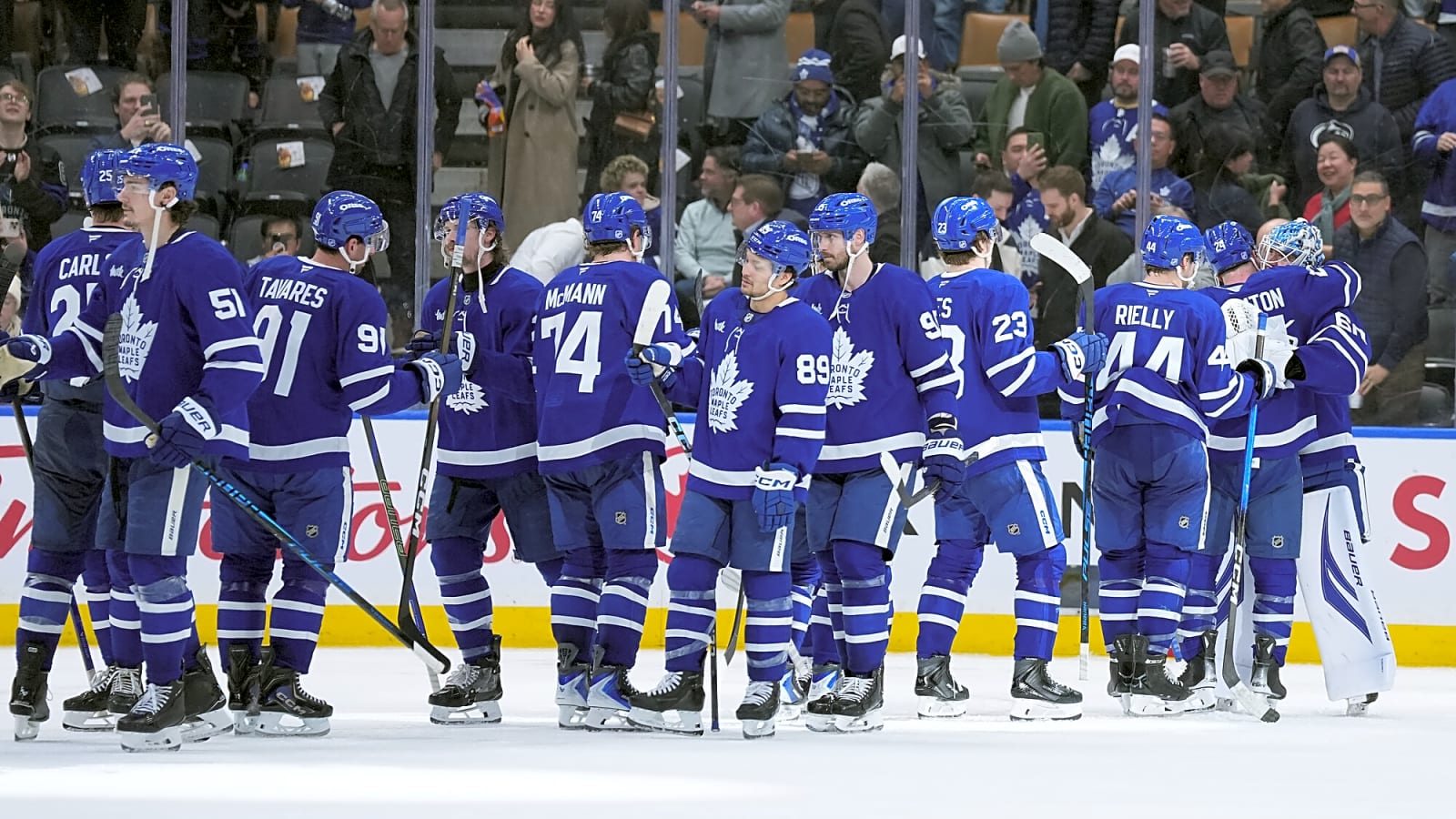
Earlier this season, as the Toronto Maple Leafs kept losing, they looked slow. Not tired and not necessarily overmatched. Just… slow. Pucks died on their sticks. Breakouts stalled. Everything felt a half-second late.
But in Tuesday’s 4–1 win over the Florida Panthers, which I listened to on the radio, the Maple Leafs colour commentator Jim Ralph said the team suddenly looked fast. Aggressive. On top of plays. When I watched the game highlights, he was right. The team looked so fast.
So, how come? What was the change? And it raises a fair question: how can the same team, with the same players, look so different?
The short answer is that speed in hockey isn’t just about legs. It’s also about decisions, confidence, and how comfortable a team feels inside its own structure.
When the Maple Leafs Were Losing, Everything Took Longer
When the Maple Leafs were struggling earlier in the year, it wasn’t because they suddenly forgot how to skate. The speed was still there. What stood out was the hesitation. Guys held onto pucks a beat too long, waited for the perfect play instead of the next one, and when pressure came, mistakes followed — usually right through the middle.
That hesitation slowed everything down. At the time, it felt like Craig Berube had taken a lot of the risk out of the Maple Leafs’ game. Instead of trusting what they were seeing, players looked like they were double-checking themselves, worried about making the wrong play.
Their feet were still moving, but the game looked heavy. It wasn’t aggressive or confident. It was careful — and slow. Passing lanes closed quicker. Defenders had time to recover. What should have been a fast transition often ended with a dump-in or a reset back to safety.
That’s what you get when a team starts playing not to mess things up, and for a stretch, that’s exactly how the Maple Leafs were wired. You could see it in the neutral zone every shift: safer paths, almost no attempts through the middle, and way more chips than carries. And those hesitant decisions came to feed on themselves. Ironically, the slower a team plays, the more mistakes it makes. Funny that.
The Maple Leafs’ Puck Speed Created the Illusion of Team Speed
Against Florida, the Maple Leafs weren’t suddenly faster skaters. What changed was the puck’s pace. Passes were made earlier. Support was closer. Decisions were automatic.
In today’s NHL, puck speed is team speed. When the puck moves quickly, defenders are forced to pivot. Gaps open. Even average skating teams can look quick when they’re moving the puck decisively.
Toronto did that well against the Panthers. They didn’t overhandle. They didn’t wait. They trusted the next option would be there — and more often than not, it was.
The Maple Leafs’ Confidence Changed Their Risk Tolerance
There’s also a risk element that isn’t discussed enough. Losing teams tighten up. Winning teams go for it.
Earlier in the season, the Maple Leafs were trying hard not to make mistakes. That often translated into backing off pressure, playing the boards, and choosing the lowest-risk option. It kept games close, but it didn’t create the kind of play that translated into winning hockey.
Against Florida, Toronto attacked. Defensemen stepped up. Forwards supported through the middle. Those plays feel fast because they’re assertive. Straight lines always look quicker than cautious ones.
The Maple Leafs’ Structure Makes Everyone Look Younger
Another piece of this is structure. When a team’s spacing is right, players don’t have to over-skate to recover. They arrive on time instead of being late. That saves energy and sharpens reactions.
Earlier in the season, breakdowns forced Maple Leafs players to chase more than they wanted. Stop-start hockey is exhausting. It makes even good skaters look sluggish.
Against the Panthers, Toronto spent far less time scrambling. They were set. They knew where help was coming from. That alone can shave seconds off a shift. This might be the biggest difference of all. Winning teams play with anticipation. Losing teams play with fear.
Anticipation leads to jumping routes, quick reads, and confidence in traffic. Fear leads to second-guessing. Same legs. Different mindset.
The Takeaway for the Maple Leafs?
Toronto proved they can play fast when their heads and structure are in the right place. The real question is whether they can keep that trust and confidence intact when the pressure mounts again. That will tell us if this was a one-night glimpse or a sign of a team that’s truly turned the corner.
Fans will see as the team enters the middle of the regular season.
More must-reads:
- NHL gets it wrong with another discipline decision regarding Panthers' A.J. Greer
- Bruins expect to sign James Hagens
- The 'NCAA basketball tournament mascots' quiz
Breaking News
Trending News






Customize Your Newsletter
 +
+




Get the latest news and rumors, customized to your favorite sports and teams. Emailed daily. Always free!
PRIVACY POLICY COOKIE POLICY CONTACT US
ABOUT YARDBARKER TERMS OF SERVICE


By using this site, you agree to our Terms of Service and Privacy Policy.
This site is for entertainment purposes only.
There is no gambling offered on this site.
Gambling Problem? Call 1-800-Gambler.
