
-


Follow Us

 On Facebook
 On Flipboard
 On Twitter
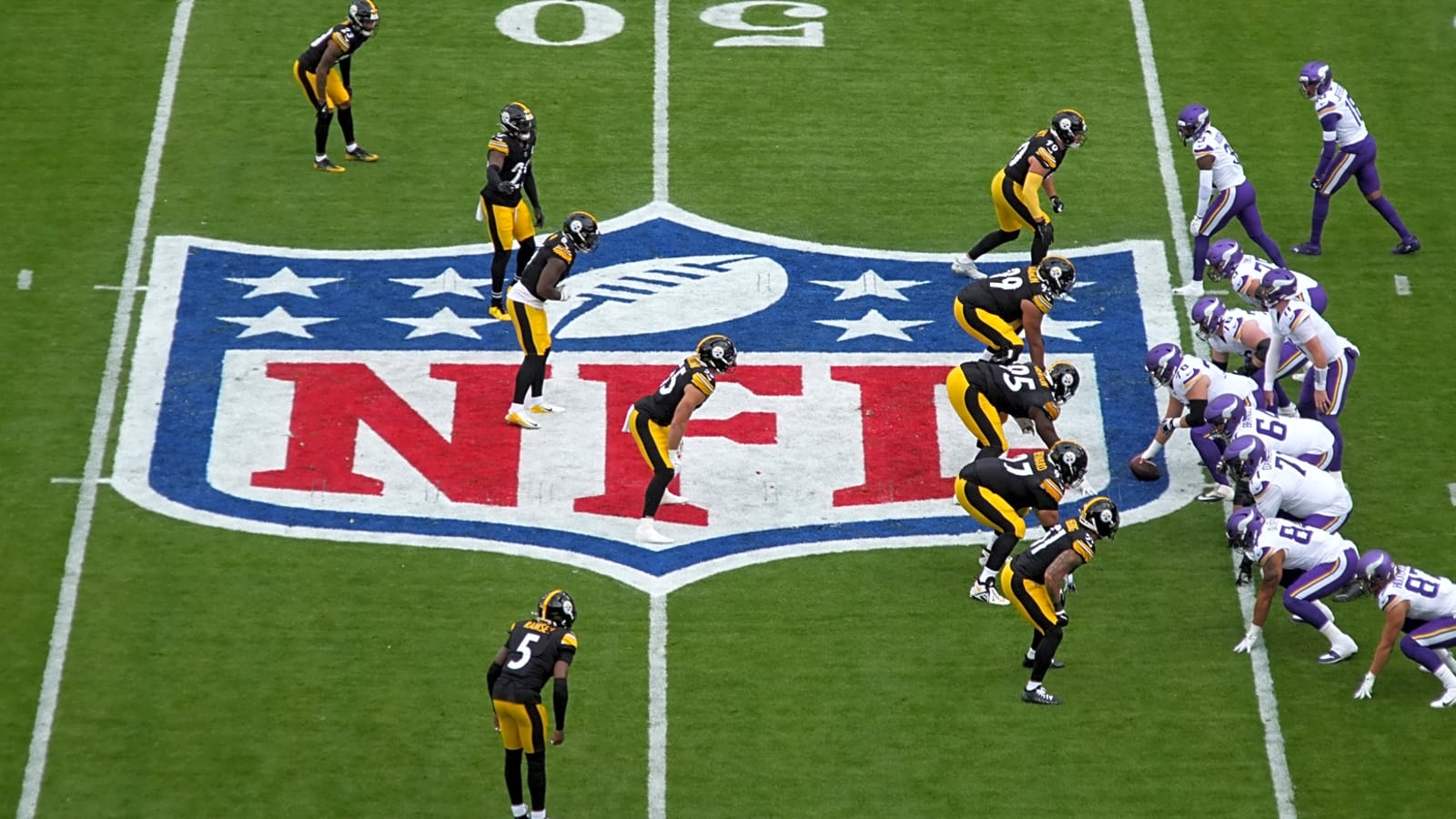
NFLPA reacts strongly to idea of 18th NFL regular-season game, and concerns are legitimate
There has apparently been a "renewed push" from NFL owners to fire up the grill on an 18-game regular season.
It makes sense from the owner's perspective. An extra game that matters means one fewer game that doesn't matter.
That means fans paying more regular-season prices to get through the gate. That means international trips that would hypothetically bring more fans (and thus, merchandise sales) into the fold.
The players, in the meantime, have no desire to play an 18th regular-season game, according to NFLPA interim executive director David White, who was speaking at the union's annual Super Bowl news conference.
"The 18th game is not casual for us. It's a very serious issue. It's something that comes out of negotiations, and nothing will move forward until players have the opportunity to account for all of those factors, take that into consideration and then through negotiations, agree or not to the 18th game," White said, per Brooke Pryor of ESPN.
The main concern, of course, is player safety.
One extra game with real ramifications on the line means one extra game of hard hits, grueling practices and potentially tough recovery timelines. International travel won't help professional athletes trying to recover from physical games every week. That's already hard to do.
International games are hard on NFL players
"Some teams will fly out days early, some will fly out the day before, some will stay near the practice site. Some will have lengthy commutes for the players after that travel when they're getting over jetlag, et cetera. And then the games following and whether or not there's a period of real restoration for their bodies, that, too, is inconsistent. ... all of that needs to be accounted for if we're going to talk about moving even further away or having more international games," White said.
That's what the owners want, though. They want more real football, and they want to take the game global.
Player safety does not seem to be at the forefront of these ideas, but White and NFLPA president Jalen Reeves-Maybin both believe that a longer season means more exposure to injuries.
"It's punishing, and we can see that on the teams that have deep postseason runs," White said. "And we saw it this year. ... Those injuries, they cost players pay, they can shorten careers, they can diminish lifetime earnings. And when your average career is already three to four years, that becomes something that is existential."
The NFL's ownership conglomerate can't expand the regular-season schedule anytime soon without the NFLPA agreeing to opening up a negotiation window before the current collective bargaining agreement expires in March 2031.
More must-reads:
- Roger Goodell seems to respond to Patriots owner Robert Kraft about possible 18-game NFL season
- Roger Goodell makes statement on Bill Belichick Hall of Fame snub
- The 'Super Bowl starting QBs' quiz
Breaking News
Trending News



Customize Your Newsletter
 +
+




Get the latest news and rumors, customized to your favorite sports and teams. Emailed daily. Always free!
PRIVACY POLICY EDITORIAL POLICY CONTACT US
ABOUT YARDBARKER TERMS OF SERVICE


Use of this website (including any and all parts and
components) constitutes your acceptance of these
Terms of Service and Privacy Policy.
This site is for entertainment purposes only.
There is no gambling offered on this site.
Gambling Problem? Call 1-800-Gambler.
