
-


Follow Us

 On Facebook
 On Flipboard
 On Twitter
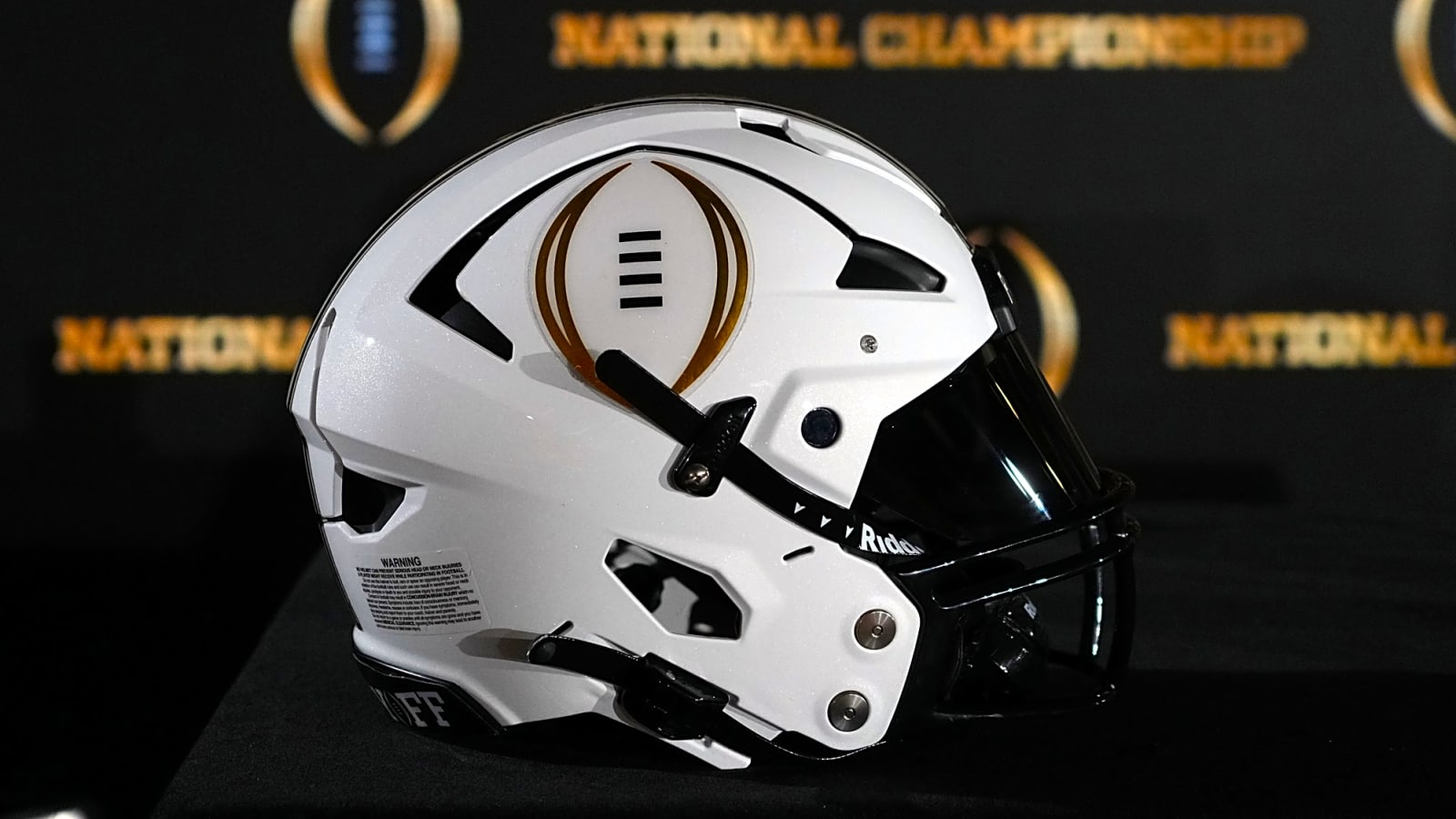
Can newly upgraded conference save Group of Five's CFP future?
The 2025 College Football Playoff is now at the quarterfinal stage, and there's an persistent narrative floating around after the first round: The Group of Five should not receive an automatic bid to the twelve-team bracket and should be restricted from playoff access by any means necessary.
A newly upgraded conference might be able to push back against that argument.
The new Pac-12 is the Group of Five's answer to an unfair playing field
Tulane and James Madison both had historic seasons for their programs and were worthy representatives in the current College Football Playoff format.
That said, both teams were also clearly outmatched in their first-round matchups against Ole Miss and Oregon, prompting many analysts to question whether the selection committee should adjust its format.
In fact, analysts like Fox Sports' Joel Klatt have argued that the non-power five conferences should have their own playoff rather than any access to this field.
"They don't need our charity... How do you continue to screw up what is so obviously an easy fix?"@joelklatt says the structure is broken after watching round one games. Should the Group of 5 get automatic berths into the playoff? pic.twitter.com/qX5vAaU8Vc
— The Joel Klatt Show: A College Football on FOX Pod (@JoelKlattShow) December 21, 2025
This argument comes with the question of whether the elite non-Power Four teams of the past can be recreated.
Squads like the 2004 and 2008 Utah Utes, the 2006 and 2008 Boise State Broncos, the 2010 TCU Horned Frogs, and the 2017 UCF Knights are among the reasons why this format was created in the first place.
It's not good for the overall health of the sport if more than half of the teams in college football are eliminated from national title contention before the season even begins.
Nevertheless, with the modern-day transfer portal and pay-to-play, the argument from Klatt and other analysts is that those elite squads are a figment of the past.
The Group of Five's subsequent response to this new era has been to create its own kind of super conference, the new PAC-12, to generate more revenue and compete with the Power Four.
The football participants for the PAC-12 in 2026 will include Washington State, Oregon State, Boise State, Colorado State, Fresno State, San Diego State, Utah State and Texas State.
Even more importantly, the new Pac-12 media rights deal is projected to generate roughly $7–10 million per school annually, which is more favorable than the American Athletic Conference and Mountain West.
This new revenue still pales well below that of the Power Four conferences. By comparison, Big Ten schools receive over $60 million per year, SEC schools exceed $50 million and the Big 12 and ACC generally fall in the $40–50 million range.
This gap, therefore, means the Pac-12 operates at a fraction of the revenue scale of the Power Four, but it's still a positive step in the right direction.
Time will tell whether this move will help field more competitive Group of Five teams, but for now, as the debate over the CFP format and the landscape of college football overall rages on, it's at least something.
More must-reads:
- 'Malfunctioning': Michigan interim coach Biff Poggi crushes prior leadership, and he's spot-on
- Joel Klatt predicts an all-Big Ten College Football Playoff title game
- The 'College football color teams' quiz





Customize Your Newsletter
 +
+




Get the latest news and rumors, customized to your favorite sports and teams. Emailed daily. Always free!
PRIVACY POLICY EDITORIAL POLICY CONTACT US
ABOUT YARDBARKER TERMS OF SERVICE


Use of this website (including any and all parts and
components) constitutes your acceptance of these
Terms of Service and Privacy Policy.
This site is for entertainment purposes only.
There is no gambling offered on this site.
Gambling Problem? Call 1-800-Gambler.
