
-


Follow Us

 On Facebook
 On Flipboard
 On Twitter
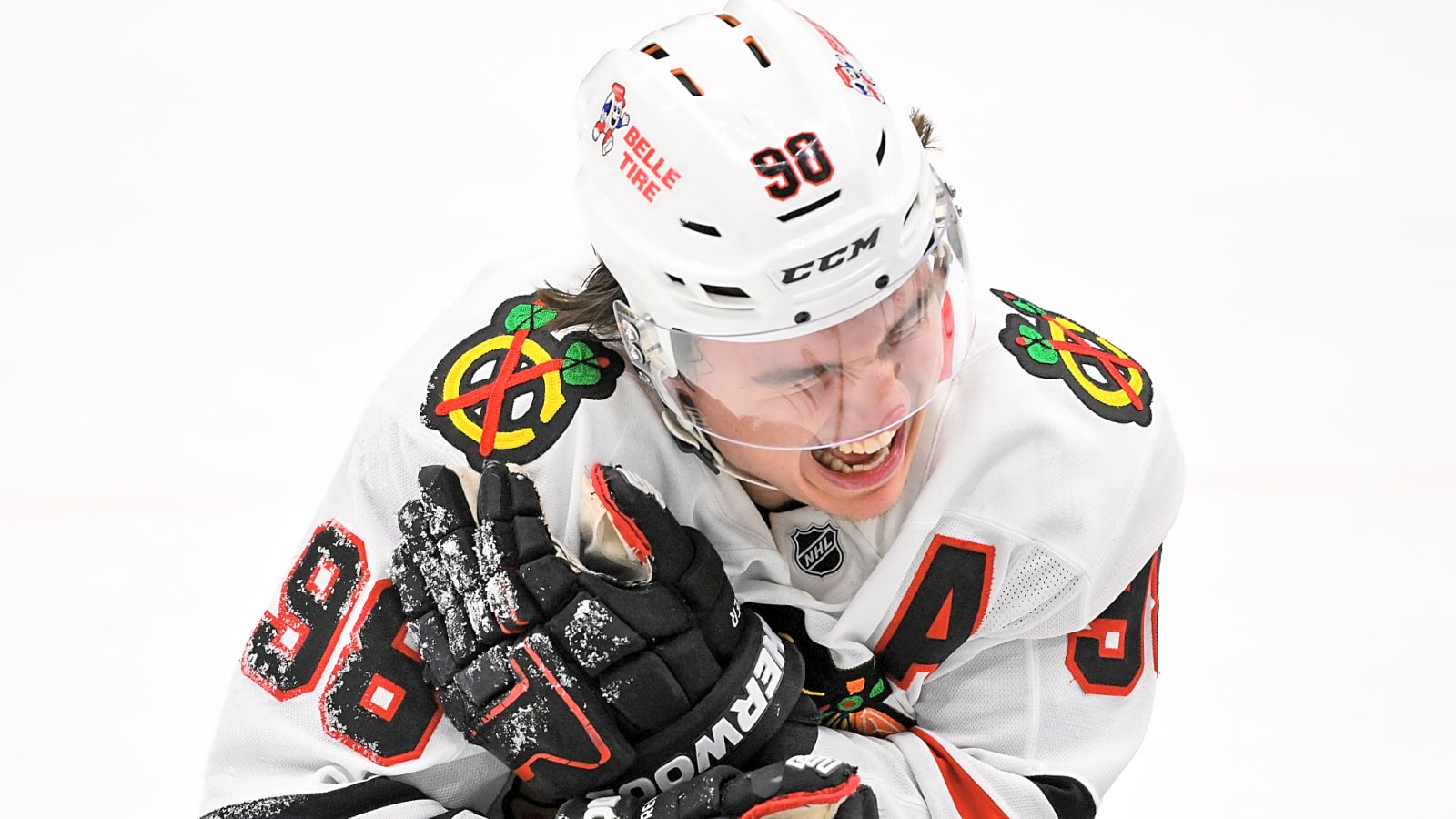
Doug Armstrong didn’t dodge the question. He didn’t dress it up, either. When asked about leaving Chicago Blackhawks star Connor Bedard off Team Canada — a player sitting on 110 points and lighting up highlight reels — Armstrong’s answer wasn’t about fear. It was about wiring.
He said he isn’t built to look backward.
Doug Armstrong sees the Team Canada selection process like a trade
Armstrong framed the entire selection process the same way a general manager frames a trade. Once you move a player, you don’t sit around hoping the decision ages well. You want the player to thrive, but you judge yourself by whether your team wins. That’s the only metric that counts. Not the box score elsewhere. Not the noise that follows.
And that’s the first thing he thinks people miss about this conversation. This wasn’t Armstrong saying Bedard isn’t great. He was saying greatness alone doesn’t build a tournament roster. He isn’t good enough yet.
Team Canada, especially in short tournaments, isn’t about upside. It’s about certainty.
According to Sportsnet, Armstrong admitted the only fear he carries is selecting the wrong fit, not leaving off a future superstar. When you’re working under the Hockey Canada banner, he said, there’s an expectation. Your job isn’t to entertain, but to finish. To be there at the end. Everything flows from that.
Doug Armstrong doesn’t see Connor Bedard helping Team Canada win
That’s where the Bedard discussion really lives.
Armstrong made it clear that this team isn’t built on a 30-game sample size. Or even a 70-game one. Olympic and international rosters lean heavily on long-view trust. He pointed to veteran players with 14 to 18 years of experience. They’ve lived through pressure, failure, adaptation, and reinvention. Those reps matter more than a hot season, even one as brilliant as Bedard’s.
It wasn’t a knock on Bedard. It was a timeline on what helps Team Canada win in the Olympics.
Bedard’s early NHL seasons, Armstrong said, have been a learning experience. And that’s not a dismissal, but it is an acknowledgement of reality. Very few players, no matter how gifted, walk straight into international dominance without a longer runway. This isn’t junior. It isn’t even the NHL grind. It’s a compressed, unforgiving environment where one misread costs a medal.
Then Armstrong said the quiet part out loud.
There’s no place on Team Canada’s roster where Connor Bedard can succeed
Armstrong didn’t see a position on this roster where Bedard would succeed.
That’s the sentence that might set people off. He wasn’t saying Bedard lacks ability. He said the roster’s construction didn’t create a natural home for him. Team Canada’s wings, as built, were slotted into particular roles: some to drive possession, some to check, some to finish, some to absorb pressure and still play fast. Armstrong didn’t believe Bedard, at this stage, would be placed in a role that let him be him.
And that’s an uncomfortable truth fans don’t want to hear. Superstars still need structure — even potentially generational ones.
This wasn’t a referendum on Bedard’s future. Armstrong made that clear by speaking calmly about what comes next. He hopes Bedard pushes. Armstrong expects him to. He wants him to become undeniable over time — not just prolific, but inevitable within a roster framework.
Doug Armstrong wasn’t defensive, just confident
There was no defensiveness in Armstrong’s tone — just confidence in the process. By doing so, he offered a reminder that international hockey selection isn’t about crowning stars. It’s about assembling something that holds under pressure.
Bedard’s time will come. Probably sooner than later. But for these Olympic Games, Armstrong chose certainty over brilliance-in-progress. And whether fans like it or not, that’s how Team Canada has always been built.
More must-reads:
- Connor Bedard’s injury didn’t impact missing Team Canada for 2026 Olympics
- Lightning bias shines through in Team Canada’s unsurprisingly predictable roster
- The 'Stanley Cup winning Chicago Blackhawks' quiz
Breaking News
Trending News





Customize Your Newsletter
 +
+




Get the latest news and rumors, customized to your favorite sports and teams. Emailed daily. Always free!
PRIVACY POLICY EDITORIAL POLICY CONTACT US
ABOUT YARDBARKER TERMS OF SERVICE


Use of this website (including any and all parts and
components) constitutes your acceptance of these
Terms of Service and Privacy Policy.
This site is for entertainment purposes only.
There is no gambling offered on this site.
Gambling Problem? Call 1-800-Gambler.
