
-

-


Follow Us
-

 On Facebook
 On Flipboard
 On Twitter
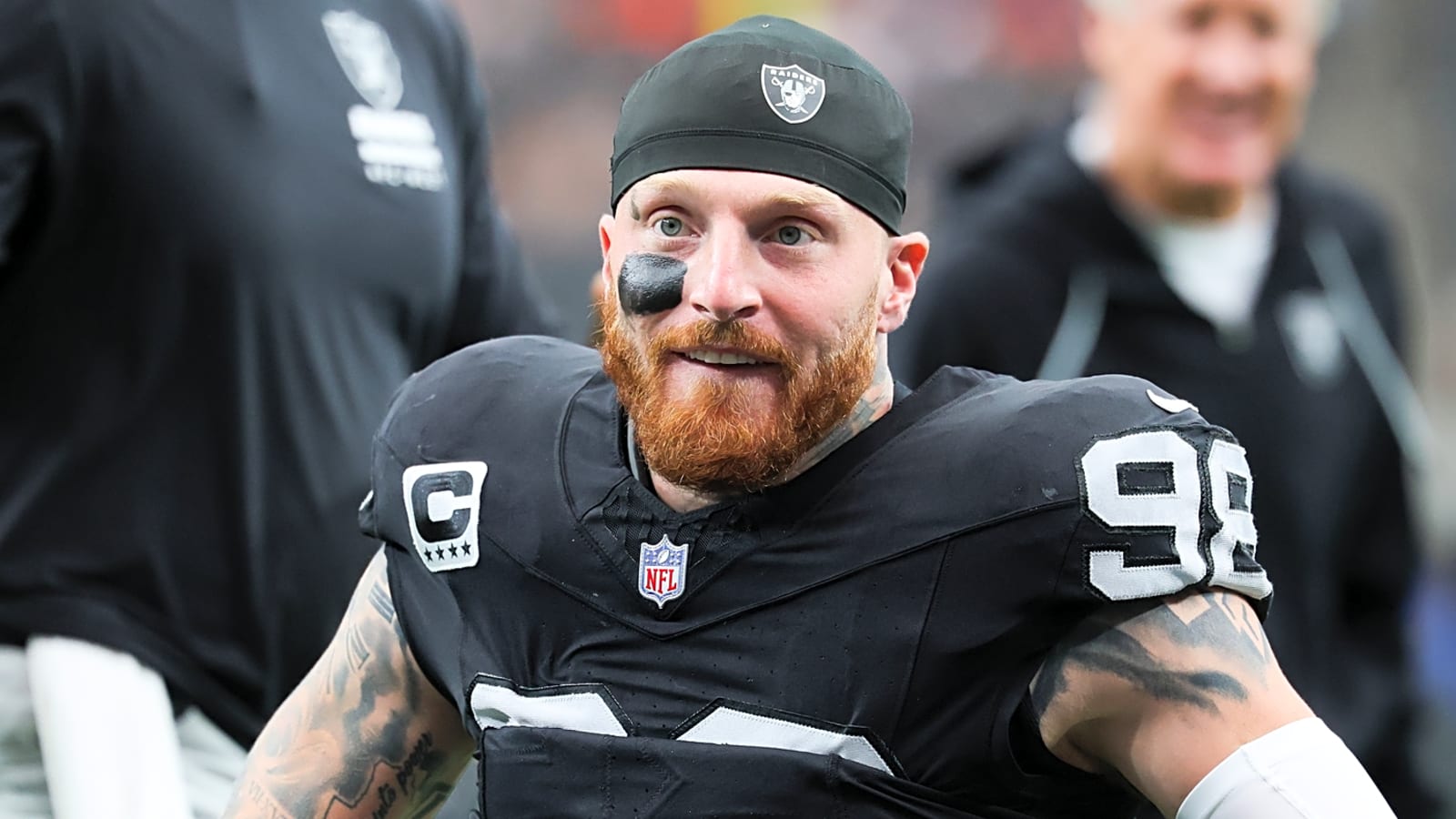
Trading multiple first-round picks for one player doesn't always work out in NFL
The Baltimore Ravens are making one of the first major blockbuster moves of the NFL offseason by acquiring superstar edge-rusher Maxx Crosby from the Las Vegas Raiders. The deal has already been agreed to but will not become official until the new league year begins this week.
When it does, it will be a massive addition to a defense that has been in desperate need of pass-rushing help for a couple of years now.
They are also paying a steep price to make it happen, sending two first-round picks (No. 14 overall in 2026 and their first-round selection in 2027) to the Raiders.
Given that the Ravens are expected to be Super Bowl contenders, and with the price they paid, it is pretty clear that expectations are going to be sky-high for what they should be able to accomplish with Crosby on the roster. A repeat of this past season's 8-9 record will not be acceptable. Anything short of deep playoff runs, and perhaps even a Super Bowl, will not be acceptable.
On paper, the addition looks sensible.
But history says it may not work out as planned.
Teams trading multiple first-round picks for players rarely win big
Trading multiple first-round picks for one player is an incredibly rare transaction in the NFL, though it has been becoming more common in recent years.
Since the early 1980s there have only been 18 instances of a player being traded for at least two first-round picks.
That list includes:
- Fredd Young
- Eric Dickerson
- Herschel Walker
- Jeff George
- Keyshawn Johnson
- Joey Galloway
- Ricky Williams
- Jay Cutler
- Khalil Mack
- Matthew Stafford
- Jalen Ramsey
- Laremy Tunsil
- Jamal Adams
- Deshaun Watson
- Russell Wilson
- Sauce Gardner
- Micah Parsons
- Maxx Crosby
Out of the 17 previous players prior to Crosby, only three of them played in and won a Super Bowl with their new team following the trade, and two of them (Stafford and Ramsey) did so as members of the same 2021 Los Angeles Rams team.
Johnson was the other, having won a Super Bowl with the 2002 Tampa Bay Buccaneers.
But what is perhaps most concerning here is that of the teams that traded away the picks to acquire the player, only five of them actually had a winning record with the new player on their roster.
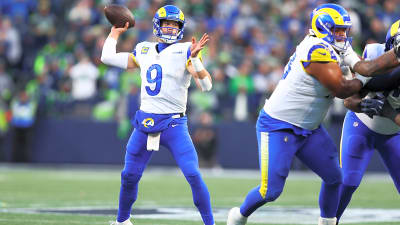
Stafford with the Rams (46-28), Johnson with the Buccaneers (38-26), Mack with the Chicago Bears (34-31), Adams with the Seattle Seahawks (37-30) and Parsons with the Green Bay Packers (9-7-1).
When it comes to the more recent trades, it is probably fair to write off the Wilson and Watson trades as failures for the Denver Broncos and Cleveland Browns respectively, while both of their trading partners (the Seahawks and Houston Texans) used the draft pick hauls to help build Super Bowl-contending rosters.
The jury is still very much out on the Parsons and Gardner trades since they happened within the past year, but the Colts did not win a single game after trading two first-round picks for Gardner.
The Packers' season was also ruined when Parsons went down with a season-ending injury.
In several cases, the team receiving the draft picks was able to use that bounty to build championship contending teams of its own.
The Dallas Cowboys turned the Herschel Walker trade into the foundation of their 1990s dynasty.
A significant part of the Seahawks' 2025 championship team was built through the Wilson trade. Sending Joey Galloway to Dallas in 2000 also brought the Seahawks the draft pick that landed them Shaun Alexander, who was a focal point of their 2005 team that reached Super Bowl XL.
The Broncos used their return for Cutler to help contribute to their 2013 and 2015 Super Bowl teams.
The Colts turned the Jeff George trade into Marvin Harrison, who went on to win a Super Bowl with them.
Draft picks are like gold in the NFL, and there is always going to be risk in trading multiple picks (especially future picks) for one player. It does not always work out because it severely impacts your ability to build out the roster around the player you are acquiring.
The team getting the picks still has to be smart with them and pick the right players.
The team getting the player has to be sure it is getting the right player who is the right fit. They rarely are.
More must-reads:
- Tom Brady reportedly played key role in Raiders trading Maxx Crosby to Ravens instead of Patriots
- Maxx Crosby breaks silence following Ravens trade news
- The 'NFL tackles-for-loss leaders' quiz
Breaking News
Trending News



Customize Your Newsletter
 +
+




Get the latest news and rumors, customized to your favorite sports and teams. Emailed daily. Always free!
PRIVACY POLICY COOKIE POLICY CONTACT US
ABOUT YARDBARKER TERMS OF SERVICE


By using this site, you agree to our Terms of Service and Privacy Policy.
This site is for entertainment purposes only.
There is no gambling offered on this site.
Gambling Problem? Call 1-800-Gambler.
