
-

-


Follow Us
-

 On Facebook
 On Flipboard
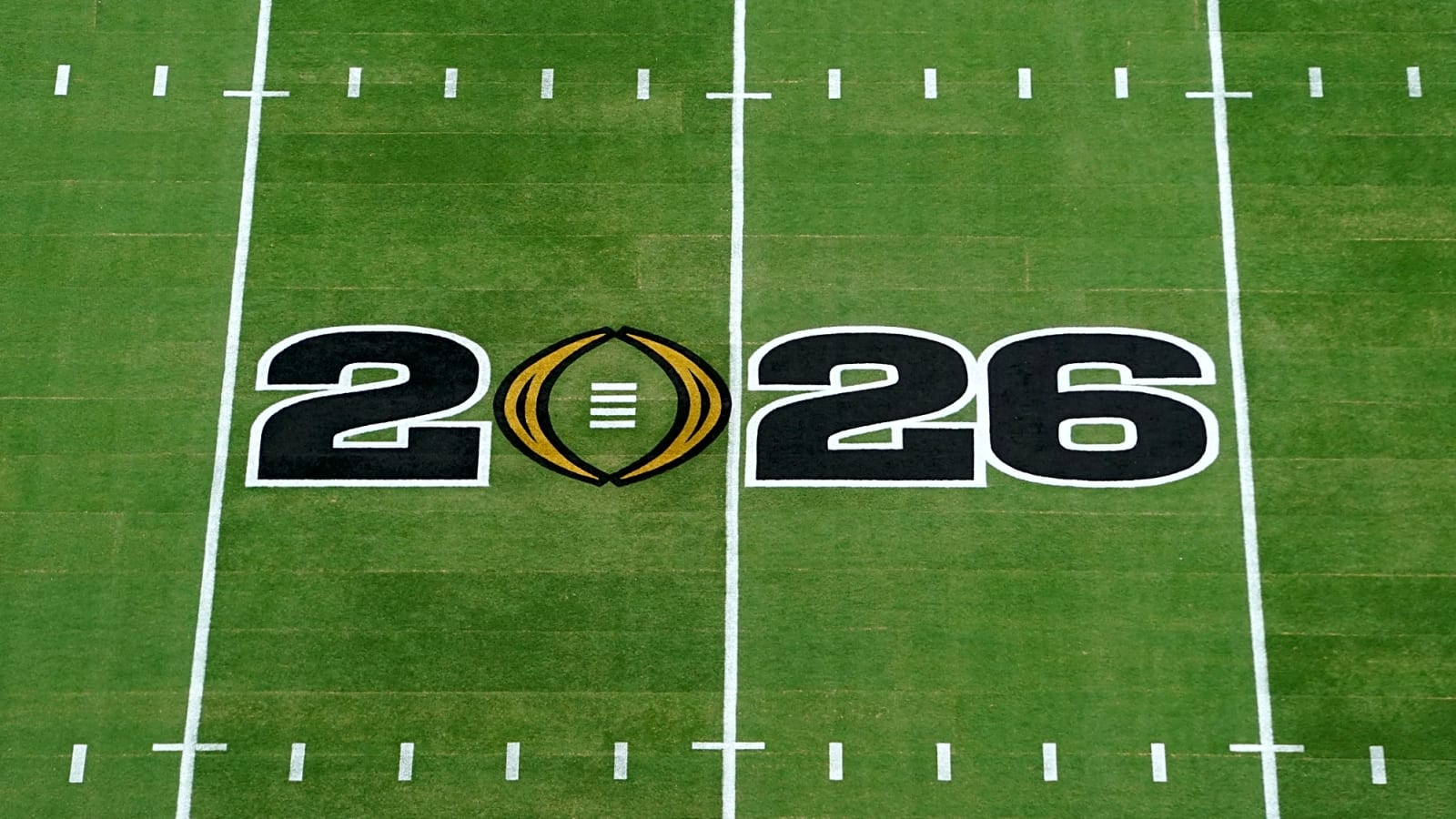
NIL and the transfer portal may have done the opposite of what everyone feared
When college football players were allowed to move from teams as much as they wanted and were allowed to be paid through NIL, the biggest fear for the public was that the sport would get more predictable.
The worry was that teams with the deepest NIL collectives would just buy every good recruit who became available, making the gap between top teams and middle-tier teams wider, meaning the same five or six programs would control the sport every year.
That isn't what has happened, at least for the upper tier of college football. Through the first seven weeks of the 2025 season, teams ranked in the AP Top 10 had already lost 14 games, tied for the most of any season in the past decade (CBS Sports). This goes to show the opposite of concentration dominance has happened.
A more competitive college football landscape?
Coaches inside traditional powers have noticed the same shift. Tennessee head coach Josh Heupel told CBS Sports the change started with the transfer portal, then NIL, pointing to how easily a team can now acquire a player who can change it. That description works in both directions: a top program poaching from a smaller program, but just as often a smaller program swooping up a player one of these top programs failed to develop or retain.
Indiana is the clearest example of this. The Hoosiers went from having the most losses in college football history to going 11-2 in 2024 and reaching their first College Football Playoff, to then having a historic 16-0 season where they won the national championship in 2025.
This breakthrough was built largely on transfer additions so they could have an instant turnaround, compared to just relying on traditional recruiting. SMU followed a very similar path, bringing in 56 transfers over the past three seasons to help produce two seasons with nine or more wins and a CFP appearance.
The parity argument has a real limit, and it isn't the one most initially feared. The gap hasn't closed between the Power Four and the Group of Six; if anything, it has widened. Of Group of Six players who earned first- or second-team all-conference honors last season and returned to college football in 2026, only 29.5 percent stayed with the team they played for (CBS Sports).
This shows that many of the good players on a Group of Six team will leave to go play for a Power Four team. Though that gap is something that hasn't been fixed, for the most part it feels like we are seeing a lot more competitive teams across the board on the Power Four level.
So, the honest version of the story isn't that NIL and the portal completely made college football an even playing field all around. Instead, the ceiling widened, benefiting programs that spend well and develop transfers, while the floor for programs outside the Power Four hasn't moved much. With all this, college football is truly starting to become a sport where it really is any given Saturday a team could lose.
More must-reads:
- Kids who will be playing on Sundays: Ohio State's Jeremiah Smith looks like future No. 1 pick in record-tying performance
- Update revealed on status of Oregon quarterback Dante Moore
- The 'College football color teams' quiz
Breaking News
Trending News







Customize Your Newsletter
 +
+




Get the latest news and rumors, customized to your favorite sports and teams. Emailed daily. Always free!
PRIVACY POLICY COOKIE POLICY CONTACT US
ABOUT YARDBARKER TERMS OF SERVICE


By using this site, you agree to our Terms of Service and Privacy Policy.
This site is for entertainment purposes only.
There is no gambling offered on this site.
Gambling Problem? Call 1-800-Gambler.
