-

-


Follow Us
-

 On Facebook
 On Flipboard

Subjective nature of pass interference impacts outcome of two Week 10 NFL games
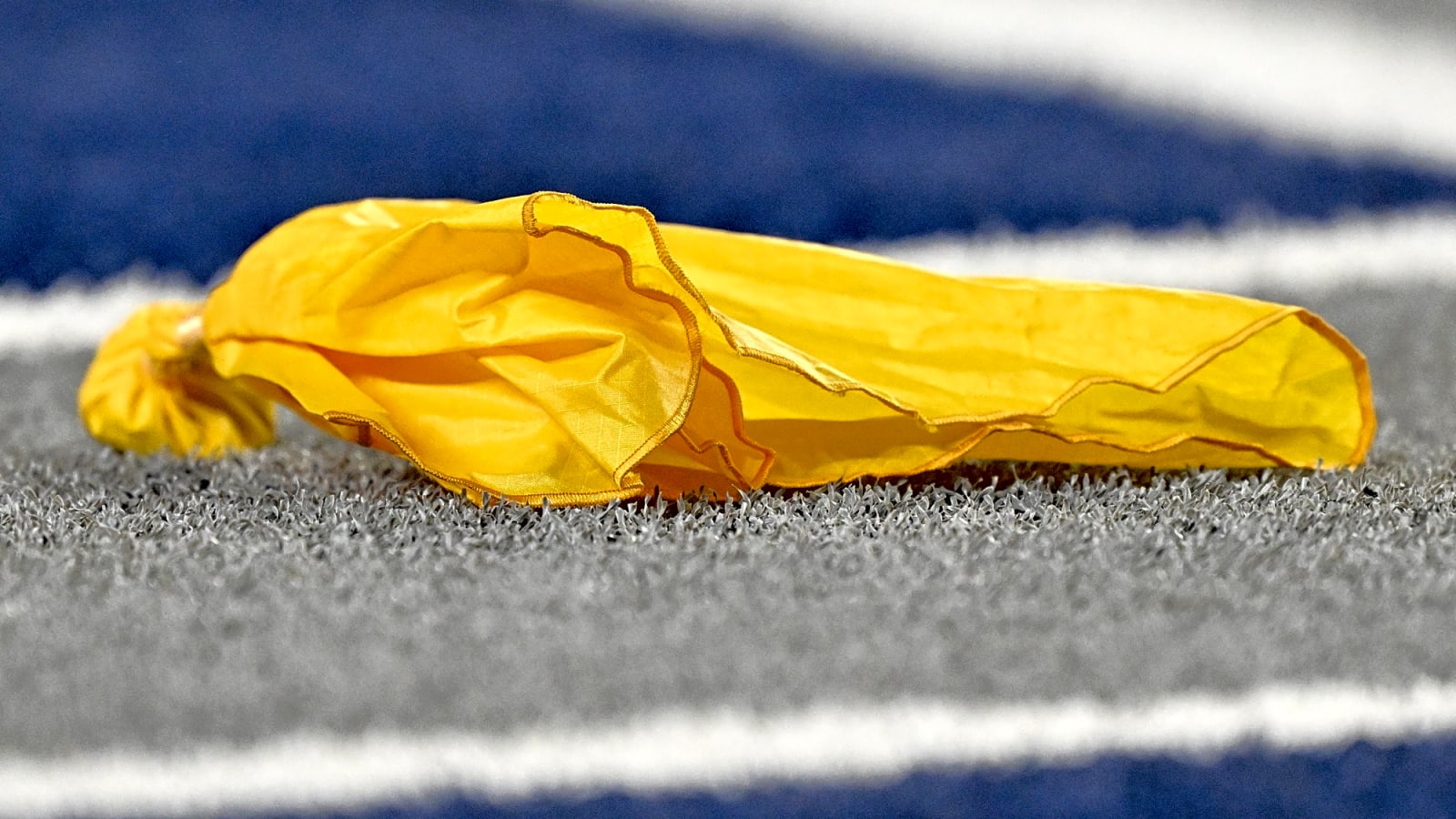
Pass interference can be one of the most damaging penalty calls in an NFL game. It's a spot foul, meaning it could end up being a 30-or 40-yard penalty (or more) depending on where the contact happens. It flips field position. It sets up scores. It can change games.
It can also be very subjective and very inconsistently applied given the moment.
We saw that play out in the closing seconds of two different NFL games on Sunday.
Pass interference call (and non-call) significantly impact NFL games
The Carolina Panthers secured a huge NFC South win over the New Orleans Saints , 20-17, with a walk-off field goal that was set up by a 30-yard pass interference penalty on defensive back Kool-Aid McKinstry.
Now the Saints get called for pass interference on an under thrown ball... Huge yardage gain for the Panthers on this call pic.twitter.com/lpQKrViZac
— Rate the Refs (@Rate_the_Refs) November 15, 2026
That moved the Panthers from their own 36-yard line all the way down to the New Orleans 34-yard line with less than 30 seconds to play in regulation. That immediately put them into field-goal range and set the stage for Ryan Fitzgerald to drill a 54-yard, walk-off field goal to win the game.
At just around the same time that was unfolding, the Cleveland Browns secured their 27-24 win over the Houston Texans, capping off a 17-point comeback to keep them in the driver's seat for an AFC wild-card spot.
That game ended, for all intents and purposes, on a desperation 4th-and-20 pass by C.J. Stroud that fell incomplete.
But as you can see on the replay, there is a ton of contact happening on the throw before the ball arrives, with Xavier Hutchinson being pulled down by his arm.
There was no penalty called. If there had been, the Texans would have been in field goal range with a chance to tie the game and potentially send it to overtime.
If nothing else, this simply highlights the subjectiveness of when this stuff actually gets called, and how meaningful it is when it does get called. Very similar plays, in very similar situations, ended up getting called completely different ways based on the different crews and what they saw.
The Houston play and the non-call there might be the more frustrating situation for football fans (and teams on the wrong end of it), because that play was basically a Hail Mary attempt in the closing seconds. There is virtually no chance pass interference will ever be called on one of those plays because officials do not want to feel responsible for one of their calls determining the outcome of the game. But by letting contact go, and turning the play into a lawless free-for-all, they are doing exactly what they do not want to be guilty of doing -- which is determining the outcome of the game.
There is no perfect solution for this, either. The NFL briefly experimented with making pass interference calls reviewable, but it turned out to be a wildly unpopular disaster that didn't make anybody happy. The only thing you can ask for is more consistency in the enforcement of the calls. Especially in the biggest moments.
More must-reads:
- Browns' latest fourth-quarter comeback enough to down Texans
- Cam Newton believes Panthers' real problem is bigger than Bryce Young
- The 'NFL RB TD-catch leaders' quiz
Breaking News
Trending News

Customize Your Newsletter
 +




Get the latest news and rumors, customized to your favorite sports and teams. Emailed daily. Always free!
PRIVACY POLICY COOKIE POLICY CONTACT US
ABOUT YARDBARKER TERMS OF SERVICE


By using this site, you agree to our Terms of Service and Privacy Policy.
This site is for entertainment purposes only.
There is no gambling offered on this site.
Gambling Problem? Call 1-800-Gambler.