
-

-


Follow Us
-

 On Facebook
 On Flipboard
 On Twitter
Inter President Beppe Marotta has explained how he first came to work in football as a teenager, and has explained how the sport has changed since he first began life as a director with his hometown team Varese over 50 years ago.
Marotta was a guest at the master’s degree ceremony for Sports Management students at the RCS Academy Business School in Milan, and gave an interview to Daniele Dallera of Corriere della Sera on the same day.
Marotta on his first steps in football and the sport’s unrecognisable changes
During his interview, published on Friday, Marotta explained how he first came to work as a director in football, explaining that he had the fortune of ‘growing up’ in and around his local side Varese, who had been in Serie A in the mid 1960s.
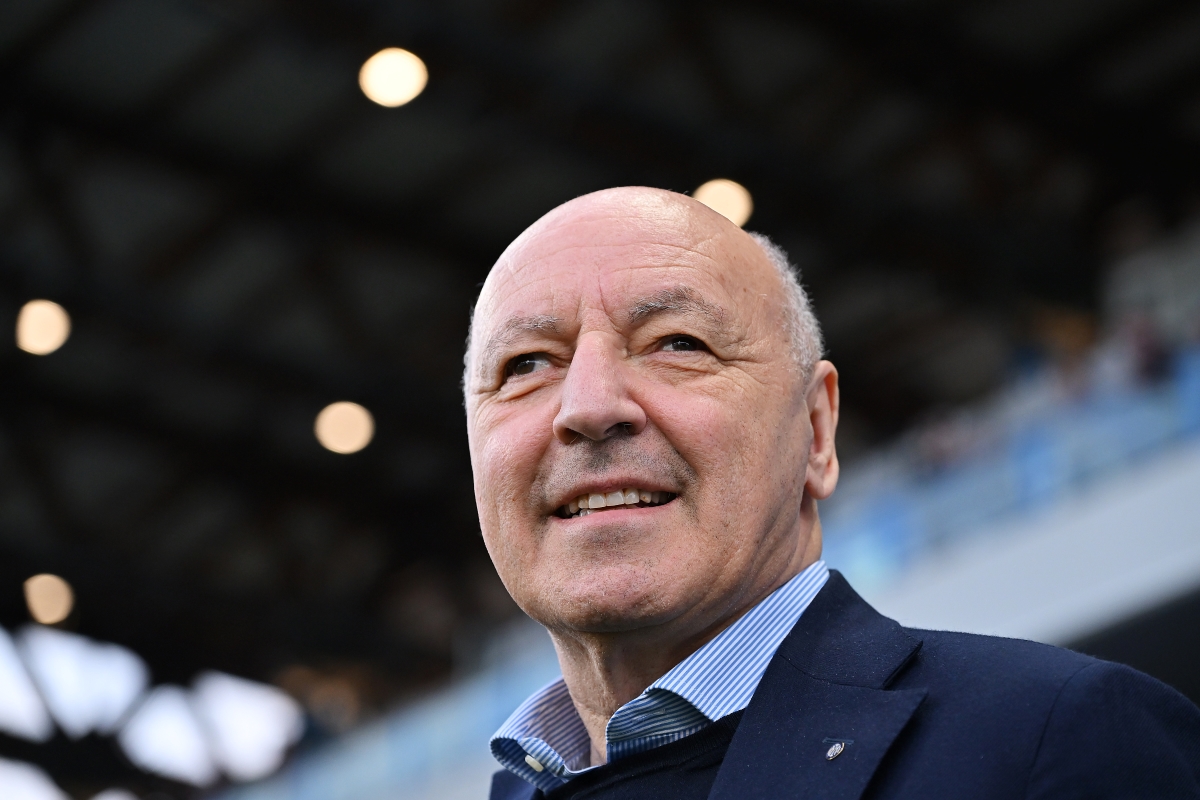
“I started at Varese in favourable circumstances. I lived near the stadium, I loved the passion. I was six or seven years old at the time and attended Varese’s training sessions, and they were playing in Serie A at the time,” Marotta explained (via La Gazzetta dello Sport).
“I learned about everything, I learned about negotiating. I spoke with the kitman and got myself a strip in exchange for cleaning the boots, pumping up the balls, helping to wash the shirts.
“I finished high school at 18 and got my first contract as a director. I never graduated (From university) because I started working so early. I was the director of the youth team by 19.”
Marotta went on to explain that his route into football is not replicable in his day and age given the amount of change that football has encountered since he first started working in the sport all those years ago.
“It was a very different sport compared to today’s, where we see these big companies listed on the stock exchange. Back then, they were simply sports clubs, run by the owner, who was usually a local entrepreneur.
“At Varese, Giovanni Borghi, who ran the company Ignis, decided to show his gratitude to the local community by taking over the city’s sports club. It was a multi-sport association. Varese beat Juve 5-1 in 1968, they won everything in Basketball with Dino Meneghin, (they had) internationally renowned cyclists, boxers.
“At the end of the season, the CFO was called in to calculate all the losses. Today, it’s completely different. Sport today could no longer exist like that. That model of ownership no longer exists.
“The clubs became limited companies, with different legal structures. There are criminal, civil and sporting laws to abide by. The structure of the organisation has also changed. Industrial and financial experts have come in.
“Before, it was only ever about the sporting goal, and that cost what it cost. Today, sustainability means respecting the financial aspect first. The passion is still there, though.”
More must-reads:
- Turkiye seals World Cup berth, sets up group-stage date with USMNT
- Tiger Woods stepping away from golf to 'seek treatment' in wake of DUI arrest
- The 'Active 30-point NBA games leaders' quiz
Breaking News
Trending News





Customize Your Newsletter
 +
+




Get the latest news and rumors, customized to your favorite sports and teams. Emailed daily. Always free!
PRIVACY POLICY COOKIE POLICY CONTACT US
ABOUT YARDBARKER TERMS OF SERVICE


By using this site, you agree to our Terms of Service and Privacy Policy.
This site is for entertainment purposes only.
There is no gambling offered on this site.
Gambling Problem? Call 1-800-Gambler.
