-

-


Follow Us
-

 On Facebook
 On Flipboard


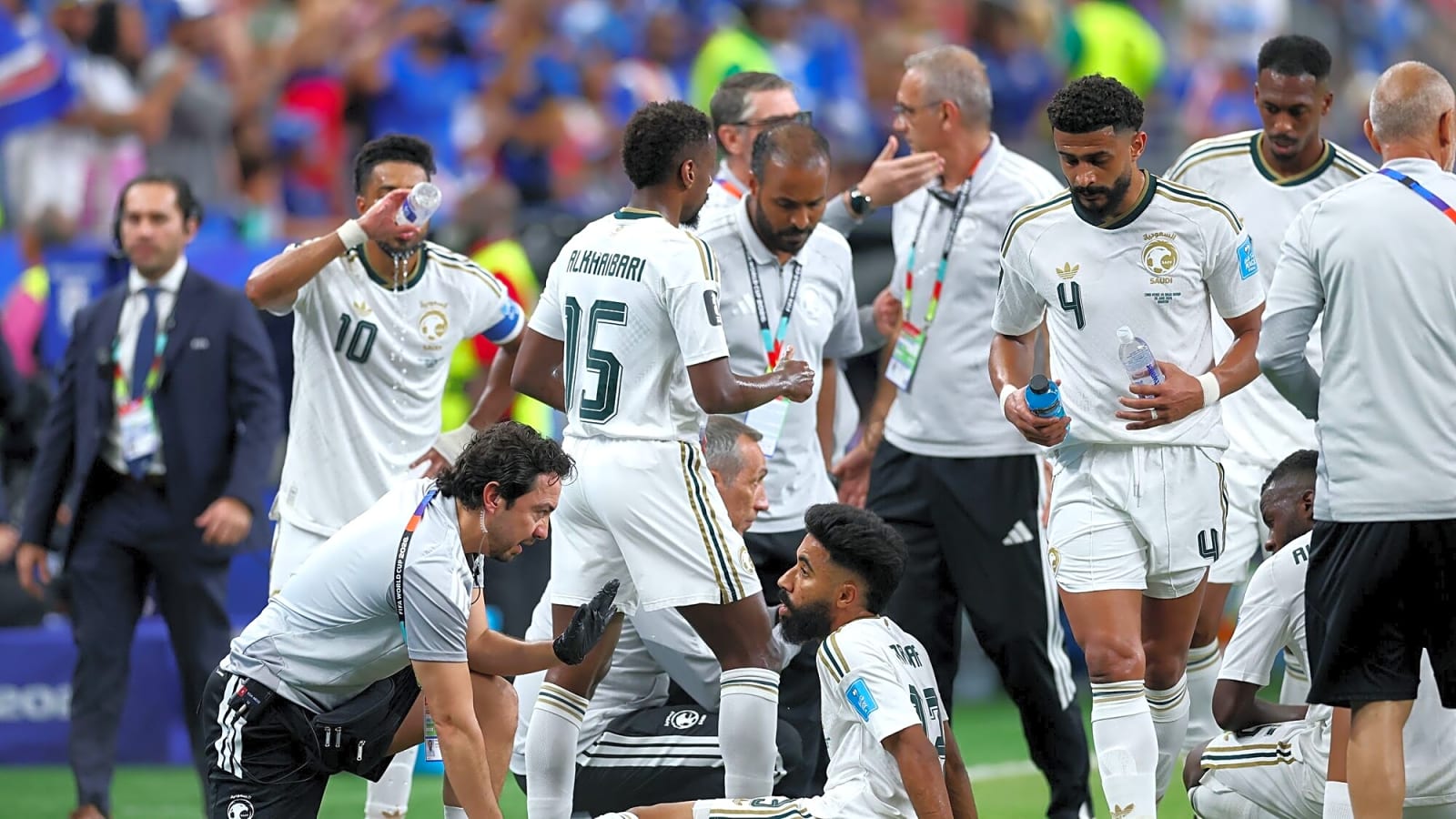
The positives from Saudi Arabia's matches against South Korea and Uzbekistan were not enough to mask a series of defensive problems that need addressing before moving on to the next stage.
Technical analyst Emad Al-Salmi picked out these shortcomings and urged the coaching staff to take them seriously. Some persisted even after changes were made, which suggests they aren't tied to specific names or a particular line-up.
Al-Salmi was speaking on "Rotana Sport with Waleed" after Saudi Arabia's 2-1 friendly defeat by Uzbekistan in Doha on Tuesday. His first concern was the risk of building from the back, specifically using the goalkeeper as an extra outfield player to play the ball out. The approach reflects the coach's ideas, he explained, but it has to suit the players' abilities. Otherwise it becomes a gamble that puts the goal in danger.
He said he had already warned goalkeeper Mohammed Al-Owais to be careful in such situations. A coach isn't obliged to stick with a particular style if he lacks the right tools to make it work, he added, and dropping it in that case would be a natural decision.
The biggest problem, though, is how easily opponents breach the centre of the team, a weakness South Korea and Uzbekistan both exposed. Al-Salmi discussed the roles of Nasser Al-Dawsari, Abdullah Al-Khaibari, Mohamed Kanno and Musab Al-Juwayr, pointing out that the spaces the midfielders leave let opponents reach dangerous areas and shoot without enough pressure on them.
Some players move out towards the flanks to press, he explained, leaving the centre exposed in front of the man on the ball. He questioned whether that comes down to poor positioning or to instructions on directed pressing. Either way, he stressed, the outcome is the same: the most dangerous space is left open. It happened again and again, and the coaching staff need to review how they press and cover space.
Al-Salmi also flagged poor defensive organisation against crosses. The problem surfaced against South Korea and returned against Uzbekistan, when one cross caused real danger before Abdulquddus Atiah stepped in to rescue the situation.
| سلبيات الأخضر في مباراتي نوفمبر
— روتانا سبورت مع وليد (@RotanaSport) November 17, 2026
عماد السالمي:
- الإصرار على البناء من الخلف
- سهولة اختراق عمق المنتخب
- مشاكل التعامل مع الكرات العرضية. #روتانا_سبورت_مع_وليد #السعودية_أوزبكستان pic.twitter.com/pdFZYBkJy5
The flaw isn't about one player, he insisted. It lies in the positioning and the collective handling of balls inside the box, and it needs clear work on the training ground rather than treating each incident as an isolated mistake.
Al-Salmi finished by stressing that highlighting the negatives doesn't mean downplaying the team's positives. The aim is to learn from the two matches and identify what needs improving. Fixing the recurring errors, whether in protecting the centre, dealing with crosses or building from the back, matters just as much as building on the positives, he said. Otherwise these gaps could become weaknesses for opponents to exploit in the upcoming fixtures.
More must-reads:
- Camp Cupcake to Country Roads: Mauricio Pochettino's best moments with the USMNT
- Mauricio Pochettino bids farewell to USMNT in classy message
- The 'NFL yards-from-scrimmage champs' quiz
Breaking News
Trending News






Customize Your Newsletter
 +




Get the latest news and rumors, customized to your favorite sports and teams. Emailed daily. Always free!
PRIVACY POLICY COOKIE POLICY CONTACT US
ABOUT YARDBARKER TERMS OF SERVICE


By using this site, you agree to our Terms of Service and Privacy Policy.
This site is for entertainment purposes only.
There is no gambling offered on this site.
Gambling Problem? Call 1-800-Gambler.